Quote · Added 17 February 2026
I came, I saw, I conquered
No ratings yet
Filed undervictory·action·determination
Quote · Added 17 February 2026
Filed undervictory·action·determination
We love this phrase because it makes success sound simple and inevitable—just show up, observe, and win. But there's something we often miss: Caesar's real genius wasn't the conquering part. It was already knowing what he'd find when he got there. He didn't wander into Gaul hoping for the best. He came with a plan, studied the situation, and only then moved.
Most of us flip this around. We conquer before we've really looked. We charge into conversations, projects, or decisions convinced we already understand what's happening, when we're actually just seeing surface level. The quiet part of Caesar's formula is the "I saw"—the noticing, the assessment, the moment of standing still.
What makes this quote linger after two thousand years isn't the victory. It's the sequence itself. It suggests that success isn't about being the loudest or pushing hardest. It's about arriving prepared, taking the time to actually understand what you're dealing with, and only then acting. In a world that constantly pushes us to move fast and figure it out later, that middle step—really seeing—has become genuinely radical.
d. 44
Julius Caesar was a prominent Roman general and statesman who played a critical role in the events that led to the collapse of the Roman Republic and the rise of the Roman Empire. He is best known for his military conquests, political reforms, and his assassination in 44 BC, which further transformed the political landscape of ancient Rome.
Also by Julius Caesar
I love the name of honor, more than I fear death.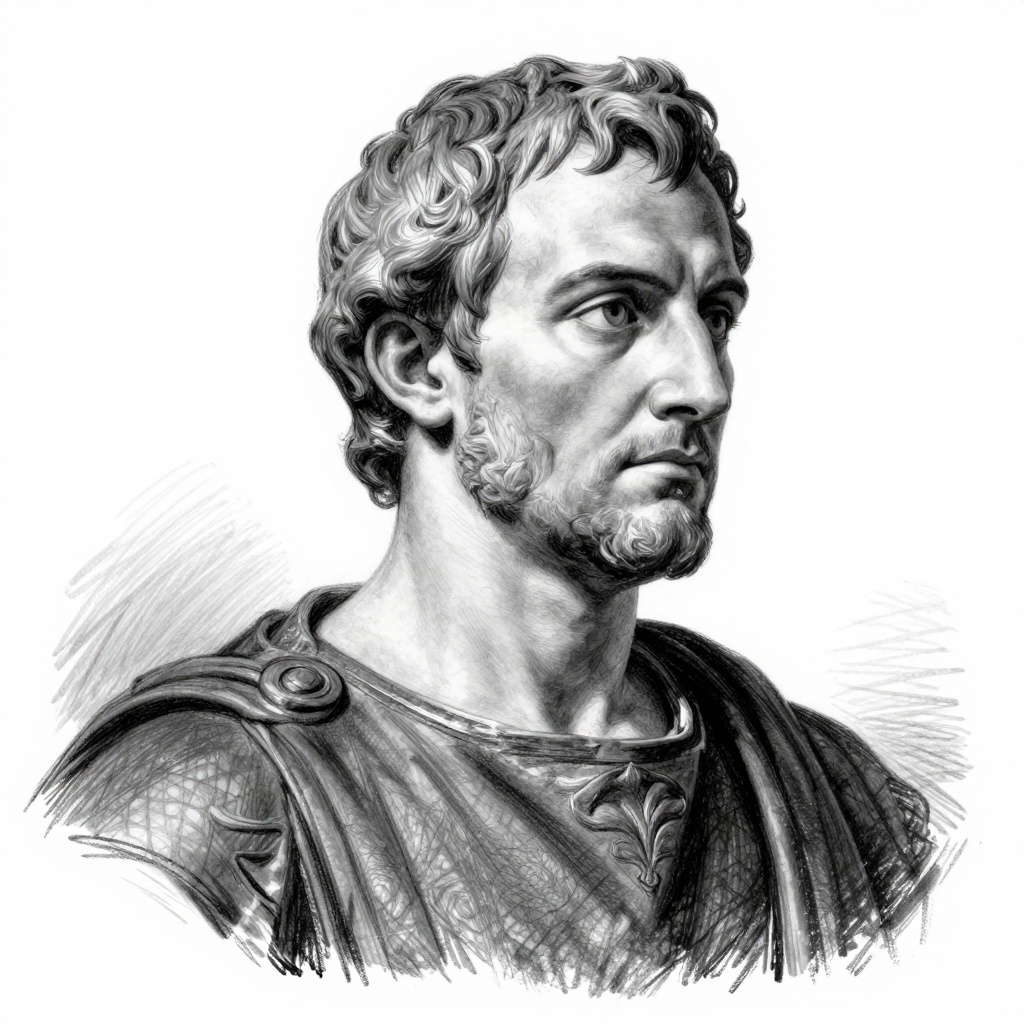
Comments