Quote · Added 14 February 2026
Justice is the foremost virtue of the civilizing races. It subdues the barbarous nations, while injustice arouses the weakest.
Jose RizalThe Indolence of the Filipino, 1890
No ratings yet
Quote · Added 14 February 2026
We're drawn to this quote because it captures something we sense intuitively: that fairness matters in ways that go beyond individual feelings. When systems treat people justly, communities actually function better. Unjust systems crumble or breed conflict. This isn't about being nice—it's practical. A workplace where promotions are rigged falls apart in ways that undermine everyone. A society where laws apply differently based on who you are loses legitimacy and stability.
But there's a less obvious angle buried here. Rizal suggests that injustice doesn't just weaken the powerful—it actually empowers the powerless. When people have nothing to lose because the game is rigged against them anyway, they stop playing by the rules. This is why regimes built on obvious corruption or arbitrary cruelty eventually face rebellion, sometimes from unexpected directions. Injustice creates desperation, and desperate people are unpredictable.
The harder truth is that justice requires constant work. It's not the default state of things. Every institution naturally drifts toward protecting insiders and justifying existing arrangements. The virtue Rizal describes isn't passive or automatic—it's something communities have to choose, again and again, even when it's inconvenient.
1861–1896·lived 35 years
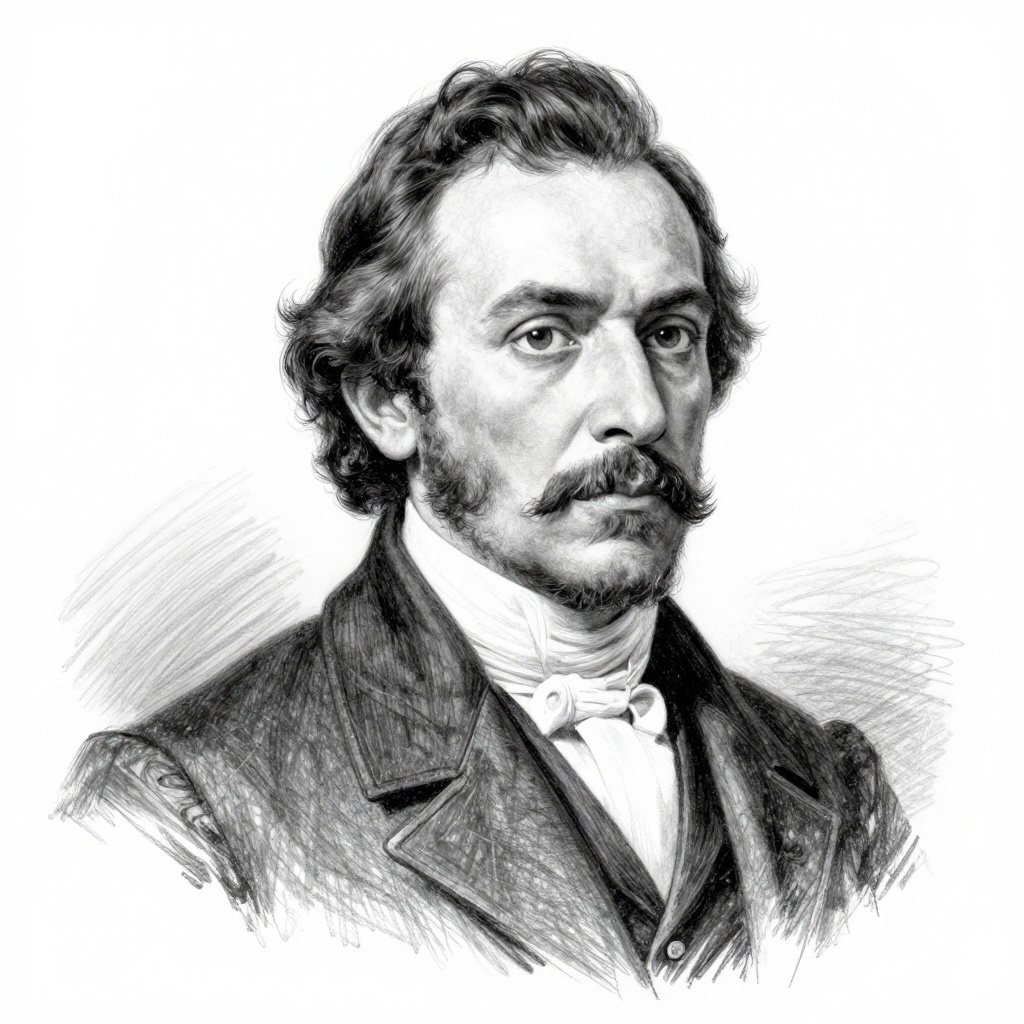
Jose Rizal was a Filipino nationalist, revolutionary, and writer born on June 19, 1861. He is best known for his critical works against Spanish colonial rule, particularly his novels "Noli Me Tangere" and "El Filibusterismo," which inspired the Philippine Revolution. Rizal's advocacy for reform and education made him a key figure in the fight for Philippine independence, ultimately leading to his execution by the Spanish in 1896.
Comments