Quote · Added 16 February 2026
Do all the good you can, by all the means you can, in all the ways you can, in all the places you can, at all the times you can, to all the people you can, as long as ever you can.
Filed undergood·kindness·perseverance
Quote · Added 16 February 2026
Filed undergood·kindness·perseverance
There's something almost overwhelming about this quote at first—it sounds like a job description for a saint, not something for regular people juggling work, family, and exhaustion. But what Wesley is really capturing is something simpler: the idea that goodness doesn't require perfection or grand gestures. It's about using what you actually have, right now, in whatever small way is available to you.
The genius part is that he removes the excuse of waiting for the ideal moment. You can't volunteer at a soup kitchen today? You can still listen to a friend on the phone. You can't donate money? You can hold a door or offer directions. The repetition of "all the... all the... all the" isn't meant to paralyze you—it's meant to free you from the myth that kindness only counts when it's convenient or impressive. It counts when it's Tuesday morning and you have fifteen minutes before work.
What often goes unspoken is that this approach actually makes life better for you too. Small acts of goodness compound into a kind of momentum. They remind you that you're capable of mattering to someone, even when the world feels too big to fix. You stop waiting for permission to be the kind of person you want to be.
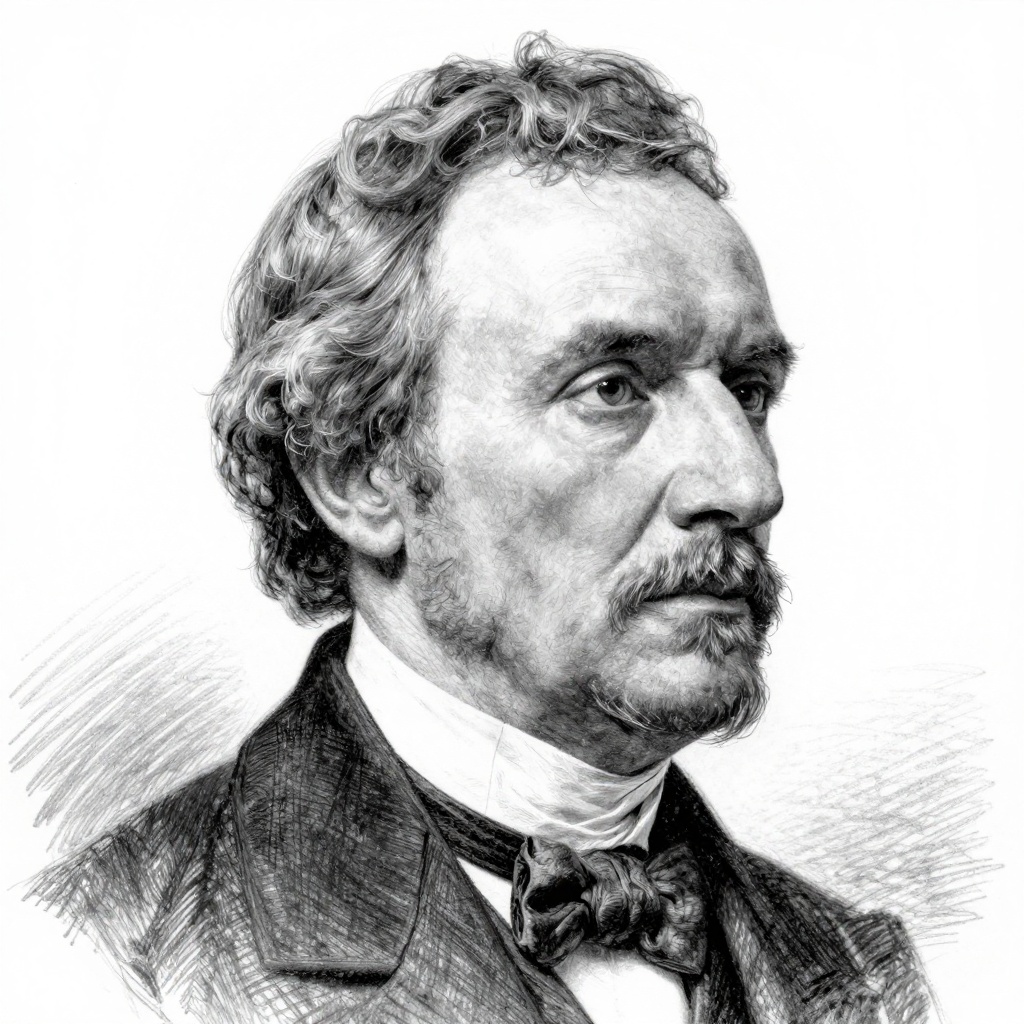
1703–1791·lived 87 years
John Wesley (1703-1791) was an English cleric, theologian, and evangelist who played a pivotal role in the founding of the Methodist movement within the Anglican Church. Known for his emphasis on personal faith, social justice, and methodical practices in spiritual discipline, Wesley's teachings and organizational efforts led to the establishment of a distinct Methodist denomination, which continues to influence Christianity today.
Comments