Quote · Added 14 February 2026
Money never stays with me. It would burn me if it did. I throw it out of my hands as soon as possible, lest it should find its way into my heart.
Filed undermoney·freedom·detachment
Quote · Added 14 February 2026
Filed undermoney·freedom·detachment
There's something counterintuitive here that modern life desperately needs. Wesley isn't saying money is evil—he's saying holding onto it too tightly warps you. That the real danger isn't spending, it's the creeping attachment that happens when you start believing your security depends on accumulation. Most of us feel this tension without naming it: the anxiety that comes from watching a bank balance, the way financial stress seeps into every decision, how easily money can become the thing we optimize our entire lives around.
The practical insight is that Wesley's "throwing it out" doesn't mean recklessness. It means using money deliberately, moving it toward actual needs and people, rather than letting it pool where it creates anxiety or entitlement. In our current economy of late-night doom-scrolling about retirement funds and status symbols, this reads almost radical. We're taught that holding tight is wisdom, that accumulation is the point. But there's a real psychological difference between having money and being owned by it.
What's worth sitting with: the idea that money's power over you isn't in whether you have a lot or a little, but in how much emotional weight you've loaded onto it. Some people are trapped by abundance; others are freed by spending consciously. The variable isn't the amount—it's the grip.
1703–1791·lived 87 years
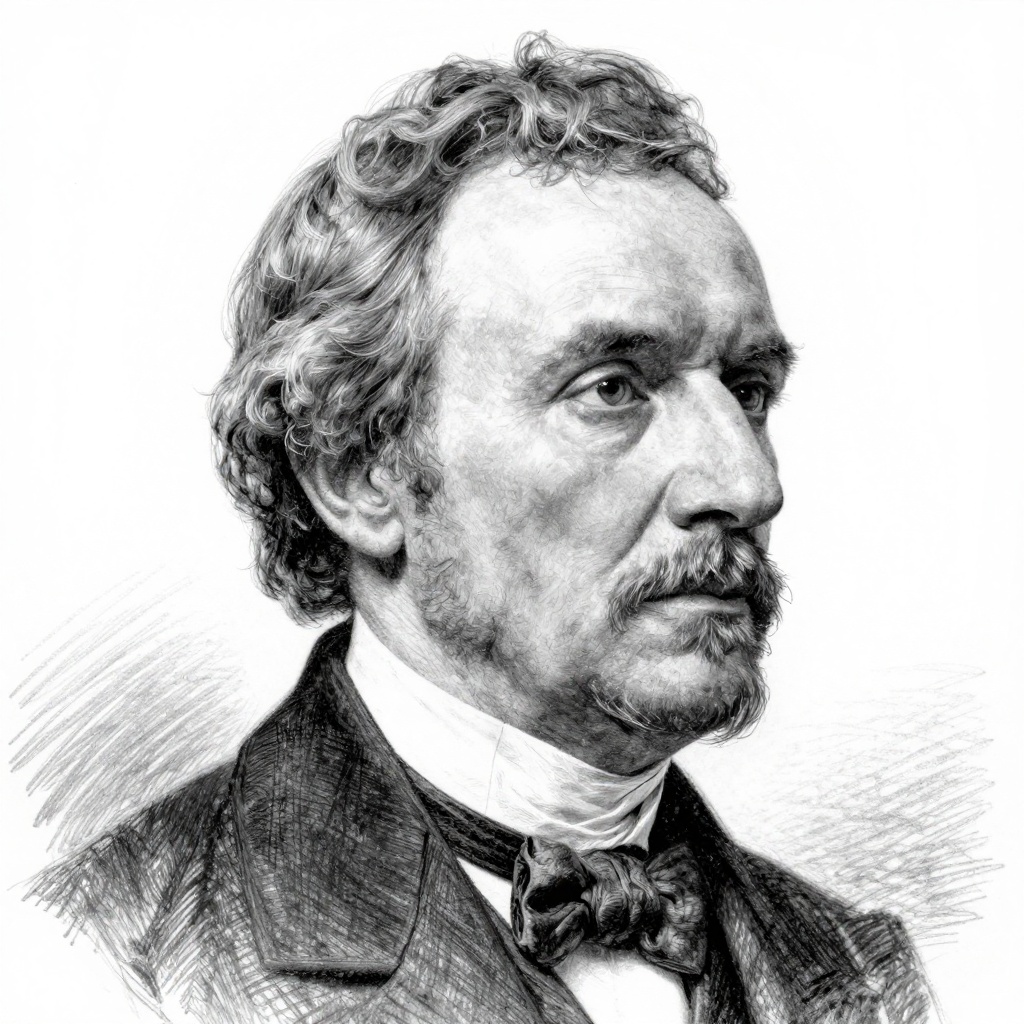
John Wesley (1703-1791) was an English cleric, theologian, and evangelist who played a pivotal role in the founding of the Methodist movement within the Anglican Church. Known for his emphasis on personal faith, social justice, and methodical practices in spiritual discipline, Wesley's teachings and organizational efforts led to the establishment of a distinct Methodist denomination, which continues to influence Christianity today.
Comments