Quote · Added 24 March 2026
Reading
AI generatedThe Exhaustion We Stop Naming
There's something almost radical about how tired we've all become—not from hard work exactly, but from the constant hum of being "on." Our nervous systems are stuck in overdrive, processing notifications and expectations and the weight of maintaining a version of ourselves for the world. When Muir noticed people flooding toward the mountains, he was watching something real: a recognition that our actual home isn't the place where we sleep, but somewhere wilder.
The insight that gets overlooked is that the mountains aren't really calling us away from civilization so much as toward something we've forgotten we need. It's not escapism, exactly. It's remembering. When you're on a trail with nothing but your own pace and breath, you're not rejecting your life—you're touching base with the part of you that existed before you became "civilized" into anxiety and performance. Your body knows it.
What makes this quote sting today is that we're more over-civilized than ever, yet somehow less willing to admit we're exhausted by it. We're skeptical of simple solutions. But Muir isn't promising that mountains will fix you. He's just noting the stubborn fact that thousands of people keep discovering the same thing: sometimes home is a place where you can finally stop trying so hard.
The author
All 8 quotes by John Muir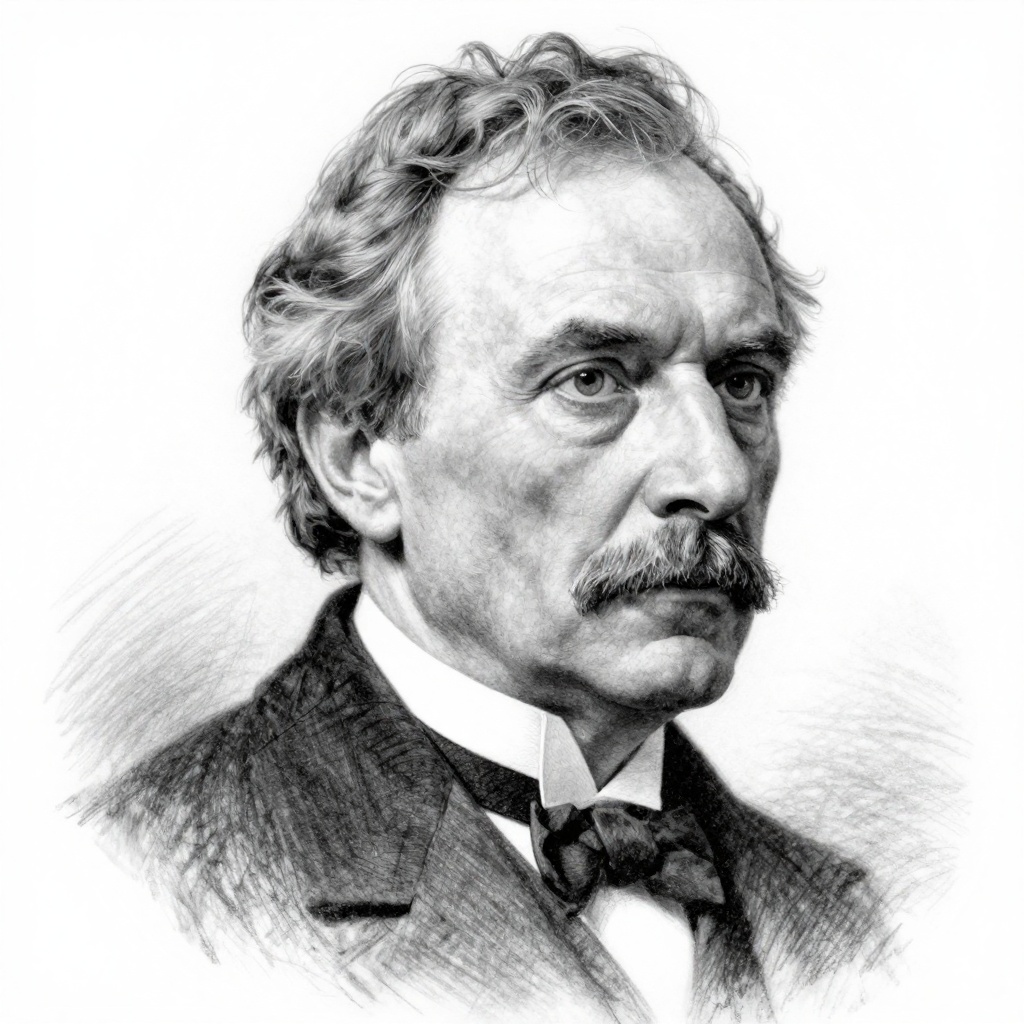
John Muir
1838–1914·lived 76 years
John Muir was a Scottish-American naturalist, author, and environmental philosopher known as the "Father of the National Parks." He was instrumental in the establishment of the national parks system in the United States and advocated for the preservation of wilderness areas and the protection of natural resources. His writings on nature and conservation continue to inspire environmentalists and nature lovers.
Also by John Muir
The clearest way into the Universe is through a forest wilderness.
Comments