Quote · Added 20 March 2026
The clearest way into the Universe is through a forest wilderness.
Filed underuniverse·nature·exploration
Quote · Added 20 March 2026
Filed underuniverse·nature·exploration
There's something almost backwards about this idea until you spend time sitting still in nature. Most of us think we understand the universe through science—through telescopes and textbooks and screens. But Muir points at something real: when you're actually in a forest, away from the noise and urgency of regular life, something shifts. The complexity you see—how trees compete for light, how an ecosystem holds itself together through countless interdependencies—mirrors the way galaxies organize themselves, the way atoms relate to each other. You're not learning facts so much as glimpsing how systems actually work.
The deeper angle here is about attention itself. A forest teaches you to observe carefully, to notice relationships, to sit with not-knowing. That mode of thinking is closer to how we actually make sense of reality than we usually admit. Your scattered, distracted mind won't crack the universe open. But the mind that can follow a single stream, watch the light move through leaves, notice what eats what—that's the mind that starts to feel less separate from everything else. Wilderness isn't an escape from understanding; it's where understanding naturally happens.
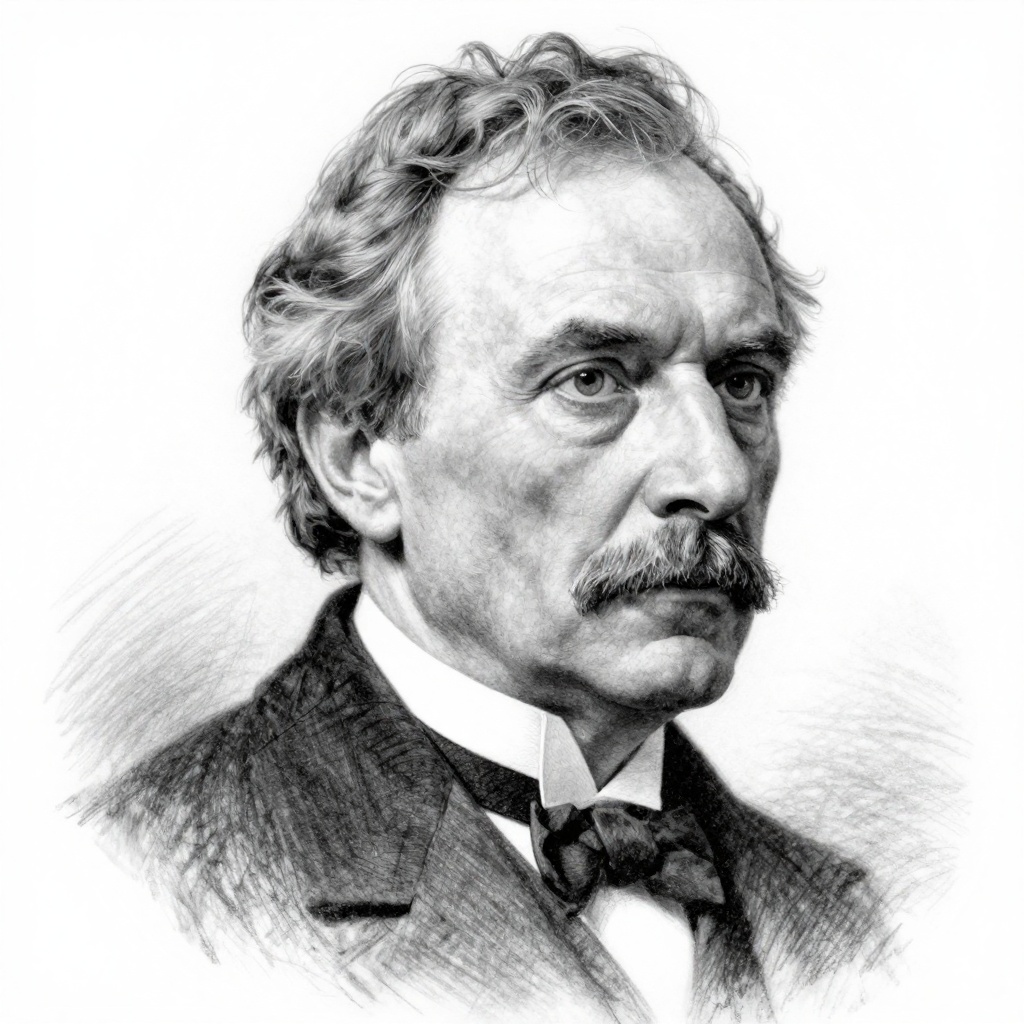
1838–1914·lived 76 years
John Muir was a Scottish-American naturalist, author, and environmental philosopher known as the "Father of the National Parks." He was instrumental in the establishment of the national parks system in the United States and advocated for the preservation of wilderness areas and the protection of natural resources. His writings on nature and conservation continue to inspire environmentalists and nature lovers.
Comments