Quote · Added 16 March 2026
I only went out for a walk and finally concluded to stay out till sundown, for going out, I found, was really going in.
Filed underwalk·introspection·nature
Quote · Added 16 March 2026
Filed underwalk·introspection·nature
There's something quietly revolutionary about Muir's realization here. Most of us think of "going out" as escape—leaving the house, leaving our problems, leaving ourselves. But what he discovered on that walk was the opposite: stepping into nature wasn't running away from his inner life, it was running toward it. The forest wasn't a distraction; it was a mirror.
We still chase this feeling today, except we usually get it wrong. We plan elaborate vacations or download meditation apps, treating peace like a destination we have to earn. But Muir's point is simpler and stranger: sometimes the deepest journey inward happens when you stop trying to go anywhere at all. You just walk. You notice how light hits water, how your breathing slows, what thoughts bubble up when there's nothing demanding your attention. The "going in" wasn't introspection in the traditional sense—sitting alone with your demons. It was the opposite of performative self-work. It was attention, plain and simple.
The real insight for us might be that we've outsourced wonder to Instagram and self-improvement. But the kind of going inward Muir found doesn't require a perfect hike or the right wilderness. It requires something much cheaper and harder: just showing up, without agenda, for long enough that the walk changes you instead of you trying to change it.
1838–1914·lived 76 years
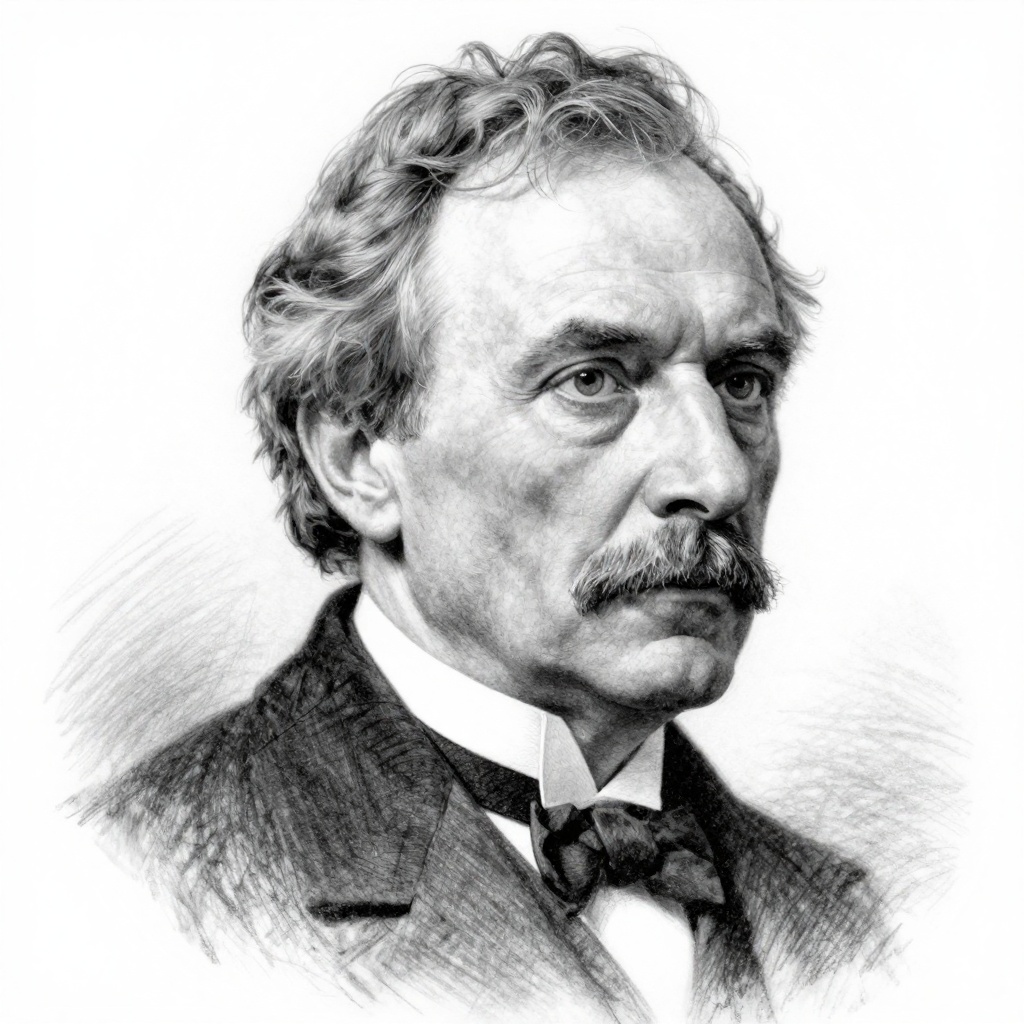
John Muir was a Scottish-American naturalist, author, and environmental philosopher known as the "Father of the National Parks." He was instrumental in the establishment of the national parks system in the United States and advocated for the preservation of wilderness areas and the protection of natural resources. His writings on nature and conservation continue to inspire environmentalists and nature lovers.
Comments