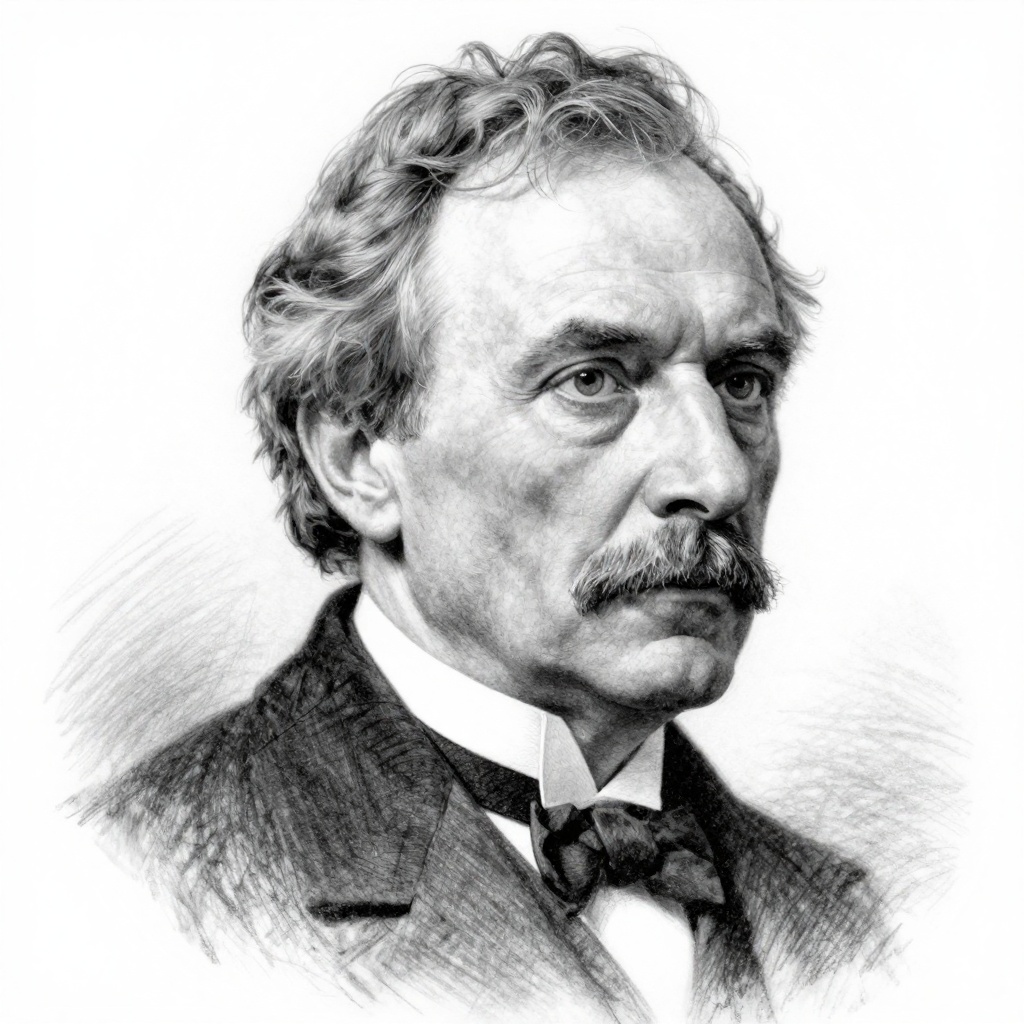
I am losing precious days. I am degenerating into a machine for making money. I am learning nothing in this tr... — John Muir

I am losing precious days. I am degenerating into a machine for making money. I am learning nothing in this trivial world of men. I must break away and get out into the mountains to learn the news.

Author: John Muir

Insight: There's something quietly urgent in Muir's complaint that still hits home. Most of us know that feeling—the slow realization that we've become efficient at things that don't actually matter to us. The calendar fills up with meetings, emails, and obligations, and somewhere along the way, you forget what you were curious about. It's not that work is inherently hollow, but that it's easy to let it expand until it crowds out everything else. What's interesting is that Muir doesn't blame money itself for being evil. He's honest: it's the machine-like quality that kills him. The part where you stop choosing and just keep moving. The mountains, for him, weren't just a vacation spot—they were where he could think clearly again, notice things, actually learn. These days, we might swap "mountains" for whatever genuinely engages us: a hobby, a person, a place, a question we've been postponing. The real insight is that this isn't about needing more free time. It's recognizing when you've drifted so far into the routine that you barely recognize yourself. The "news" Muir wanted to learn—about beauty, his own capacity for wonder, how things actually work—doesn't require quitting everything. It just requires noticing when you've stopped being a person and started being a process.

Source: The Wilderness World of John Muir, p. 245, 1970

When efficiency replaces curiosity

I am losing precious days. I am degenerating into a machine for making money. I am learning nothing in this trivial world of men. I must break away and get out into the mountains to learn the news.

John MuirThe Wilderness World of John Muir, p. 245, 1970

There's something quietly urgent in Muir's complaint that still hits home. Most of us know that feeling—the slow realization that we've become efficient at things that don't actually matter to us. The calendar fills up with meetings, emails, and obligations, and somewhere along the way, you forget what you were curious about. It's not that work is inherently hollow, but that it's easy to let it expand until it crowds out everything else.

What's interesting is that Muir doesn't blame money itself for being evil. He's honest: it's the machine-like quality that kills him. The part where you stop choosing and just keep moving. The mountains, for him, weren't just a vacation spot—they were where he could think clearly again, notice things, actually learn. These days, we might swap "mountains" for whatever genuinely engages us: a hobby, a person, a place, a question we've been postponing.

The real insight is that this isn't about needing more free time. It's recognizing when you've drifted so far into the routine that you barely recognize yourself. The "news" Muir wanted to learn—about beauty, his own capacity for wonder, how things actually work—doesn't require quitting everything. It just requires noticing when you've stopped being a person and started being a process.

AI generated

Comments

Sign in to leave a comment or reply to one.

Sign in

John Muir

John Muir was a Scottish-American naturalist, author, and environmental philosopher known as the "Father of the National Parks." He was instrumental in the establishment of the national parks system in the United States and advocated for the preservation of wilderness areas and the protection of natural resources. His writings on nature and conservation continue to inspire environmentalists and nature lovers.

Graph

Related