Quote · Added 12 February 2026
Parents forgive their children least readily for the faults they themselves instilled in them.
John LockeOf Parental Power, 1690
Filed underparents·forgiveness·responsibility
Quote · Added 12 February 2026
Filed underparents·forgiveness·responsibility
There's something almost uncomfortable about recognizing your own worst habits in your kid—and then getting furious about it. A parent who struggles with impatience snaps at their child for being impatient. Someone who avoids difficult conversations gets angry when their teenager shuts down. The irony stings because you're not just seeing a flaw; you're seeing a mirror, and that mirror is uncomfortably bright.
Part of what makes this so volatile is that these inherited traits feel less like innocent mistakes and more like betrayals of what you wanted to pass down. You didn't intend to teach them anxiety or defensiveness—it seeped through anyway, in a thousand small moments. So when they display it, the anger isn't really about the behavior itself. It's about confronting your own limitations as a parent, your own unfinished business, your own imperfections made flesh in another person.
The quieter realization is that forgiveness here means something harder than just letting it go. It means accepting that parenting isn't about creating a perfect version of yourself, but about two imperfect people figuring things out together. The faults you see in them are often the exact faults that could, eventually, teach you something about yourself.
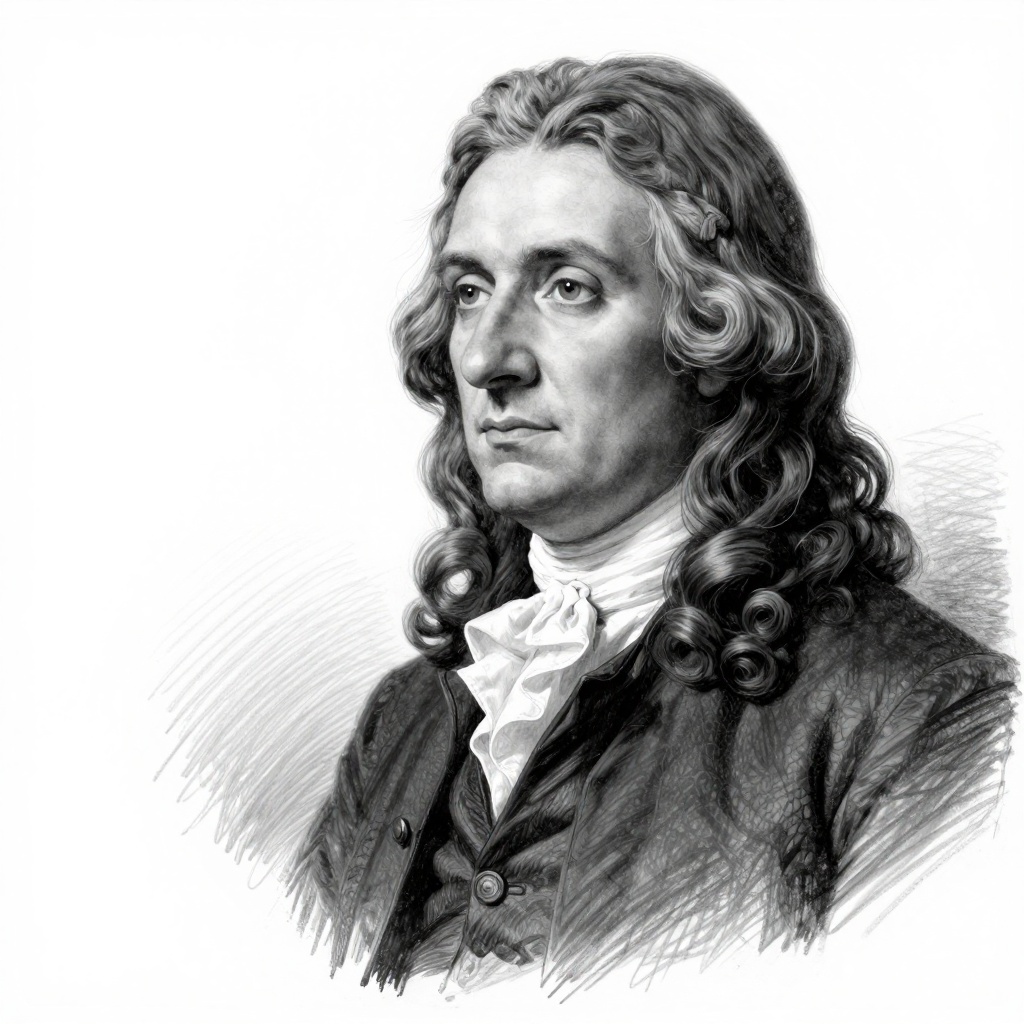
1632–1704·lived 72 years
John Locke (1632–1704) was an English philosopher and physician known as the "Father of Liberalism." He is renowned for his contributions to political theory, particularly his ideas on natural rights, social contract, and the concept of tabula rasa, which posits that individuals are born with a blank slate and shaped by their experiences.
Comments