Quote · Added 15 February 2026
Reading
AI generatedBeauty is already everywhere waiting
We live in a world that's pretty good at telling us to ignore beauty. There's always something urgent demanding attention—a notification, a worry, a deadline. But Calvin's observation cuts against that: the small things are actually designed to hit us with joy. A shaft of sunlight through leaves, the particular shade of rust on a fence, the specific green of moss after rain. These aren't accidents or distractions from what matters. They're part of the point.
The tricky part is that this idea requires a kind of permission we rarely give ourselves. Notice that blade of grass? That's not being productive. That color? You could be doing something useful instead. But what if the opposite is true—what if stopping to actually see things is part of what we're here for? Not as a luxury for people with free time, but as something closer to necessity. The world keeps offering these small jolts of beauty whether we're paying attention or not. The question is whether we'll actually accept what's being given.
The author
All 2 quotes by John Calvin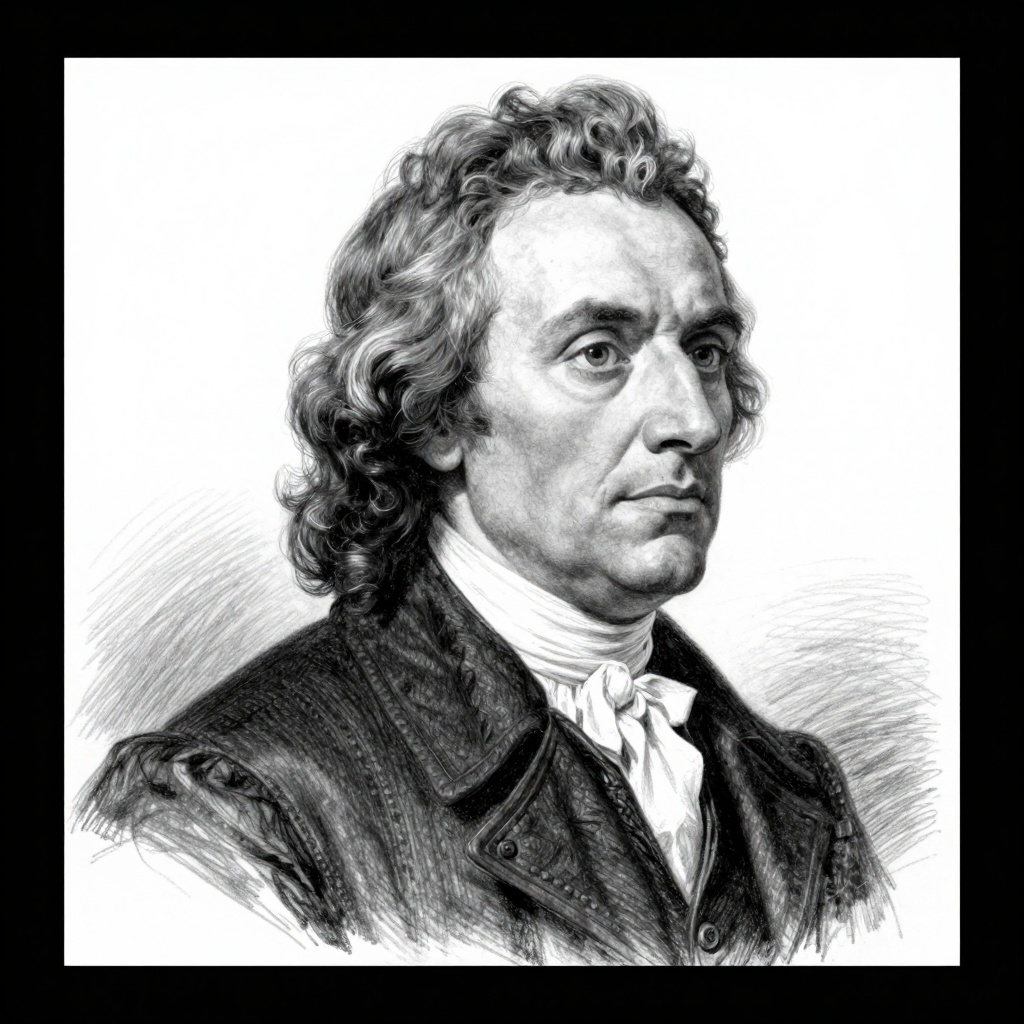
John Calvin
1509–1564·lived 54 years
John Calvin was a French theologian and pastor during the Protestant Reformation, born on July 10, 1509, in Noyon, France. He is best known for his influential doctrine of predestination and his role in the development of Calvinism, a major branch of Protestantism that emphasizes the sovereignty of God and the authority of Scripture. Calvin's most significant work, "Institutes of the Christian Religion," laid the foundation for Reformed theology and had a profound impact on Christian thought and practice.
Comments