Quote · Added 14 February 2026
A dog barks when his master is attacked. I would be a coward if I saw that God's truth is attacked and yet would remain silent.
John CalvinInstitutes of the Christian Religion, Book 4, ed, 2014
Quote · Added 14 February 2026
There's something useful here that has nothing to do with religion specifically. Calvin is describing a kind of loyalty reflex—the idea that silence in the face of something you believe matters is itself a choice, and often a shameful one. We recognize this instinct: when someone we care about is being misrepresented, we feel compelled to speak up. When we see something genuinely unfair happening, staying quiet creates an uncomfortable tension in us.
The tricky part is that most of us live in a world where we're constantly deciding what's worth that cost. Speaking up at work about a bad decision might damage a relationship. Correcting a friend's factual mistake might make dinner awkward. We tell ourselves we're being diplomatic, but sometimes we're just being comfortable. Calvin's point cuts through that—he's saying that neutrality on something you actually believe in is a form of dishonesty, even if it's the easier path.
What makes this relevant now is that we're drowning in low-stakes things demanding our outrage, which makes it harder to recognize when something might actually matter enough to risk discomfort. The challenge isn't always finding the courage to bark. It's figuring out what's actually worth barking about.
1509–1564·lived 54 years
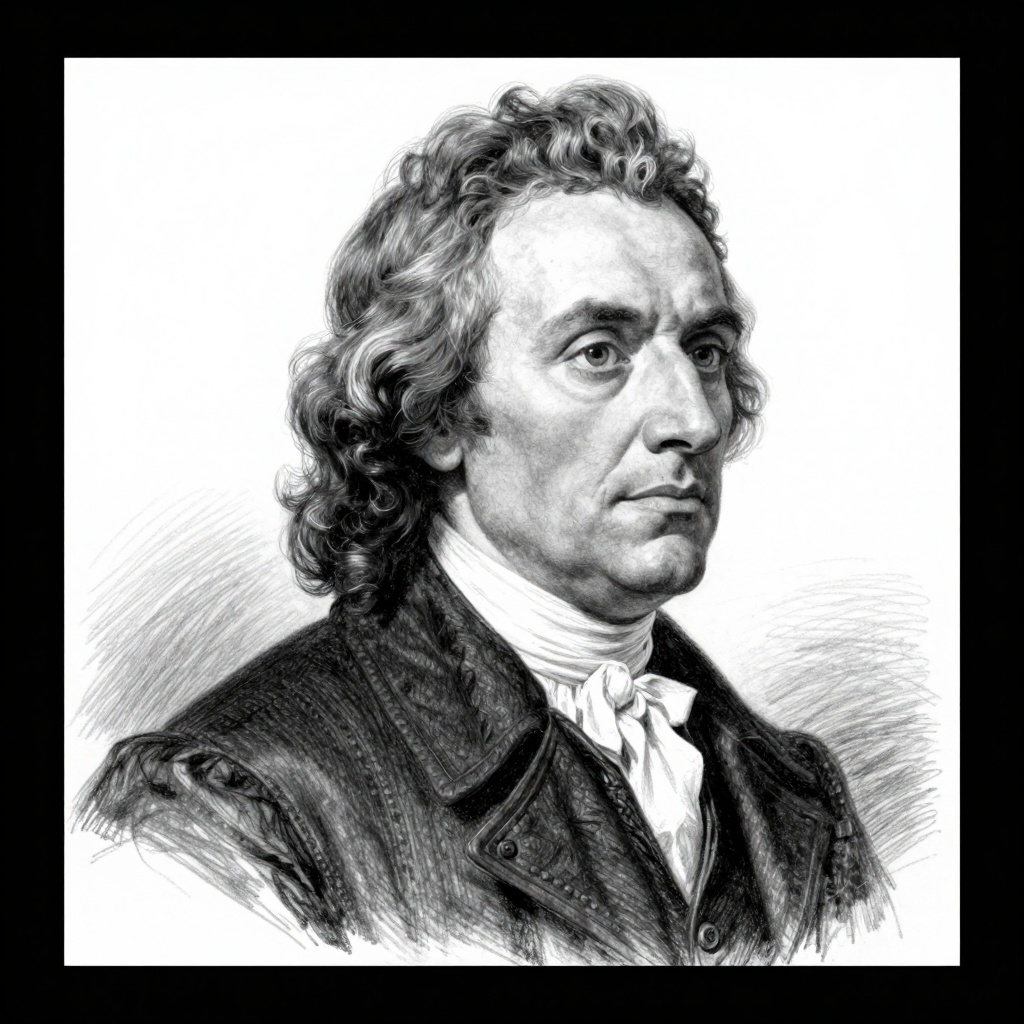
John Calvin was a French theologian and pastor during the Protestant Reformation, born on July 10, 1509, in Noyon, France. He is best known for his influential doctrine of predestination and his role in the development of Calvinism, a major branch of Protestantism that emphasizes the sovereignty of God and the authority of Scripture. Calvin's most significant work, "Institutes of the Christian Religion," laid the foundation for Reformed theology and had a profound impact on Christian thought and practice.
Comments