Quote · Added 14 February 2026
Old minds are like old horses; you must exercise them if you wish to keep them in working order.
John AdamsLooking Toward Sunset : From Sources Old and New, Original and Selected, p. 431, 1865
No ratings yet
Quote · Added 14 February 2026
There's something bracing about this image—a mind isn't a museum piece to be preserved unchanged, but a muscle that atrophies without use. We know this intuitively when we take a long break from something we were good at: a language we studied, an instrument we played, a skill we mastered. The rust is real. Yet somewhere between youth and old age, many people seem to shift into a mode of mental coasting, as if curiosity is supposed to wind down naturally, like a clock.
The hidden challenge in this isn't just about staying sharp—it's about resisting the cultural permission to stop. There's an unspoken agreement that older people get to be settled in their views, comfortable with what they know. But Adams is suggesting something more stubborn: that the very act of staying engaged with new ideas, problems, and questions is what keeps your mind actually yours. Not nostalgia or reminiscence, but real exercise. Learning something hard. Arguing about something you care about. Sitting with uncertainty instead of retreating to certainty.
The practical payoff extends beyond just mental clarity. People who keep their minds active don't just think better—they tend to stay more alive to their own lives, less trapped in repetition. It's less about adding years and more about adding texture to the ones you have.
1735–1826·lived 90 years
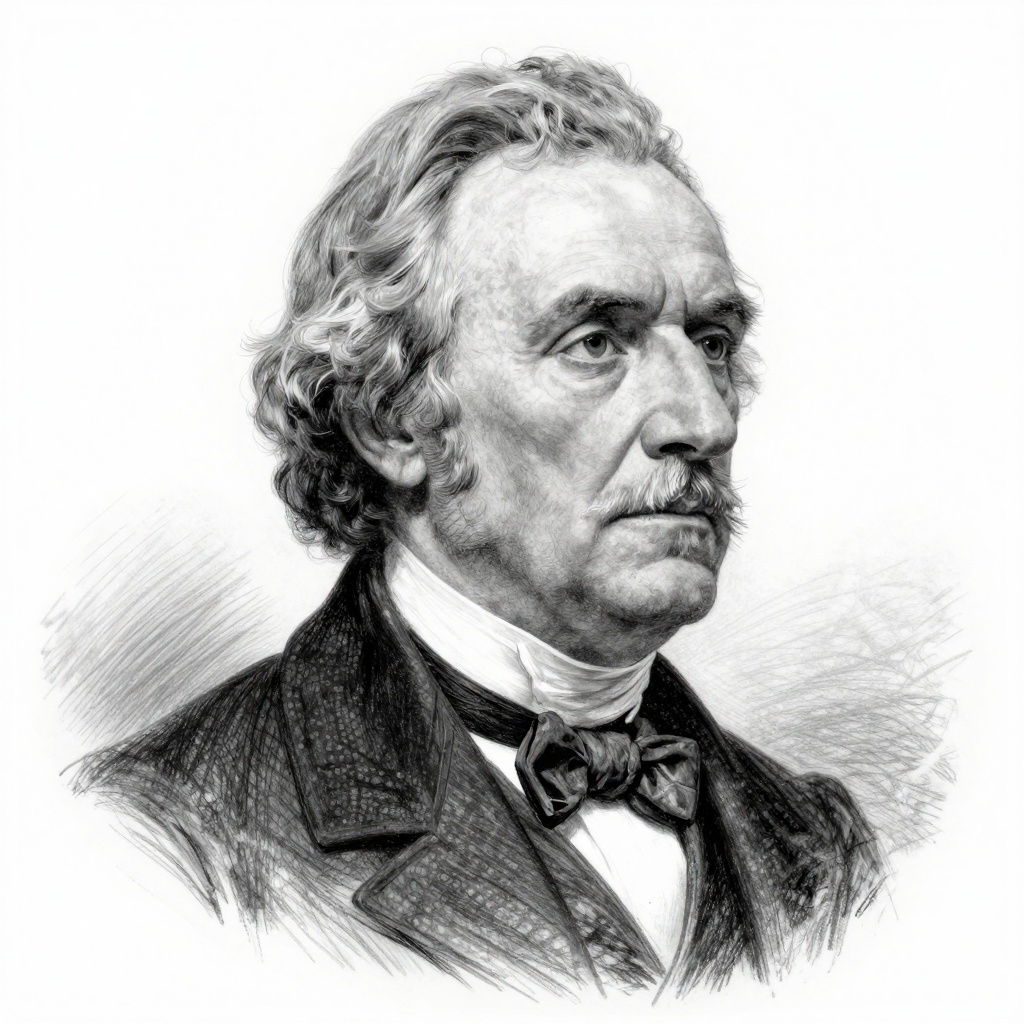
John Adams was the second President of the United States, serving from 1797 to 1801. He was a key figure in the American Revolution and played a crucial role in drafting the Declaration of Independence. Adams is known for his dedication to independence and his commitment to building a strong foundation for the new nation.
Comments