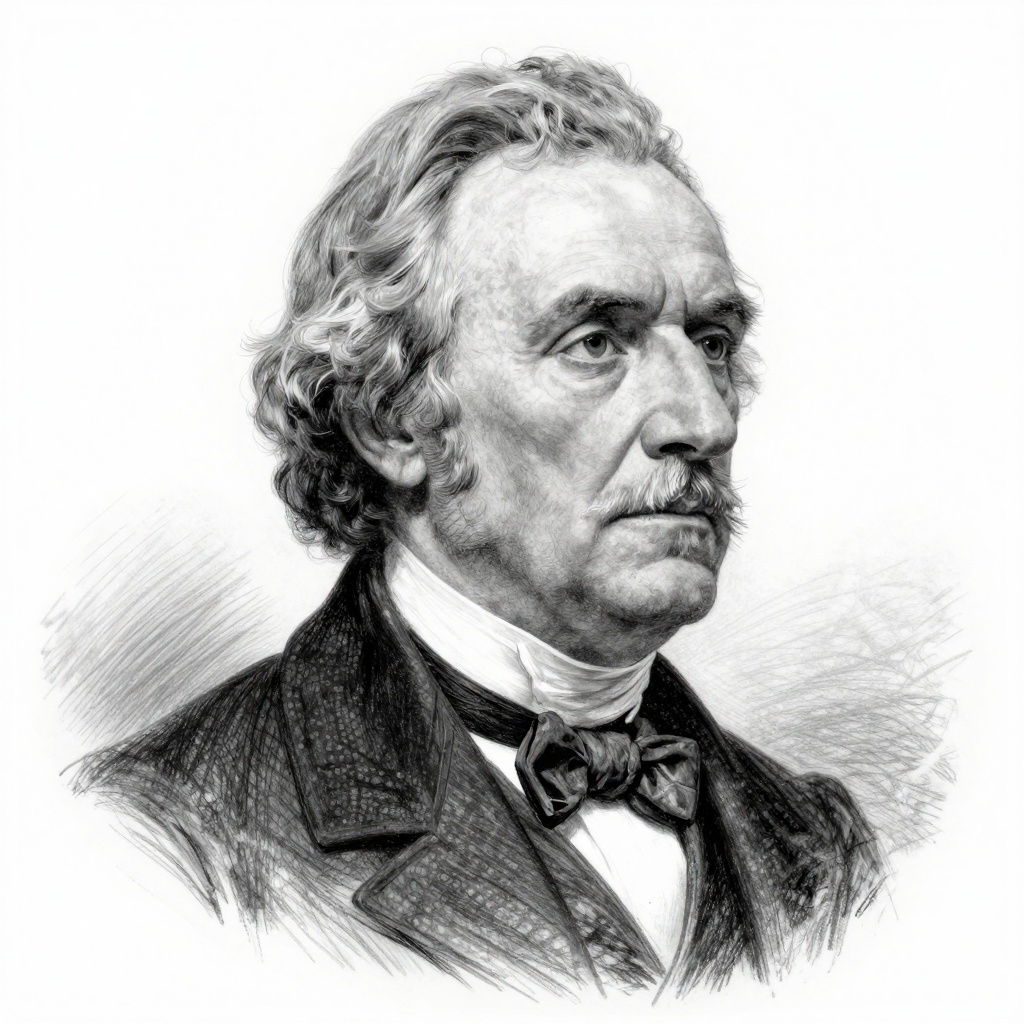
All the perplexities, confusion and distress in America arise, not from defects in their Constitution or Confe... — John Adams

All the perplexities, confusion and distress in America arise, not from defects in their Constitution or Confederation, not from want of honor or virtue, so much as from the downright ignorance of the nature of coin, credit and circulation.

Author: John Adams

Insight: Money anxiety runs deep in most of us, yet we rarely stop to examine what money actually is. Adams was onto something important: when people don't understand how currency and credit really work, they make decisions based on fear or guesswork instead of reality. You see this everywhere—someone panics about inflation but couldn't explain what causes it, or people feel mysteriously poor while their income is stable, simply because they don't grasp how credit shapes their actual buying power. The modern version of Adams's observation is that financial literacy gaps create massive rifts in society. When people don't understand how credit works, they either avoid it entirely (missing wealth-building opportunities) or stumble into predatory loans. When they don't grasp inflation or how banks function, they blame the wrong culprits for their problems and support policies that don't actually help them. What's striking is that Adams thought this was the root of America's biggest problems—not moral failure or bad rules, but simple ignorance. That's oddly hopeful: many of our frustrations might not require revolutionary change, just clearer thinking. The gap between where we are and where we could be might be smaller than we assume, if we bothered to understand the actual mechanics of how money moves through our lives.

Understanding money changes everything

All the perplexities, confusion and distress in America arise, not from defects in their Constitution or Confederation, not from want of honor or virtue, so much as from the downright ignorance of the nature of coin, credit and circulation.

Money anxiety runs deep in most of us, yet we rarely stop to examine what money actually is. Adams was onto something important: when people don't understand how currency and credit really work, they make decisions based on fear or guesswork instead of reality. You see this everywhere—someone panics about inflation but couldn't explain what causes it, or people feel mysteriously poor while their income is stable, simply because they don't grasp how credit shapes their actual buying power.

The modern version of Adams's observation is that financial literacy gaps create massive rifts in society. When people don't understand how credit works, they either avoid it entirely (missing wealth-building opportunities) or stumble into predatory loans. When they don't grasp inflation or how banks function, they blame the wrong culprits for their problems and support policies that don't actually help them.

What's striking is that Adams thought this was the root of America's biggest problems—not moral failure or bad rules, but simple ignorance. That's oddly hopeful: many of our frustrations might not require revolutionary change, just clearer thinking. The gap between where we are and where we could be might be smaller than we assume, if we bothered to understand the actual mechanics of how money moves through our lives.

AI generated

Comments

Sign in to leave a comment or reply to one.

Sign in

John Adams

John Adams was the second President of the United States, serving from 1797 to 1801. He was a key figure in the American Revolution and played a crucial role in drafting the Declaration of Independence. Adams is known for his dedication to independence and his commitment to building a strong foundation for the new nation.

Graph

Related