Quote · Added 14 February 2026
Because power corrupts, society's demands for moral authority and character increase as the importance of the position increases.
John AdamsI'll Vote for That, Huffington Post, January 22, 2015
No ratings yet
Quote · Added 14 February 2026
We see this principle playing out constantly—the higher someone climbs, the more we scrutinize their personal life and past choices. A local business owner might get away with ethical shortcuts that would destroy a politician's career, or a mid-level manager's conflict of interest might be forgiven while a CEO's identical move triggers investigations. There's an intuitive logic to this: the more people affected by your decisions, the more their safety and wellbeing depend on you not being corrupted by your position.
But here's the tricky part—we often apply this standard unevenly or too late. We're quick to demand character from others once they reach power, yet we often put people into positions of influence without properly vetting them first. It's like insisting a bridge builder have perfect credentials only after the bridge is built. The uncomfortable truth Adams hints at is that power doesn't create corruption so much as reveal it. The person who cuts corners in a small role doesn't magically develop integrity once promoted.
This matters because it suggests we should care more about character before someone gains influence, not just after they've already disappointed us. And maybe it should make us humble about our own small spheres of influence too—the habits we develop when no one's watching tend to follow us upward.
1735–1826·lived 90 years
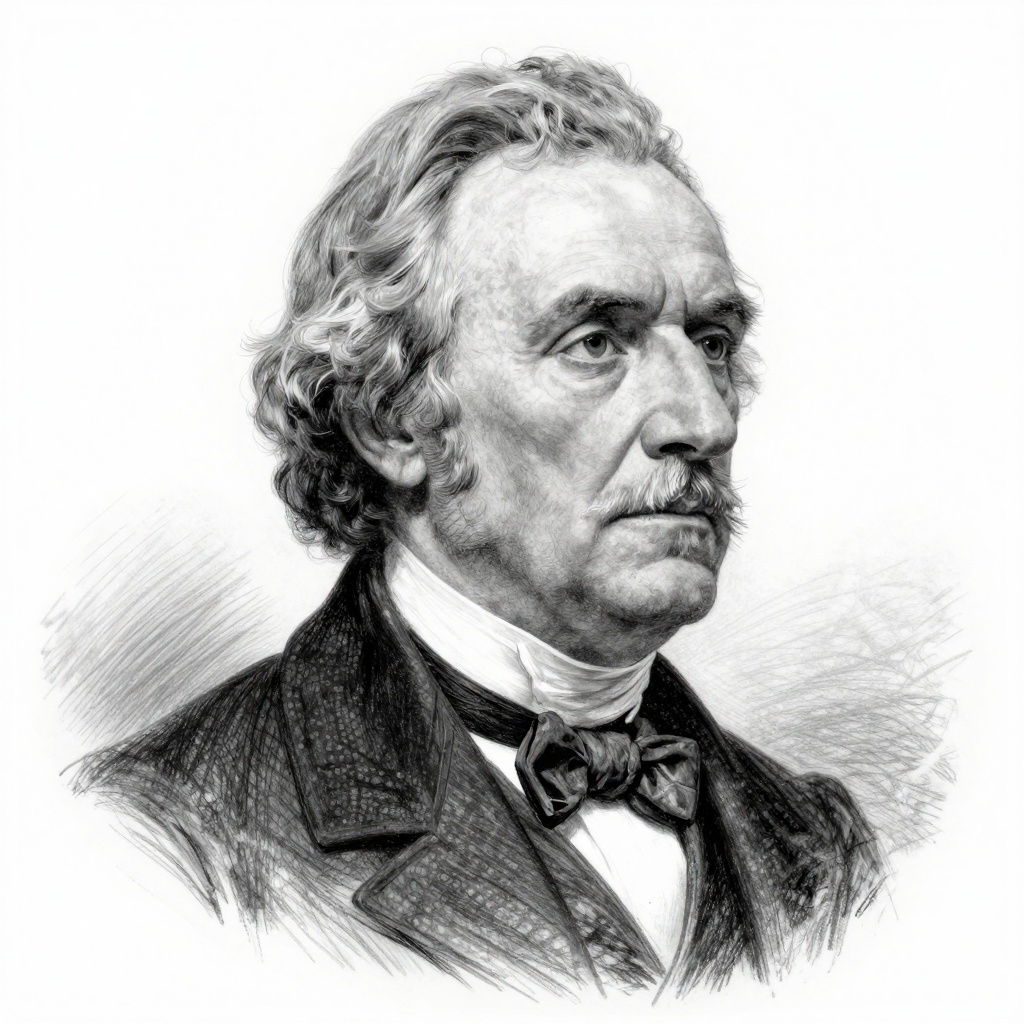
John Adams was the second President of the United States, serving from 1797 to 1801. He was a key figure in the American Revolution and played a crucial role in drafting the Declaration of Independence. Adams is known for his dedication to independence and his commitment to building a strong foundation for the new nation.
Comments