Quote · Added 15 February 2026
The credit of advancing science has always been due to individuals and never to the age.
No ratings yet
Filed underscience·individuals·progress
Quote · Added 15 February 2026
Filed underscience·individuals·progress
We live in an era obsessed with "the times we live in"—crediting our moment with progress, innovation, and change. But Goethe points to something uncomfortable: breakthroughs don't happen because conditions are suddenly perfect. They happen because someone, often fighting against their era's assumptions, decides to see differently. Your age didn't invent the internet or discover penicillin. A person did, usually one stubborn enough to ignore what everyone said was obvious or impossible.
This matters now because it's easy to feel like a passive observer of history, waiting for your generation to collectively figure things out. But Goethe's insight cuts the other way: the responsibility and possibility are yours. The discoveries ahead—whether scientific, creative, or personal—won't come from waiting for your moment or your crowd to be ready. They come from individuals who notice what everyone else walks past, who ask questions that sound naive, who trust their own thinking over the consensus.
The humbling part? History rarely credits the age or the crowd. It credits the person brave enough to be different from it.
1749–1832·lived 82 years
Johann Wolfgang von Goethe (1749–1832) was a renowned German writer, scientist, and statesman. He is best known for his works such as "Faust," "The Sorrows of Young Werther," and "Wilhelm Meister's Apprenticeship," which have had a lasting impact on German literature. Goethe's diverse talents and intellectual pursuits made him a key figure of the Weimar Classicism movement.
Also by Johann Wolfgang von Goethe
Nothing shows a man's character more than what he laughs at.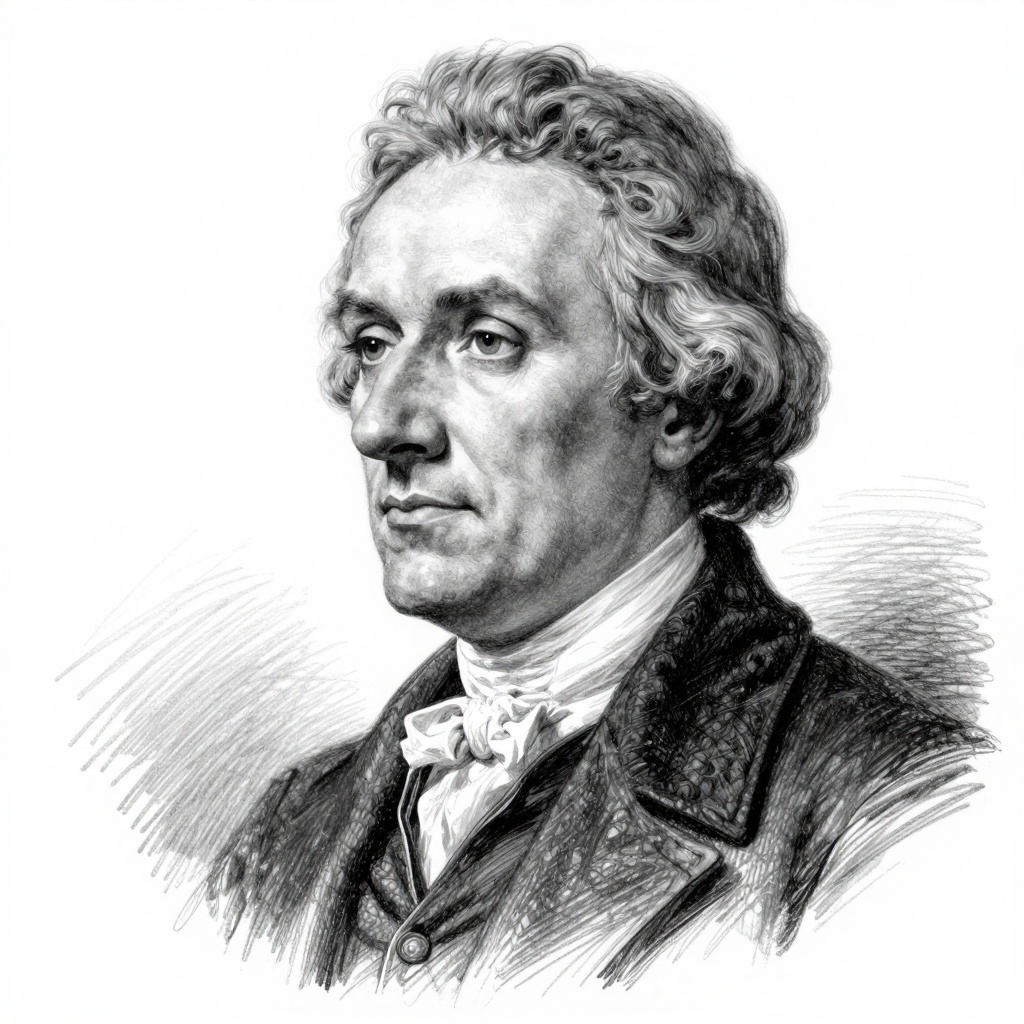
Comments