Quote · Added 7 February 2026
Man is not born wise, rational and good, but has to be taught to become so.
Jean-Jacques RousseauEmile, or On Education, Book I, 1762
No ratings yet
Quote · Added 7 February 2026
We often think of wisdom and goodness as things some people just naturally have—like they were born knowing the right answers. But Rousseau's point cuts deeper: nobody arrives equipped with a working moral compass. The person who seems naturally kind probably learned kindness by watching someone model it. The person who makes thoughtful decisions likely had to fail plenty of times first.
This matters because it removes a sneaky kind of judgment we carry around. When someone acts foolishly or selfishly, we can blame them as if they chose ignorance. But the quote suggests something more uncomfortable: they probably weren't taught better, or they learned the wrong lessons from people around them. It doesn't excuse bad behavior, but it does redirect where we aim our frustration—less at individual moral failure, more at what systems and people are actually passing along.
The non-obvious angle? It's also permission for yourself. You're allowed to still be learning how to live well. Your past mistakes aren't proof of who you are; they're part of the education everyone has to go through. The goal isn't to judge yourself for not arriving fully formed, but to stay curious about what you're being taught and what you might choose to learn instead.
1712–1778·lived 66 years
Jean-Jacques Rousseau was an 18th-century Swiss philosopher, writer, and composer. He is best known for his influential works, such as "The Social Contract" and "Emile," which significantly contributed to the Enlightenment period and political philosophy. Rousseau's ideas on democracy, freedom, and education had a lasting impact on Western thought.
Also by Jean-Jacques Rousseau
Civilization is a hopeless race to discover remedies for the evils it produces.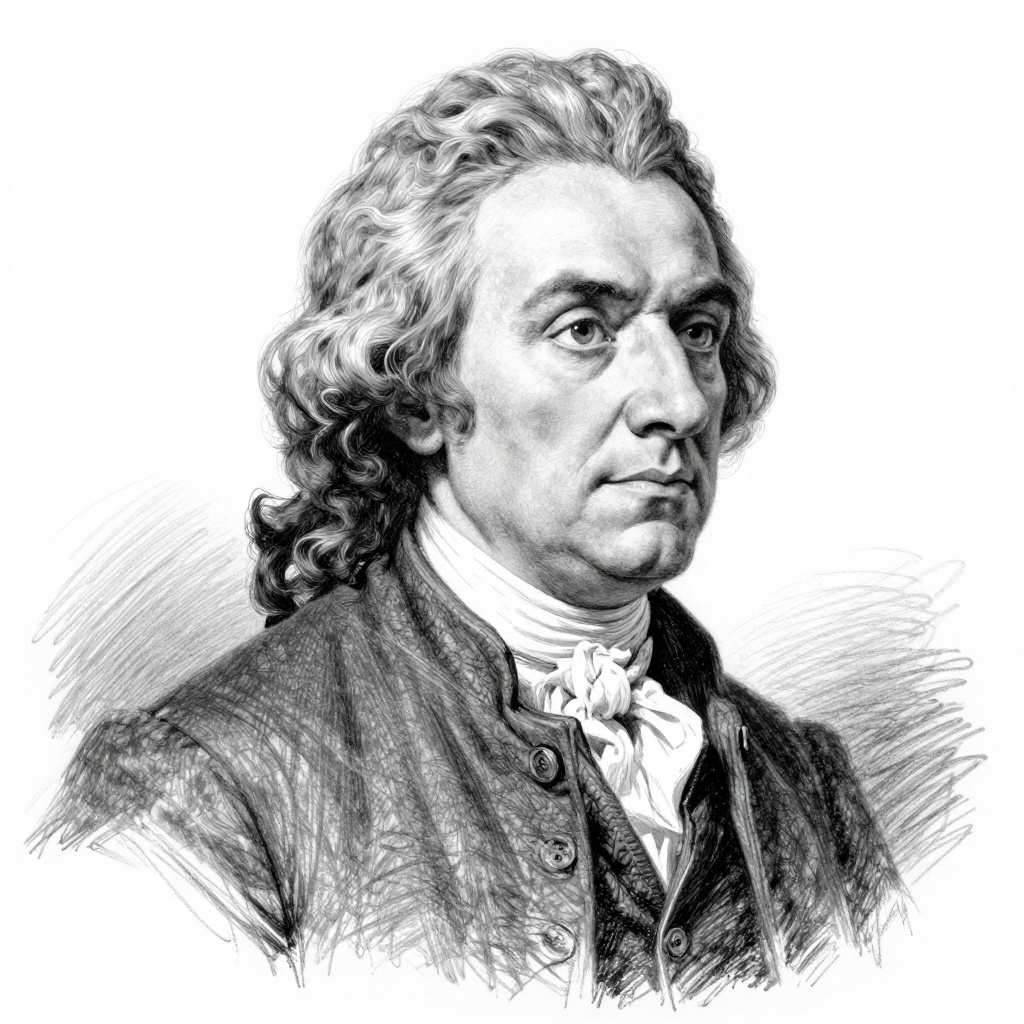
Comments