Quote · Added 14 February 2026
To sit in the shade on a fine day and look upon verdure is the most perfect refreshment.
Jane AustenMansfield Park, p. 123, 1814
No ratings yet
Filed undershade·refreshment·nature
Quote · Added 14 February 2026
Filed undershade·refreshment·nature
There's something almost radical about Austen's claim here—that the ultimate form of rest isn't achievement or accomplishment, but simply being present in a pleasant moment. In our current moment, we're trained to optimize everything, even downtime. We scroll while sitting outside, we listen to podcasts during walks, we feel guilty for "wasting" an afternoon. Austen suggests the opposite: that doing absolutely nothing, while surrounded by something beautiful, is actually the most perfect thing available to us.
The word "verdure" grounds this in something specific—not just any shade, but shade among green growing things. There's an implicit recognition that we're not separate from nature, that our bodies and minds genuinely need contact with it. Modern research on stress and attention confirms what Austen knew intuitively: looking at living things, without purpose or task, actually restores us in ways nothing else quite can. It's not exotic or expensive. It's available to most of us, most of the time.
The deeper insight is that Austen—a writer obsessed with plot and consequence and human behavior—knew when to stop. She understood that the pursuit of meaning can exhaust you, and that sometimes the most meaningful thing is to sit still and let yourself simply feel renewed. Permission granted.
1775–1817·lived 41 years
Jane Austen was an English novelist known for her witty and insightful portrayals of the British landed gentry during the early 19th century. Her works, including "Pride and Prejudice" and "Sense and Sensibility," are celebrated for their social commentary, humor, and enduring popularity. Austen's writing style and keen observations of societal norms have cemented her as one of the most beloved and influential authors in English literature.
Also by Jane Austen
Happiness in marriage is entirely a matter of chance.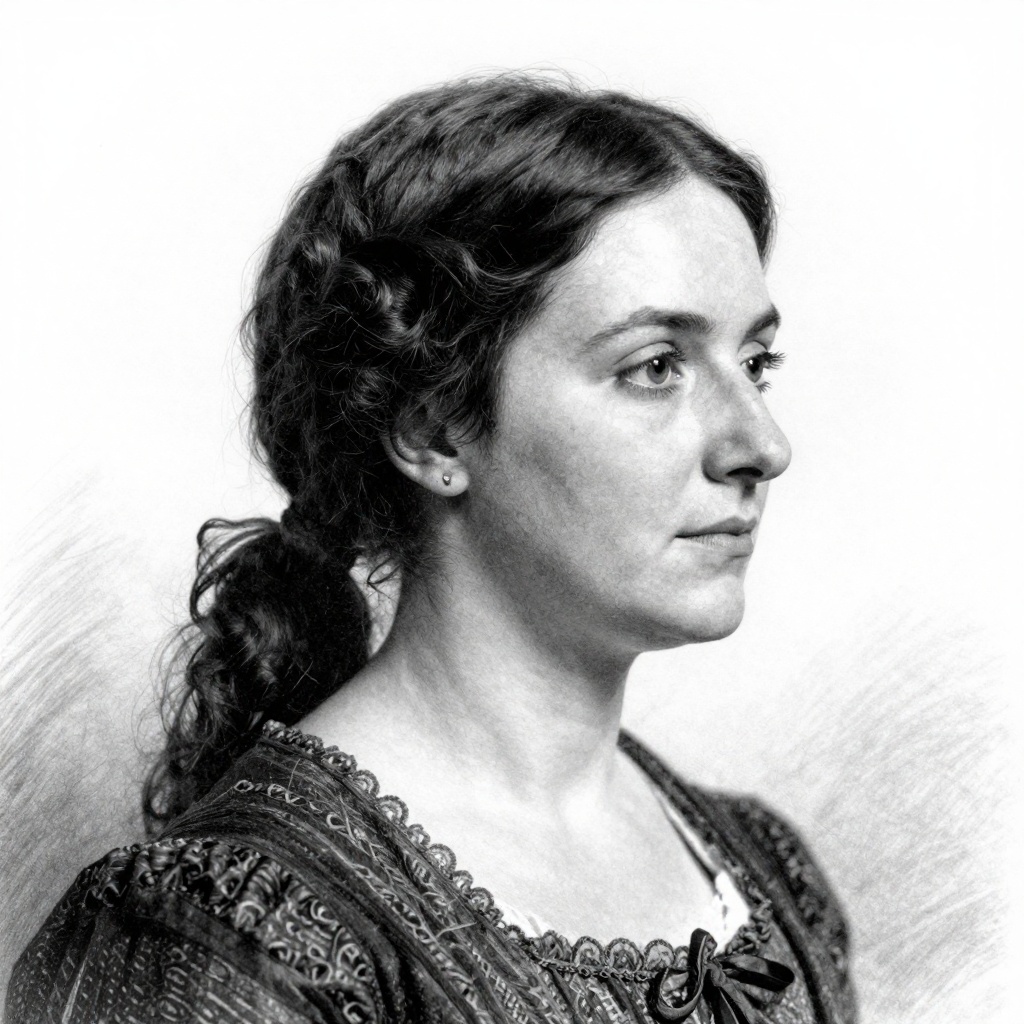
Comments