Quote · Added 14 February 2026
Wealth and want equally harden the human heart.
No ratings yet
Quote · Added 14 February 2026
We usually think hardness of heart comes from one direction—that poverty makes people callous and indifferent. But Austen noticed something more unsettling: getting everything you want can do the same thing. When you've never had to struggle or say no to yourself, compassion starts to feel like someone else's problem. You become untouchable.
The tricky part is that this hardening doesn't always look obvious. A wealthy person might be charming and generous with money while being emotionally unavailable to anyone who can't offer them something back. Meanwhile, someone grinding through financial stress might become so protective of their limited resources that they forget what generosity even feels like. Both have stopped bending. Both have stopped being surprised by others' humanity.
This matters now because we live in a world of extreme inequality, and both extremes are multiplying. The wealthy retreat into gated communities and private schools; the struggling grow cynical about whether anyone cares. The real antidote Austen's observation hints at isn't having the right amount of money—it's staying humble enough to remember what it feels like to need something you can't immediately have.
1775–1817·lived 41 years
Jane Austen was an English novelist known for her witty and insightful portrayals of the British landed gentry during the early 19th century. Her works, including "Pride and Prejudice" and "Sense and Sensibility," are celebrated for their social commentary, humor, and enduring popularity. Austen's writing style and keen observations of societal norms have cemented her as one of the most beloved and influential authors in English literature.
Also by Jane Austen
Happiness in marriage is entirely a matter of chance.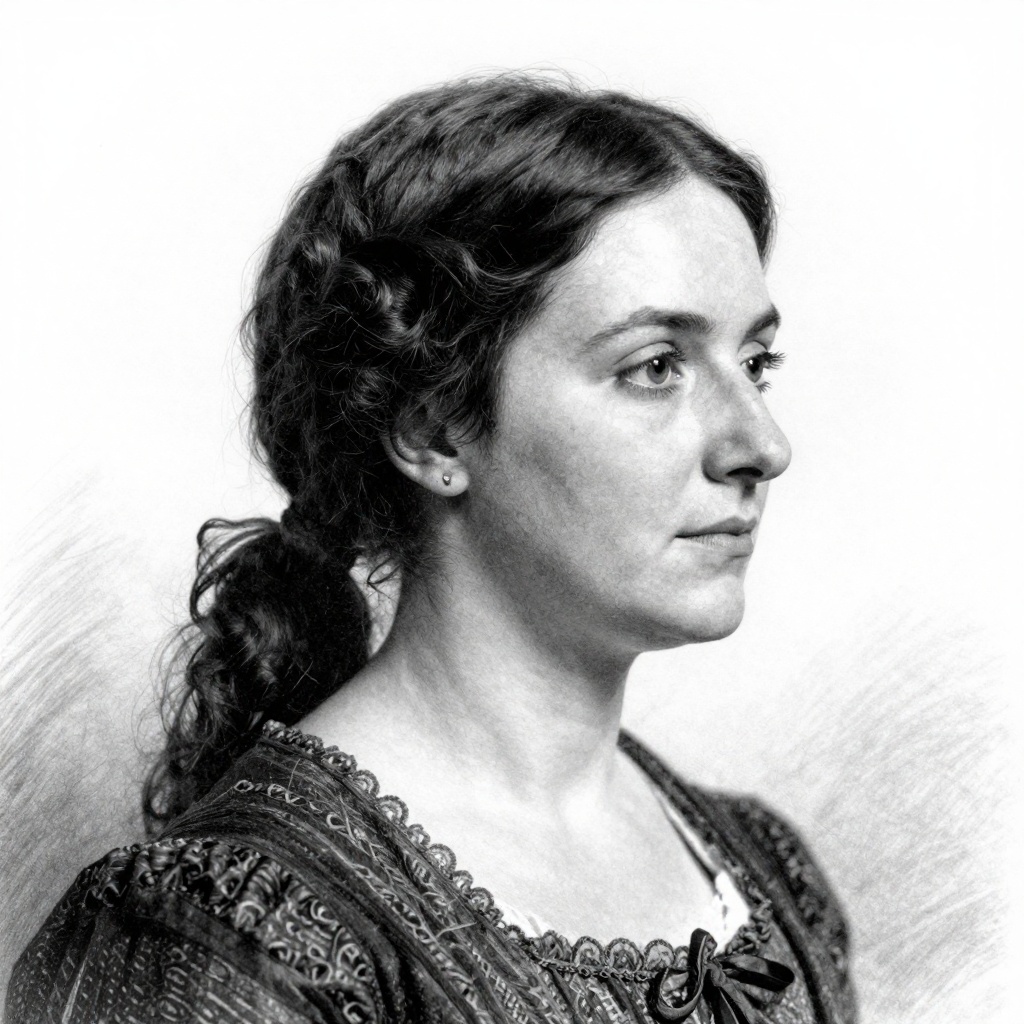
Comments