Quote · Added 15 February 2026
Happiness in marriage is entirely a matter of chance.
No ratings yet
Quote · Added 15 February 2026
When Jane Austen wrote this, she wasn't being cynical—she was being brutally honest about something we still pretend doesn't apply to us. We talk endlessly about "finding the right person" and "doing the work," as if marriage success is a formula we can optimize. But Austen saw something starker: you can do everything right and still end up miserable with someone, or find unexpected joy with a person you barely planned for. The uncontrollable variables—who you meet when, how you both change over five or ten years, what life throws at you—matter as much as compatibility.
The uncomfortable part is that this observation actually frees us from a crushing burden. If we stop believing that the right amount of self-knowledge or couple's therapy guarantees happiness, we can stop blaming ourselves when marriage gets hard, or feeling we failed because a relationship didn't work out. It's not all on you. Some of it genuinely is luck—the timing, the growth you both happen to undergo, the way two separate people's needs mysteriously align or don't.
This doesn't mean give up trying. It means try with eyes open, knowing that even thoughtful people in good relationships are partly riding on chance. And that's okay.
1775–1817·lived 41 years
Jane Austen was an English novelist known for her witty and insightful portrayals of the British landed gentry during the early 19th century. Her works, including "Pride and Prejudice" and "Sense and Sensibility," are celebrated for their social commentary, humor, and enduring popularity. Austen's writing style and keen observations of societal norms have cemented her as one of the most beloved and influential authors in English literature.
Also by Jane Austen
Angry people are not always wise.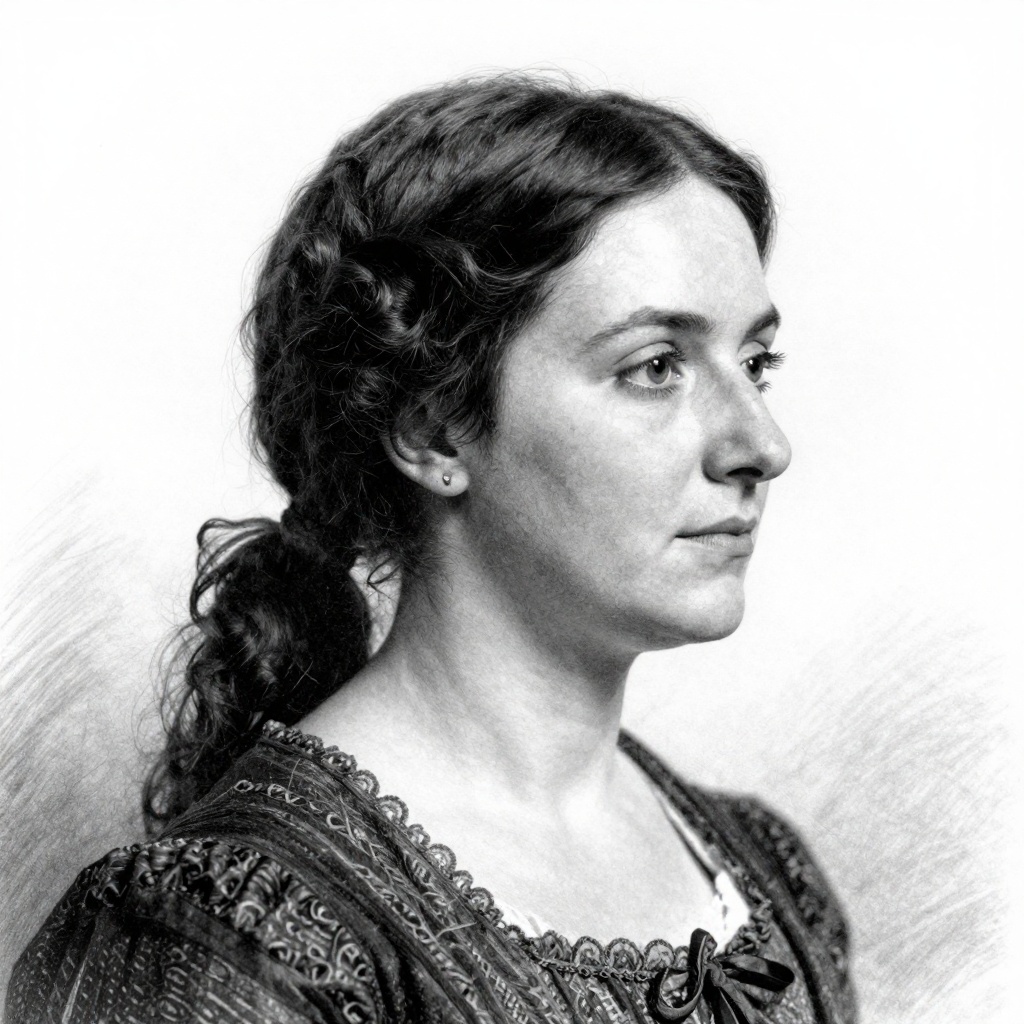
Comments