Quote · Added 2 November 2023
There is nothing I would not do for those who are really my friends. I have no notion of loving people by halves, it is not my nature.
Jane AustenNorthanger Abbey, 1817
No ratings yet
Filed underfriendship·love·devotion
Quote · Added 2 November 2023
Filed underfriendship·love·devotion
We live in an age of curated friendships and soft commitments. We "like" people's posts, grab coffee occasionally, maintain a comfortable distance. So there's something almost jarring about Austen's fierce declaration—not just that she's devoted to her friends, but that she can't imagine doing friendship any other way. No half-measures. No strategic friendliness.
The thing that strikes you when you actually live this principle is how rare it makes you. Most people are friendly to lots of people in lots of different ways. Austen's saying something different: when someone earns her genuine friendship, she goes all in. She doesn't negotiate the terms or protect herself with calculated distance. There's an honesty in that refusal to hedge. It probably made her complicated to know—demanding in her loyalty, unapologetic about caring deeply.
But here's the unexpected part: this kind of friendship isn't actually a burden on the people who receive it. It's a relief. In a world where most connections feel provisional, knowing someone simply won't do things by halves with you changes everything. It means you don't have to wonder where you stand, or perform a certain version of yourself. That clarity, that unambiguous commitment—it's something people actually crave, even if they're scared of it.
1775–1817·lived 41 years
Jane Austen was an English novelist known for her witty and insightful portrayals of the British landed gentry during the early 19th century. Her works, including "Pride and Prejudice" and "Sense and Sensibility," are celebrated for their social commentary, humor, and enduring popularity. Austen's writing style and keen observations of societal norms have cemented her as one of the most beloved and influential authors in English literature.
Also by Jane Austen
Happiness in marriage is entirely a matter of chance.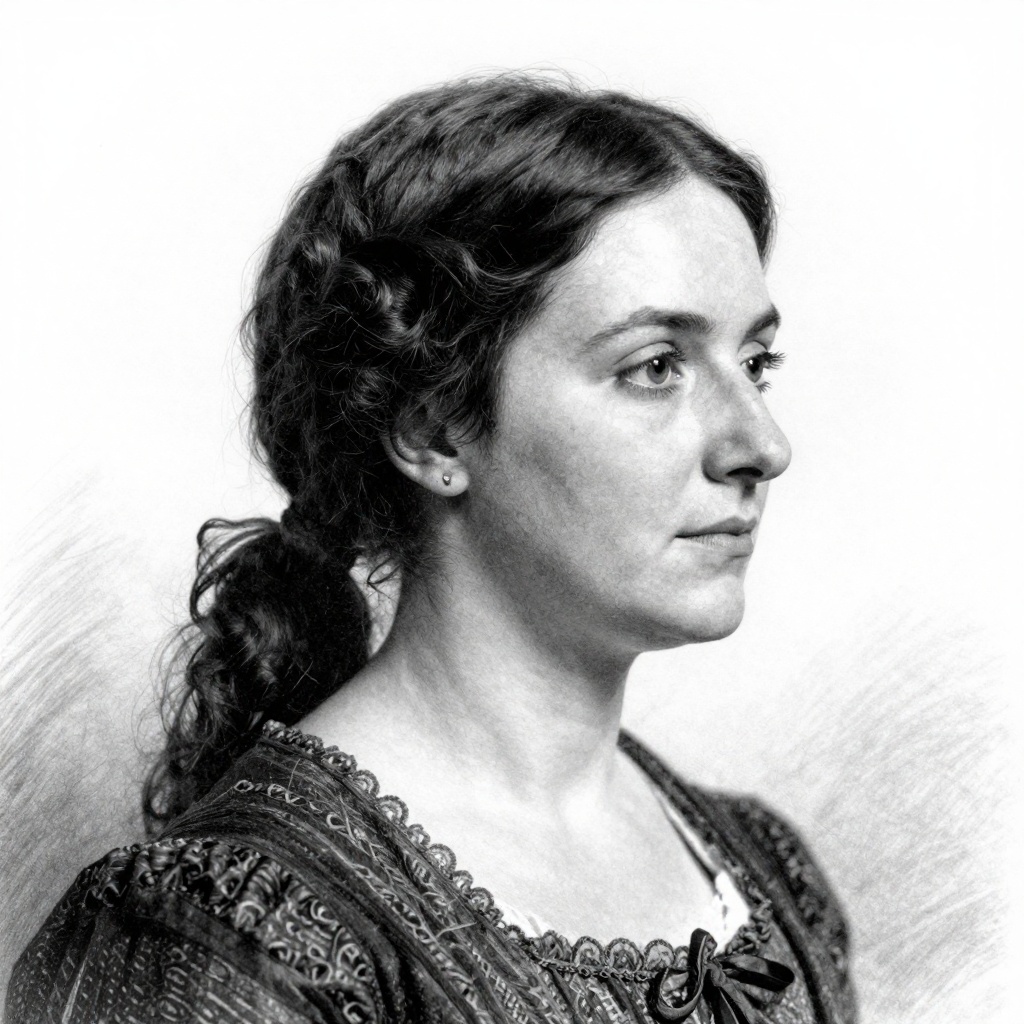
Comments