Quote · Added 15 February 2026
If Tyranny and Oppression come to this land, it will be in the guise of fighting a foreign enemy.
No ratings yet
Filed undertyranny·oppression·freedom
Quote · Added 15 February 2026
Filed undertyranny·oppression·freedom
We often imagine tyranny arriving with fanfare—a sudden coup, tanks in the street, obvious villainy. Madison saw something subtler and more dangerous: that freedom gets dismantled quietly, with public approval, wrapped in language that feels patriotic and necessary. When leaders invoke external threats, people willingly give up powers they'd never surrender otherwise. They watch their government, and they think this is temporary, this is protection.
The twist is that this doesn't require conspiracy or even bad faith. During actual crises, reasonable people disagree about how much surveillance, control, or restriction is necessary. A government official might genuinely believe expanded powers are needed. But once handed over, these tools rarely get returned. The infrastructure stays. The precedent sets. What began as emergency measure becomes normal.
This matters today because we're constantly managing real and perceived threats—terrorism, pandemic, crime, misinformation. None of these are invented fears. The question Madison is really asking isn't whether threats are real, but whether we're paying attention to what we're surrendering in response. Are we choosing this, or just accepting it because we're scared? That distinction might be the only thing protecting freedom.
1751–1836·lived 85 years
James Madison was an American statesman and political theorist who served as the fourth President of the United States from 1809 to 1817. He is often referred to as the "Father of the Constitution" for his pivotal role in drafting and promoting the United States Constitution and the Bill of Rights. Madison was also a key architect of the American political system and a co-founder of the Democratic-Republican Party alongside Thomas Jefferson.
Also by James Madison
The truth is that all men having power ought to be mistrusted.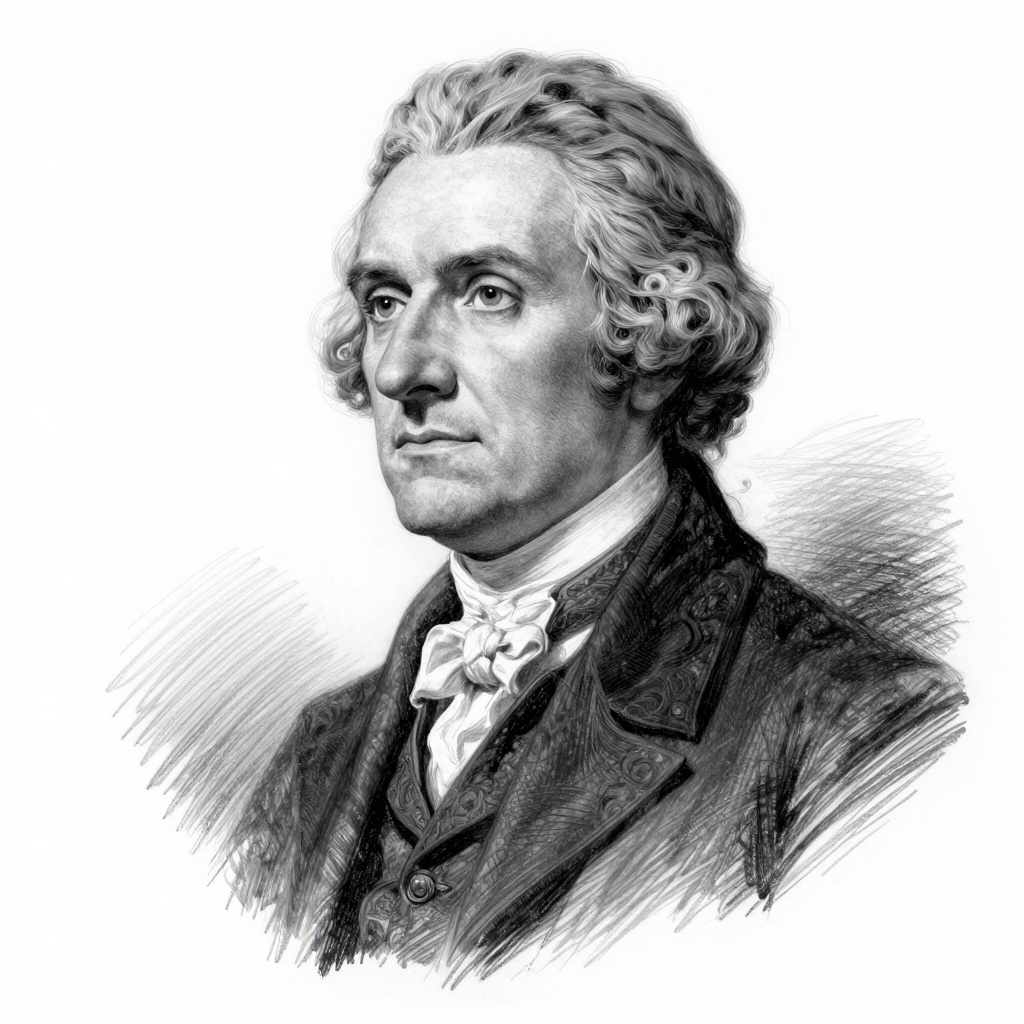
Comments