Quote · Added 15 February 2026
A well regulated militia, composed of the body of the people, trained in arms, is the best most natural defense of a free country.
No ratings yet
Quote · Added 15 February 2026
There's a tension buried in this quote that we don't talk about enough. Madison wasn't arguing for unlimited gun ownership—he was describing something specific: ordinary citizens who know how to handle weapons and can organize collectively when needed. The emphasis lands on "well regulated" and "trained," not on individual rights in isolation. It's the difference between everyone owning a fire extinguisher versus everyone knowing how to use one together.
What makes this relevant now is that we've largely abandoned the "trained" and "composed of the body of the people" parts while keeping the right. We've moved toward either professional military forces or fragmented individual ownership, but lost the middle ground of shared competence and collective responsibility. That matters because an armed citizenry that doesn't train together and hold itself to standards functions very differently than one that does.
The non-obvious part: Madison was actually describing something more like a civic duty than a consumer product. A "well regulated militia" requires buy-in, practice, and accountability to each other—the opposite of passive possession. Whether you think that's a realistic model today or not, it's worth noticing that his vision was about shared capability and mutual obligation, not just individual access.
1751–1836·lived 85 years
James Madison was an American statesman and political theorist who served as the fourth President of the United States from 1809 to 1817. He is often referred to as the "Father of the Constitution" for his pivotal role in drafting and promoting the United States Constitution and the Bill of Rights. Madison was also a key architect of the American political system and a co-founder of the Democratic-Republican Party alongside Thomas Jefferson.
Also by James Madison
The truth is that all men having power ought to be mistrusted.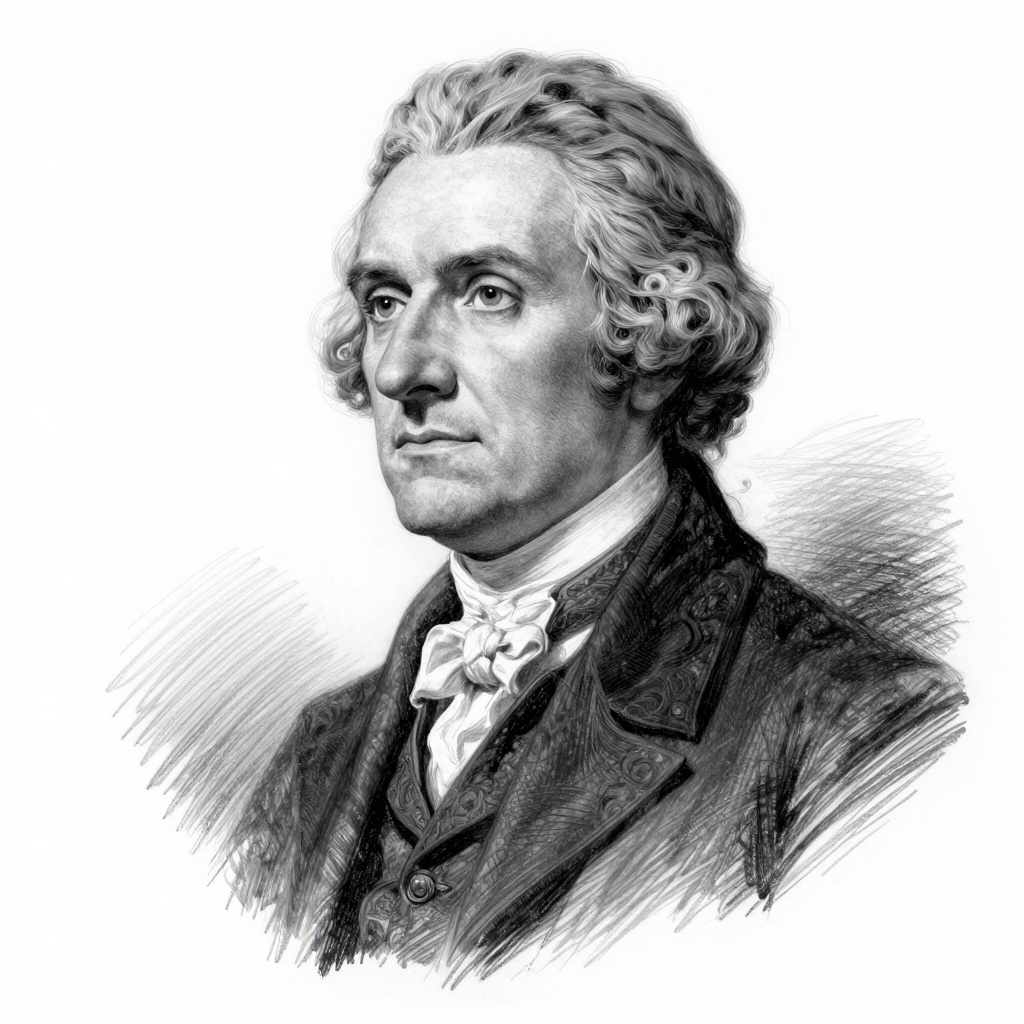
Comments