Quote · Added 4 January 2024
If we wait for the moment when everything, absolutely everything is ready, we shall never begin.
Ivan TurgenevCitatis
Quote · Added 4 January 2024
We've all felt the pull of this trap—waiting for the perfect conditions, the right timing, enough money, complete confidence. It feels responsible, like we're being smart by preparing thoroughly. But there's a cruel math here: the more we wait, the more new obstacles appear. The business plan needs another revision. Your skills aren't quite sharp enough yet. The market might shift. It's easy to mistake hesitation for prudence.
The thing about readiness is that it's partly an illusion. Real experience doesn't come from a checklist; it comes from actually doing the thing while still uncertain. A musician doesn't wait until they sound perfect to play in front of others—they learn by performing imperfectly. A writer doesn't wait until they're sure every sentence is brilliant. They start, stumble, and get better through the work itself. Turgenev understood that waiting breeds a particular kind of regret, the one where you never find out what might have been possible.
This doesn't mean recklessness. It means recognizing the difference between reasonable preparation and the endless postponement we call getting ready. The moment you decide to begin won't feel like the right moment. It'll feel too early, too risky, too underdone. That feeling is almost always the actual starting point.
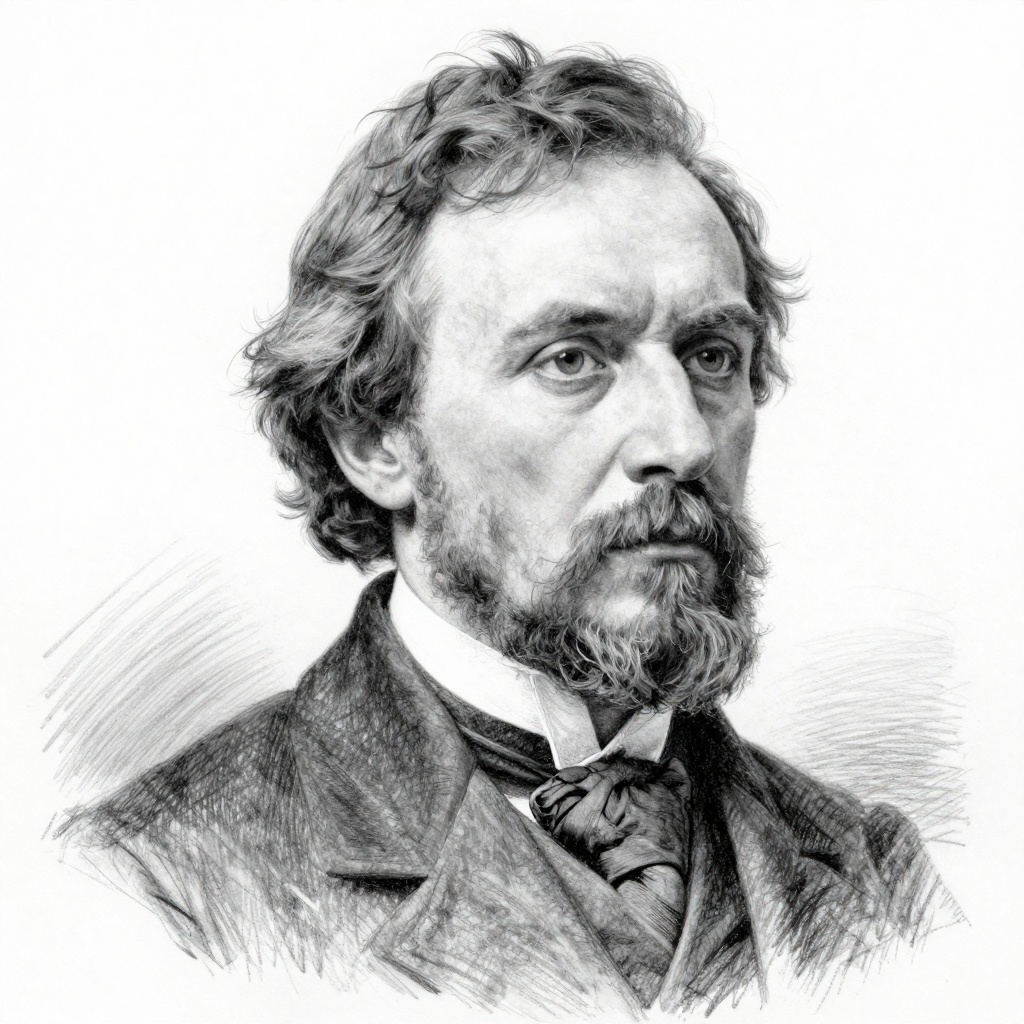
1818–1883·lived 64 years
Ivan Turgenev was a Russian novelist, playwright, and short story writer, born on November 9, 1818. Known for his works focusing on the rural Russian life and the intricacies of human relationships, Turgenev's writing style had a profound influence on Russian literature and his novel "Fathers and Sons" is considered one of his most famous works. He passed away on September 3, 1883.
Comments