Time sometimes flies like a bird, sometimes crawls like a snail; but a man is happiest when he does not even n... — Ivan Turgenev

Time sometimes flies like a bird, sometimes crawls like a snail; but a man is happiest when he does not even notice whether it passes swiftly or slowly.

Author: Ivan Turgenev

Insight: There's a peculiar magic in those moments when you completely lose track of time. You're absorbed in something—maybe a conversation that flows effortlessly, work that actually engages you, or a hobby that pulls your full attention—and suddenly hours have vanished. You don't feel cheated or rushed. Instead, there's a quiet contentment that comes from not being aware of the clock at all. Most of us spend our days acutely conscious of time slipping away. We're either impatient for something to end or anxious that it's ending too fast. We check our phones, count down to the weekend, worry we're running late. That constant awareness creates a low-level tension that colors everything. But Turgenev points to something deeper: real happiness isn't about having more time or even spending it "well." It's about being so genuinely engaged that the question of whether time is flying or crawling simply doesn't occur to you. The counterintuitive part is that this state of timelessness is usually impossible to force. You can't manufacture it through discipline or willpower. It emerges when there's alignment between what you're doing and what actually matters to you—when you're not performing happiness but living it. That's worth paying attention to, because it suggests the happiest people aren't the ones frantically optimizing their schedules. They're the ones who've found things worth forgetting time for.

The happiness of forgetting time

Time sometimes flies like a bird, sometimes crawls like a snail; but a man is happiest when he does not even notice whether it passes swiftly or slowly.

There's a peculiar magic in those moments when you completely lose track of time. You're absorbed in something—maybe a conversation that flows effortlessly, work that actually engages you, or a hobby that pulls your full attention—and suddenly hours have vanished. You don't feel cheated or rushed. Instead, there's a quiet contentment that comes from not being aware of the clock at all.

Most of us spend our days acutely conscious of time slipping away. We're either impatient for something to end or anxious that it's ending too fast. We check our phones, count down to the weekend, worry we're running late. That constant awareness creates a low-level tension that colors everything. But Turgenev points to something deeper: real happiness isn't about having more time or even spending it "well." It's about being so genuinely engaged that the question of whether time is flying or crawling simply doesn't occur to you.

The counterintuitive part is that this state of timelessness is usually impossible to force. You can't manufacture it through discipline or willpower. It emerges when there's alignment between what you're doing and what actually matters to you—when you're not performing happiness but living it. That's worth paying attention to, because it suggests the happiest people aren't the ones frantically optimizing their schedules. They're the ones who've found things worth forgetting time for.

AI generated

Comments

Sign in to leave a comment or reply to one.

Sign in

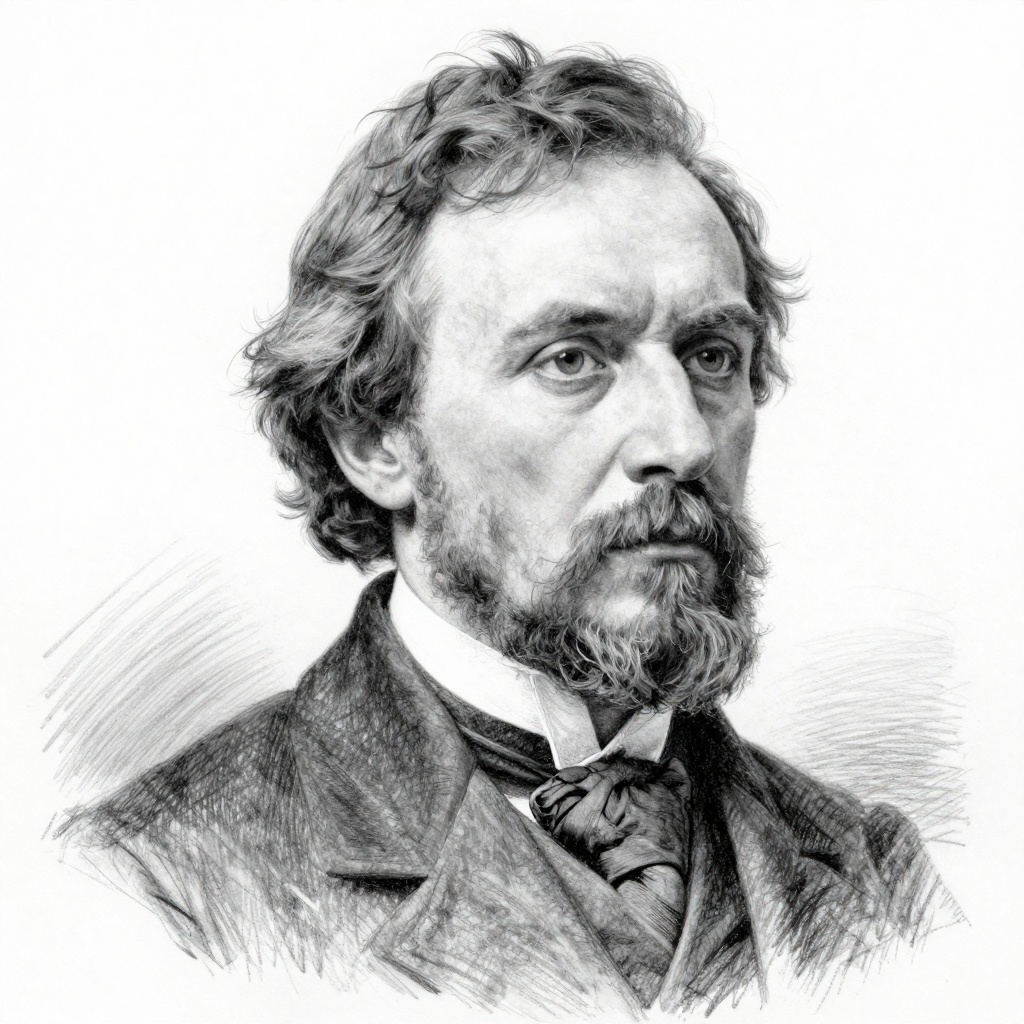
Ivan Turgenev

Ivan Turgenev was a Russian novelist, playwright, and short story writer, born on November 9, 1818. Known for his works focusing on the rural Russian life and the intricacies of human relationships, Turgenev's writing style had a profound influence on Russian literature and his novel "Fathers and Sons" is considered one of his most famous works. He passed away on September 3, 1883.

Graph

Related