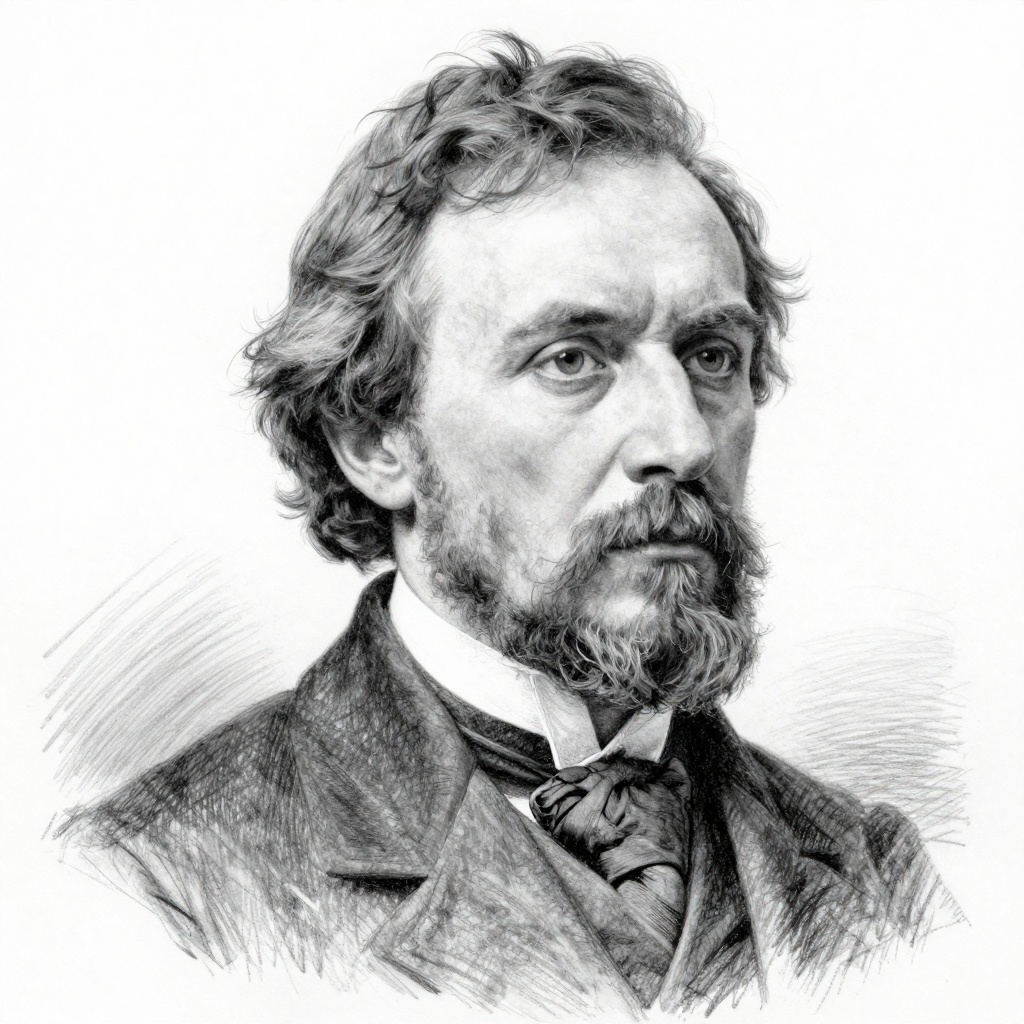
A poet must be a psychologist, but a secret one: he should know and feel the roots of phenomena but present on... — Ivan Turgenev
A poet must be a psychologist, but a secret one: he should know and feel the roots of phenomena but present only the phenomena themselves in full bloom or as they fade away.
Author: Ivan Turgenev
Insight: When we read something that stops us cold—a character's exact gesture, a moment of silence between two people, a specific kind of light—we're often moved without quite knowing why. That's because the writer did invisible work first. They understood the psychology underneath: the wound, the fear, the hunger. But they were smart enough not to spell it out. They showed us the trembling hand, not the anxiety diagnosis. This matters because we live in an age of over-explanation. We're tempted to tell people what to feel about what they're seeing. But the most persuasive moments in life work differently. A parent doesn't lecture a child about the physics of disappointment; they let the closed door, the unanswered phone, the empty chair do the teaching. Similarly, the best writing trusts you to sense the depths without tour-guide commentary. There's something almost rebellious about this approach now—choosing to show rather than tell, to respect the reader's intelligence enough to let them discover meaning themselves. It's harder to write this way, which might be why so much contemporary communication insists on telling us exactly what we're supposed to think. The secret psychologist in a writer knows something we've almost forgotten: mystery and restraint are more powerful than explanation.