Quote · Added 24 March 2026
Plato is my friend, Aristotle is my friend, but my greatest friend is truth.
No ratings yet
Filed undertruth·friendship·philosophy
Quote · Added 24 March 2026
Filed undertruth·friendship·philosophy
We live in an age of intellectual loyalty. We follow certain thinkers, adopt their frameworks, build our identities around what they believe. There's comfort in that—a ready-made lens for understanding the world. Newton's statement cuts through that comfortable settling. He's saying: don't let admiration for brilliant people become a cage. Even Plato and Aristotle, towering figures, are ultimately just stepping stones. The real work is staying honest about what you actually observe, even when it contradicts someone you respect.
This matters more now than ever. We're surrounded by frameworks—political ideologies, productivity gurus, wellness influencers—each demanding our allegiance. It's easier to adopt someone's entire worldview wholesale than to do the harder work of testing it against reality. But Newton understood something crucial: truth doesn't care about your loyalty to a system or a person. Reality will contradict you if you're wrong, no matter how prestigious your intellectual heroes are.
The slightly radical part? Newton practiced this ruthlessly. He was willing to overturn ancient assumptions and his own earlier work. That's the real friendship he's describing—not the comfortable kind where you agree with everything, but the rigorous kind where you keep asking "but is this actually true?" That friction between what we want to believe and what reality shows us? That's where real learning happens.
1643–1727·lived 84 years
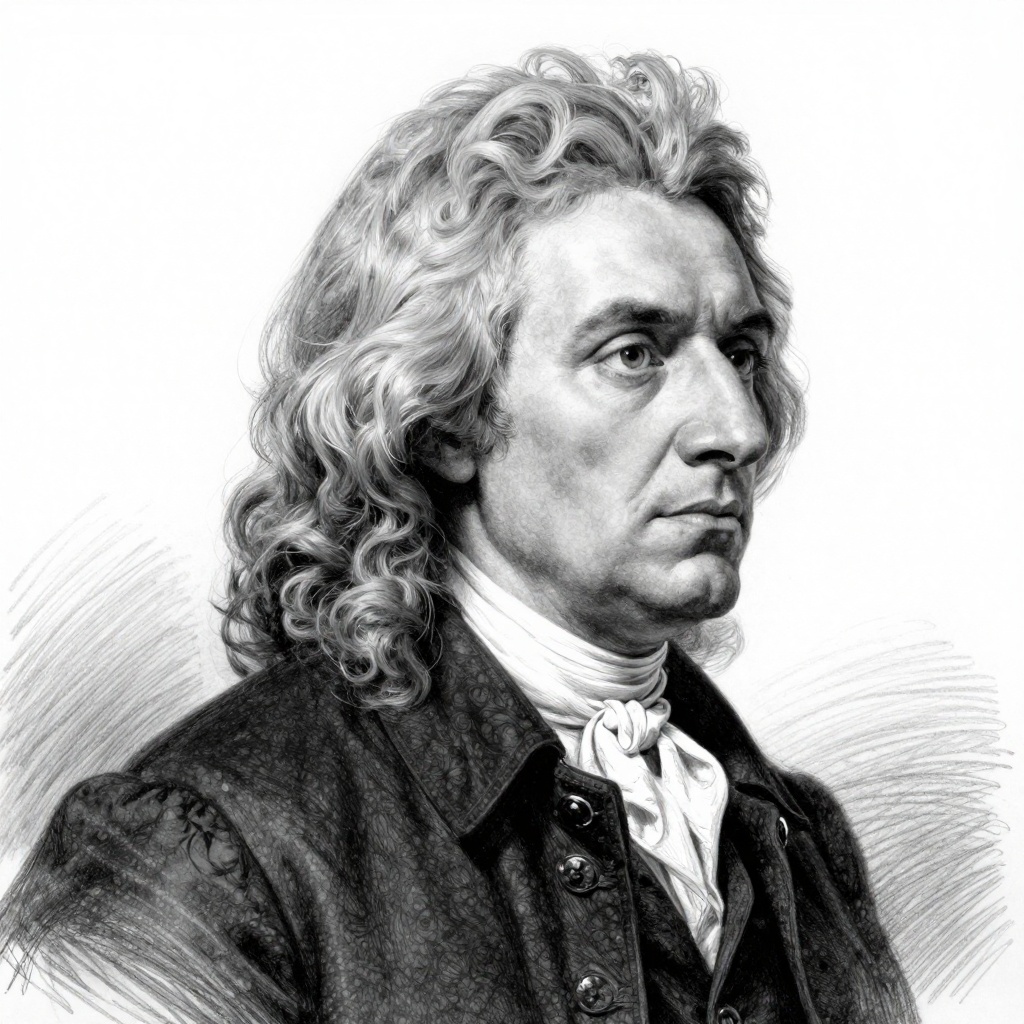
Isaac Newton (1643–1727) was an English mathematician, physicist, and astronomer, widely recognized for formulating the laws of motion and universal gravitation. His work laid the foundation for classical mechanics and greatly advanced our understanding of the natural world.
Comments