Quote · Added 27 March 2026
Lock yourself in a room and study until you collapse. True brilliance comes from obsession.
No ratings yet
Filed understudy·obsession·brilliance
Quote · Added 27 March 2026
Filed understudy·obsession·brilliance
We live in an era obsessed with balance, wellness routines, and protecting our mental health—so a quote championing obsessive isolation sounds almost reckless. But there's something worth examining beneath the surface. Newton actually did spend entire nights in deep focus, and yes, he accomplished extraordinary things. The real question isn't whether obsession can produce results; it's whether obsession is necessary, or whether we've just been sold a romanticized version of genius that ignores everything else.
Here's the uncomfortable part: most obsessions don't lead to breakthroughs. They lead to burnout, damaged relationships, and work that feels hollow because it consumed everything else. We see this play out constantly—the entrepreneur who builds a successful company but loses their marriage, the student who aces everything but never actually thinks deeply about what they want. Obsession is a tool, not a virtue. The real brilliance might be knowing when to lock yourself away and when to step back, when to chase something relentlessly and when to let it breathe. Newton's discoveries mattered partly because he could go deep, but they mattered more because he had something worth being deep about. The obsession followed the purpose, not the other way around.
1643–1727·lived 84 years
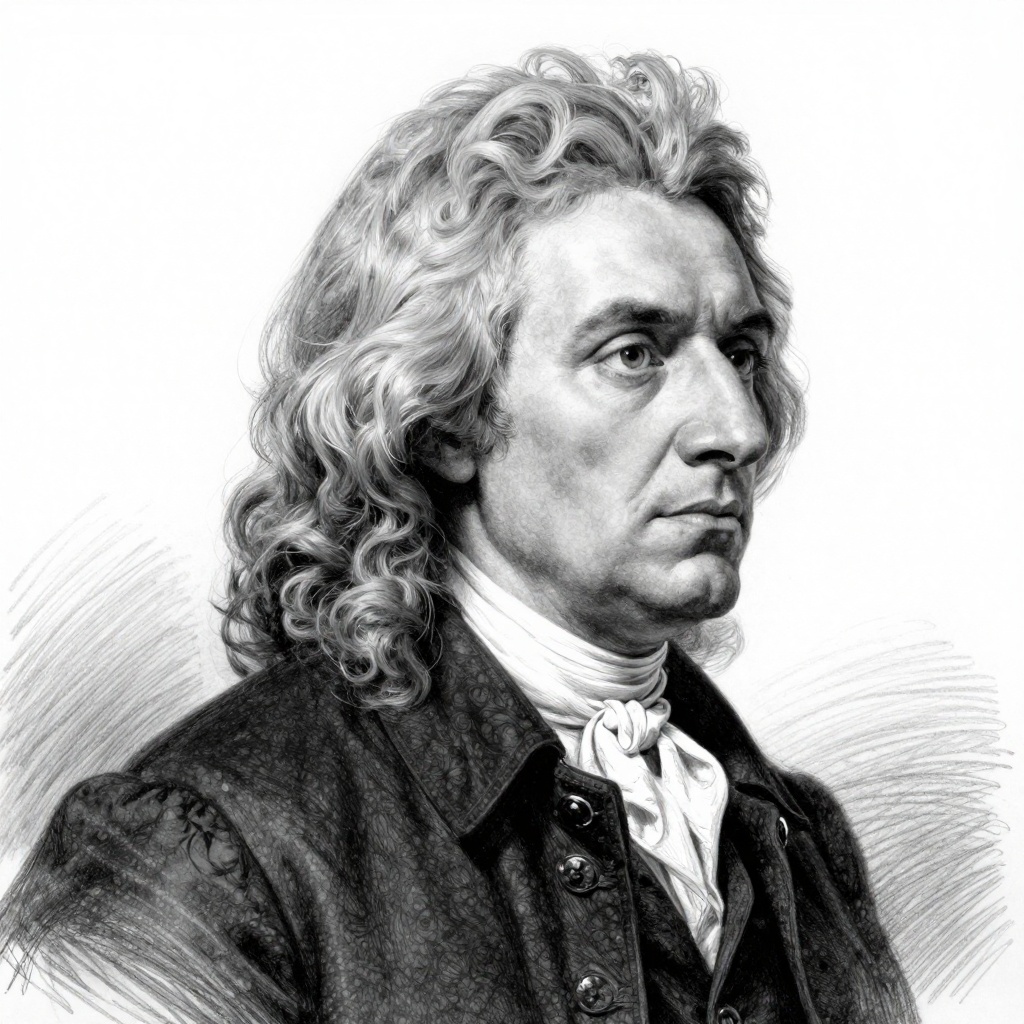
Isaac Newton (1643–1727) was an English mathematician, physicist, and astronomer, widely recognized for formulating the laws of motion and universal gravitation. His work laid the foundation for classical mechanics and greatly advanced our understanding of the natural world.
Comments