Quote · Added 5 July 2024
Nature is pleased with simplicity. And nature is no fool.
Isaac NewtonThe Principia, 1687
No ratings yet
Filed undernature·simplicity·wisdom
Quote · Added 5 July 2024
Filed undernature·simplicity·wisdom
We live in an age of relentless complexity—apps layered on apps, explanations that require other explanations, lives filled with optimization strategies and life hacks that somehow make everything harder. So Newton's observation hits differently now. When he says nature prefers simplicity, he's not romanticizing some pastoral fantasy. He's saying that the deepest truths about how the world actually works tend to be elegant, even spare. The universe doesn't need to be complicated to be magnificent.
The second part—"nature is no fool"—is the kicker. It's almost defensive, as if Newton anticipated our modern impulse to conflate complexity with sophistication. Adding more layers doesn't make something truer or better. In fact, sometimes the sign you're on the wrong track is when your explanation requires constant patching and exceptions. When you find yourself overcomplicating something at work or in a relationship, it's worth asking: am I solving the actual problem, or am I just piling on complexity?
This matters personally because simplicity requires clarity first. It's harder to strip things down than to add more. But when you do, you often find what actually matters—in nature, in thinking, and in how you spend your time.
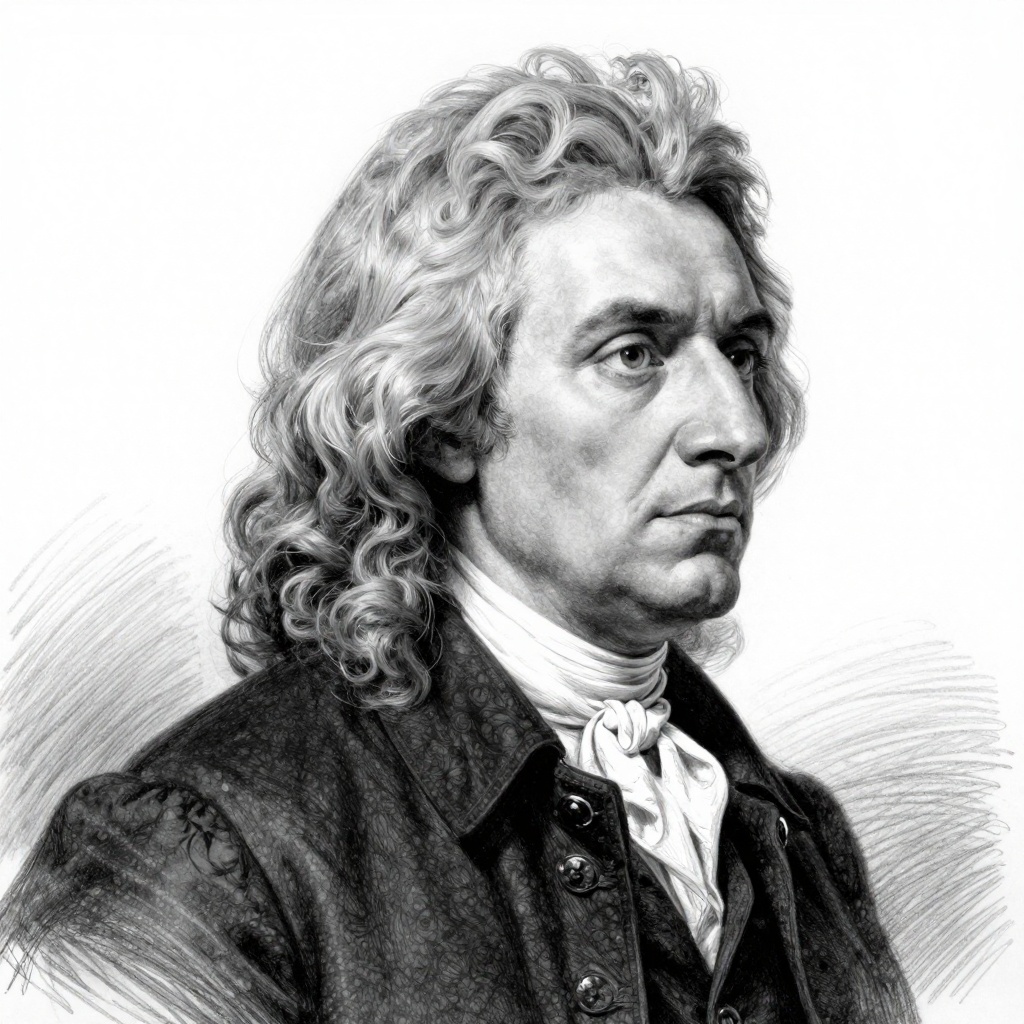
1643–1727·lived 84 years
Isaac Newton (1643–1727) was an English mathematician, physicist, and astronomer, widely recognized for formulating the laws of motion and universal gravitation. His work laid the foundation for classical mechanics and greatly advanced our understanding of the natural world.
Comments