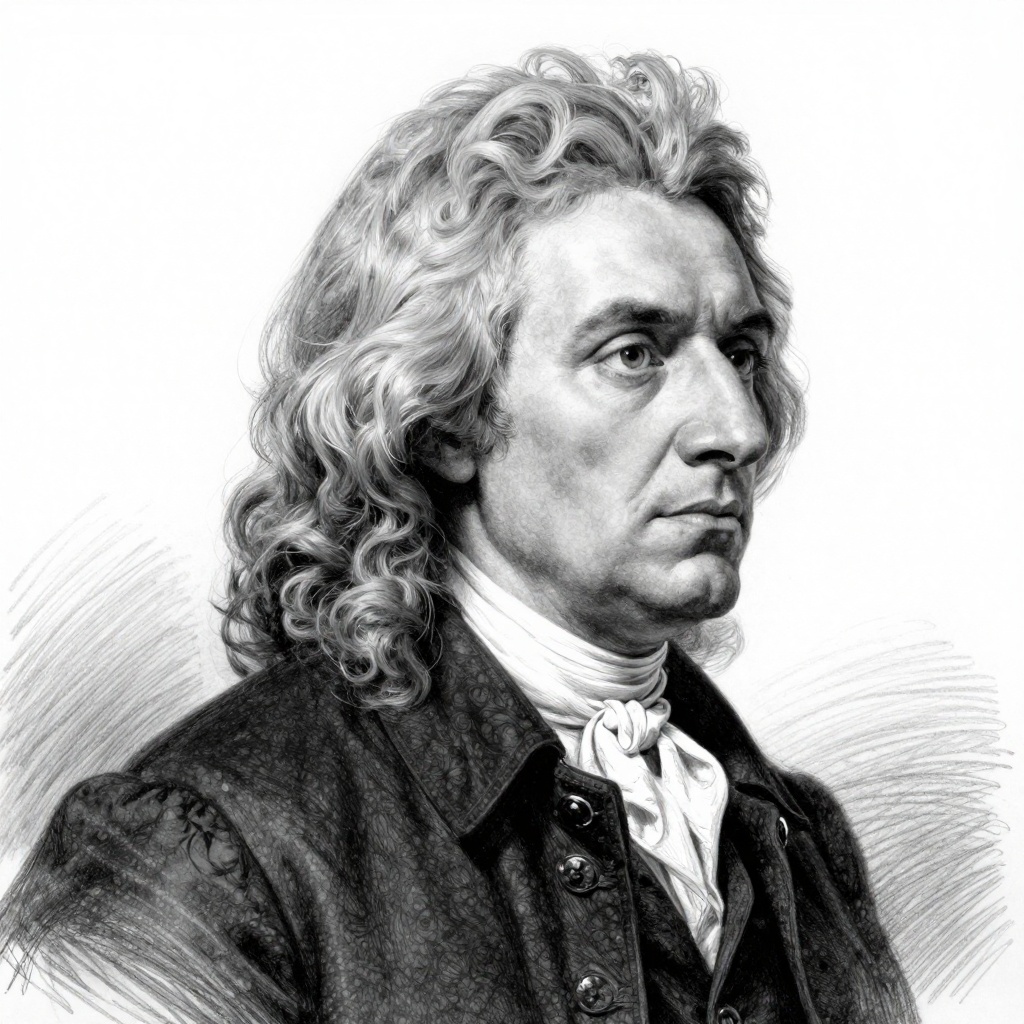
A man may imagine things that are false, but he can only understand things that are true, for if the things be... — Isaac Newton
A man may imagine things that are false, but he can only understand things that are true, for if the things be false, the apprehension of them is not understanding.
Author: Isaac Newton
Insight: We spend a lot of time confusing imagination with understanding. You can picture yourself as someone confident and successful—imagine it vividly, feel the emotions—but that's not the same as actually understanding what confidence or competence requires. The gap between these two is where a lot of our self-help culture lives, and where we often get stuck. Newton's point cuts deeper than it first appears. Understanding requires something real to grab onto. When you understand how to fix a relationship or build a skill, you're working with actual mechanics: what people actually need, how things actually work, what actually happens when you try something. Imagination lets you rehearse, dream, and explore—all valuable—but it lets you off the hook. You can imagine being better without confronting what being better actually demands. The tricky part is that imagination and understanding look similar from the inside. Both feel like knowledge. But one is flexible and comfortable; the other is stubborn and concrete. The person who understands their own resistance to exercise knows exactly why they avoid it. The person who just imagines being fit has skipped that harder, clearer work. Real understanding means accepting constraints. Imagination means ignoring them.