Quote · Added 25 January 2025
The undisciplined are slaves to moods, appetites and passions.
Immanuel KantIntroduction to the Metaphysics of Morals, 1785
Filed underdiscipline·freedom·emotions
Quote · Added 25 January 2025
Filed underdiscipline·freedom·emotions
Most of us experience this without realizing it's what's happening. You wake up unmotivated and skip the gym, then feel annoyed at yourself all day. Or you're in a great mood at a party and overshare things you later regret. The pattern is familiar: your mood decides what happens next, not your actual values or goals.
What's tricky is that moods feel like facts. When you're tired, the couch looks like where you belong. When you're anxious, avoidance feels like wisdom. But here's the thing—discipline isn't about being joyless or rigid. It's actually the opposite of slavery. It's the only real freedom you have, because the person who can't choose their response to a mood or craving is genuinely trapped. They're not making decisions; they're just reacting.
The practical angle most people miss: small disciplines compound. Choosing the walk when you don't feel like it, or stopping the argument when frustration is loudest, these aren't punishments. They're the moments you're actually in control. Everything else—the weight gain, the regretted words, the abandoned projects—those are what happen when you let the feeling of the moment run your life.
1724–1804·lived 79 years
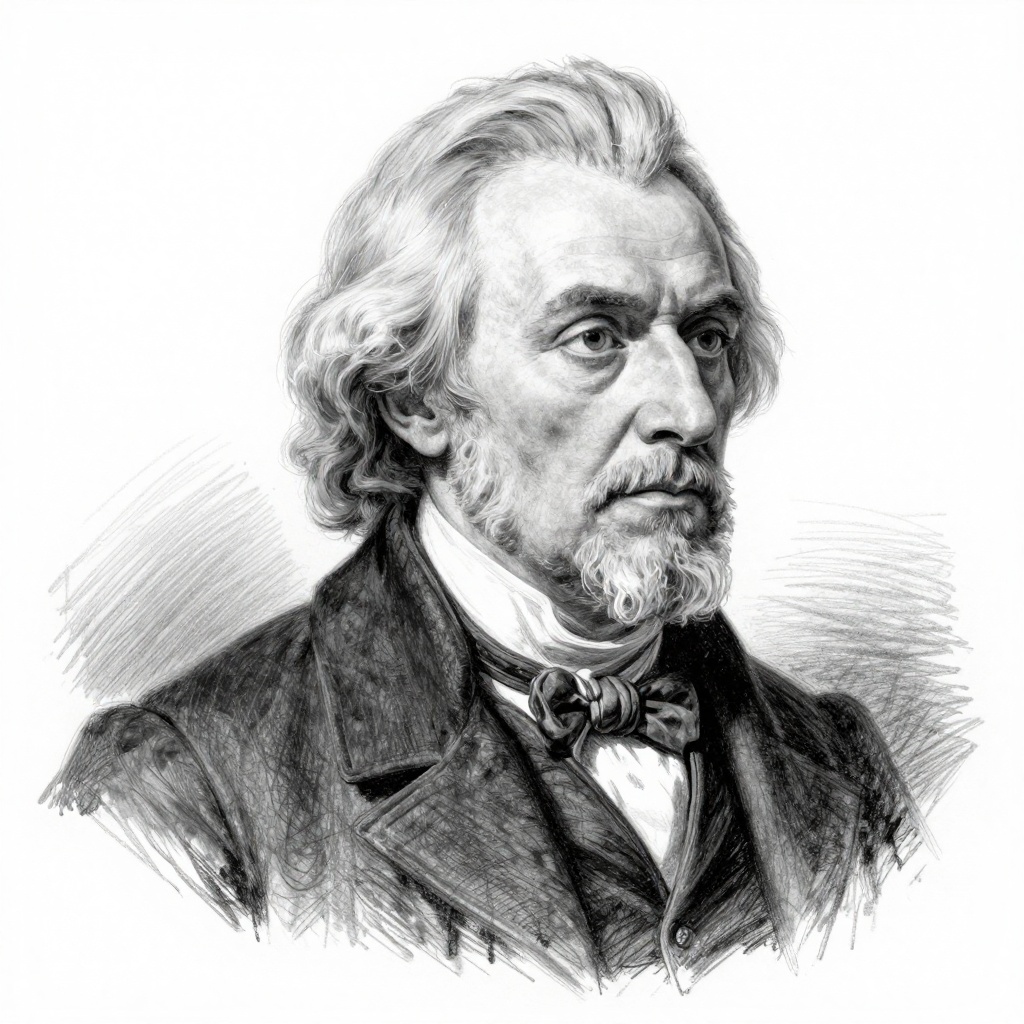
Immanuel Kant (1724–1804) was a German philosopher known for his work in metaphysics, ethics, and epistemology. He is considered one of the most influential thinkers in the history of Western philosophy, particularly for his ideas on the nature of knowledge, morality, and the mind.
Comments