Quote · Added 14 February 2026
Happiness is not an ideal of reason, but of imagination.
Immanuel KantCritique of Pure Reason, 1781
Filed underhappiness·imagination·reason
Quote · Added 14 February 2026
Filed underhappiness·imagination·reason
We often treat happiness like a math problem to be solved—work hard enough, accumulate enough, achieve enough, and the equation balances. But Kant points at something messier and more truthful: happiness isn't found through pure logic. It lives in imagination, in the stories we tell ourselves about what matters and what feels good.
This matters because it explains why two people in nearly identical circumstances can feel completely different. One person imagines their modest apartment as a cozy refuge; another sees only what's missing. One finds joy in a simple meal; another tastes only regret about what they're not eating. The actual conditions barely budge—but the imaginative frame changes everything. We're not broken for not "reasoning" our way to contentment. We're actually being asked to do the harder, more creative work of reimagining what we already have.
The twist is that this gives us more power than logic ever could. You can't reason yourself happy by force of will, but you can gradually shift how you imagine your life. You can practice seeing differently. That's not self-help nonsense—it's recognizing that happiness was never waiting at the end of the perfect plan. It was always hidden in the choices we make about what to pay attention to.
1724–1804·lived 79 years
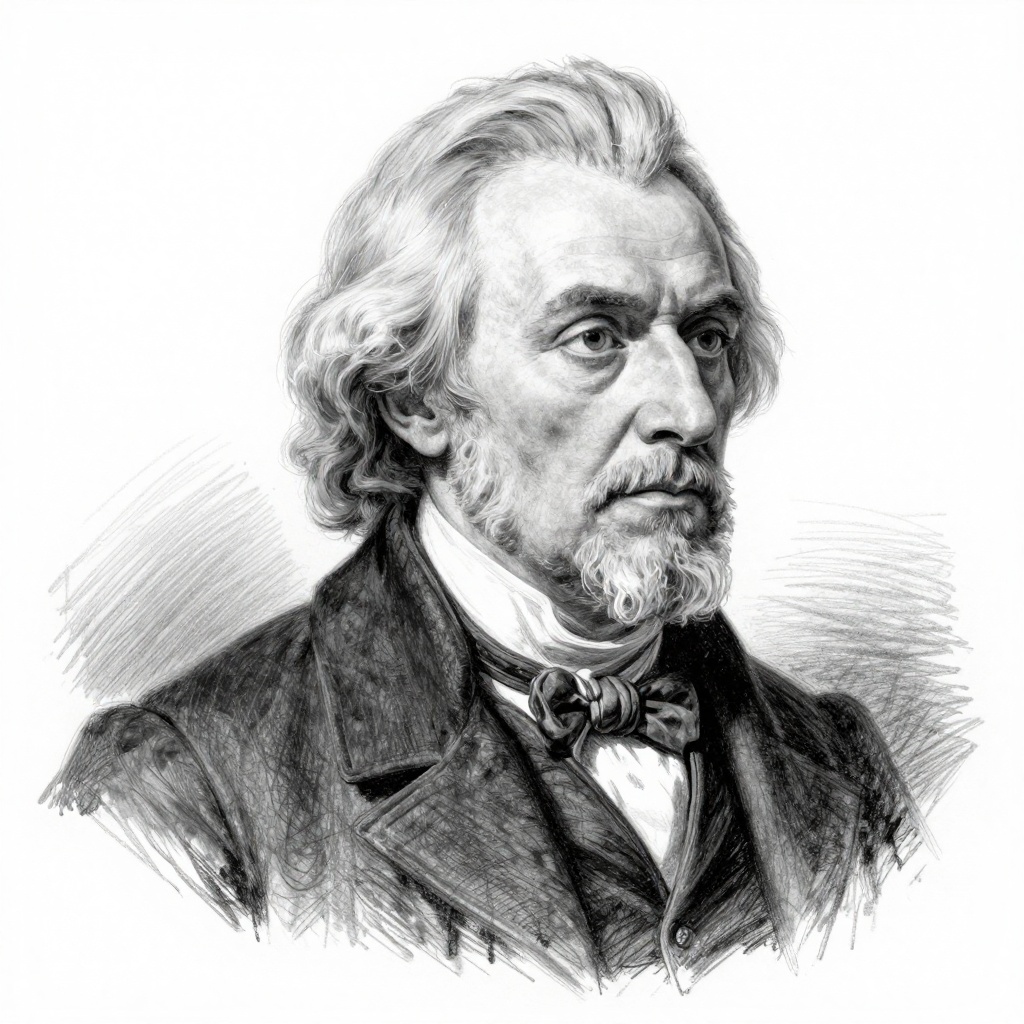
Immanuel Kant (1724–1804) was a German philosopher known for his work in metaphysics, ethics, and epistemology. He is considered one of the most influential thinkers in the history of Western philosophy, particularly for his ideas on the nature of knowledge, morality, and the mind.
Comments