Quote · Added 9 February 2026
Experience without theory is blind, but theory without experience is mere intellectual play.
Immanuel KantCritique of Pure Reason, 1781
Filed underexperience·theory·knowledge
Quote · Added 9 February 2026
Filed underexperience·theory·knowledge
We've all met someone who reads everything, talks brilliantly about ideas, but seems oddly helpless when reality shows up. And we've all known people who've done things a thousand times but can't explain why they work or learn from what went wrong. Kant's insight cuts right between these two dead ends.
The trap of pure theory is seductive because it feels productive. You can spend months researching the "right way" to do something—negotiating a raise, building a habit, fixing a relationship—and feel like you're making progress while actually staying frozen. Knowledge without skin in the game becomes a kind of hiding place. On the flip side, stumbling through life on instinct alone means you never quite understand your own patterns. You repeat the same mistakes because you never stop to think about why they happened.
What makes this useful isn't that you need both—most of us know that already. It's that they have to actually talk to each other. Your experience reveals what theories miss. Your theory helps you see what's really happening beneath the surface of your experience. The best learning always happens in that conversation, not in either place alone.
1724–1804·lived 79 years
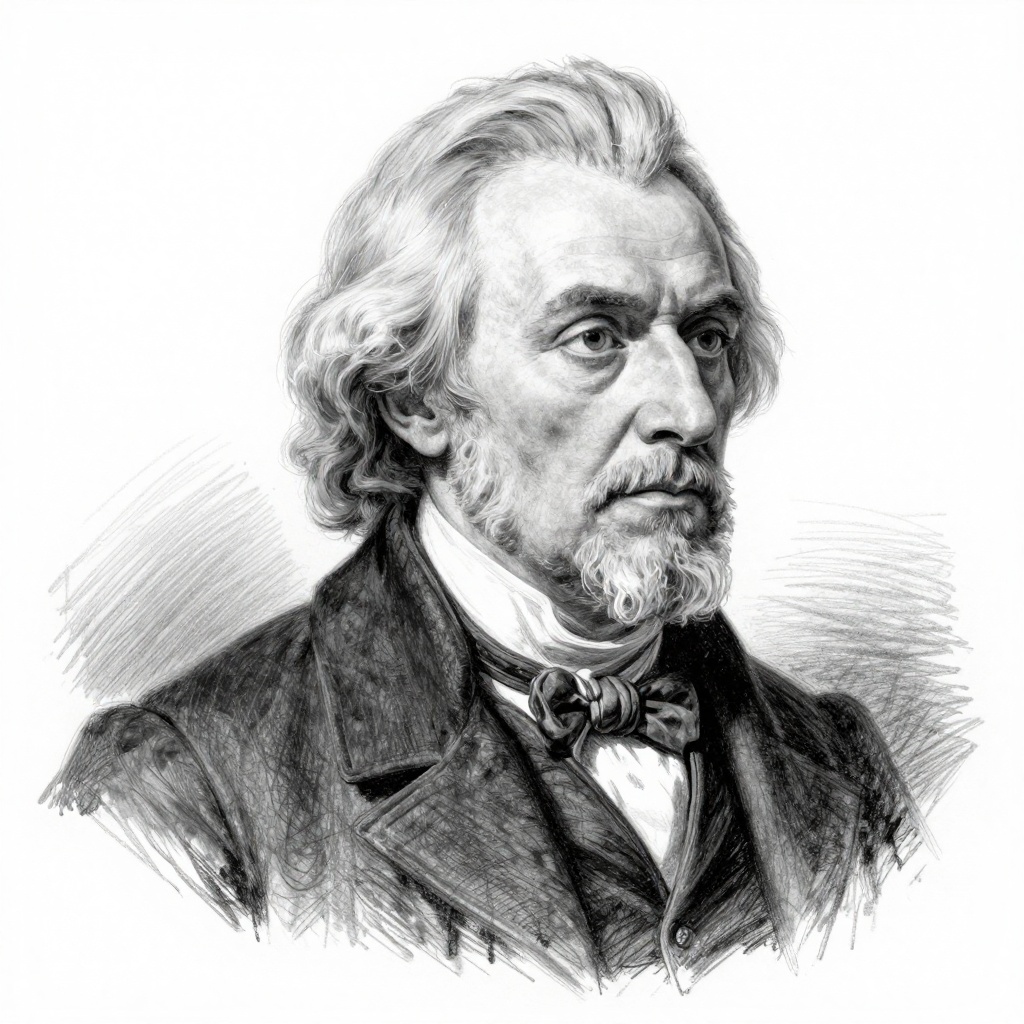
Immanuel Kant (1724–1804) was a German philosopher known for his work in metaphysics, ethics, and epistemology. He is considered one of the most influential thinkers in the history of Western philosophy, particularly for his ideas on the nature of knowledge, morality, and the mind.
Comments