Quote · Added 14 February 2026
But although all our knowledge begins with experience, it does not follow that it arises from experience.
Immanuel KantCritique of Pure Reason, 1781
Filed underknowledge·experience·philosophy
Quote · Added 14 February 2026
Filed underknowledge·experience·philosophy
We tend to think our brains are blank slates that fill up like containers as we move through the world. Experience pours in, knowledge pours out. But Kant is pointing at something subtler—and more useful—than that. Your mind doesn't just passively record what happens to you. It actively shapes what you see, interpret, and understand. You bring frameworks to experience before experience teaches you anything.
This matters more now than ever, when we're drowning in information. Two people can watch the exact same news story, read the same data, live through the same event, and come away with completely different conclusions. Not because one is lying, but because they're filtering everything through different mental structures they arrived at long before today. Your beliefs about how the world works, your assumptions about what's normal or possible—these aren't drawn from experience alone. They're partly built-in, shaped by culture, previous learning, even innate ways your mind organizes reality.
The practical takeaway isn't to distrust experience. It's to recognize that experience alone won't save you from confusion. You need to occasionally examine the invisible frameworks you're using to make sense of things. That's where real learning begins.
1724–1804·lived 79 years
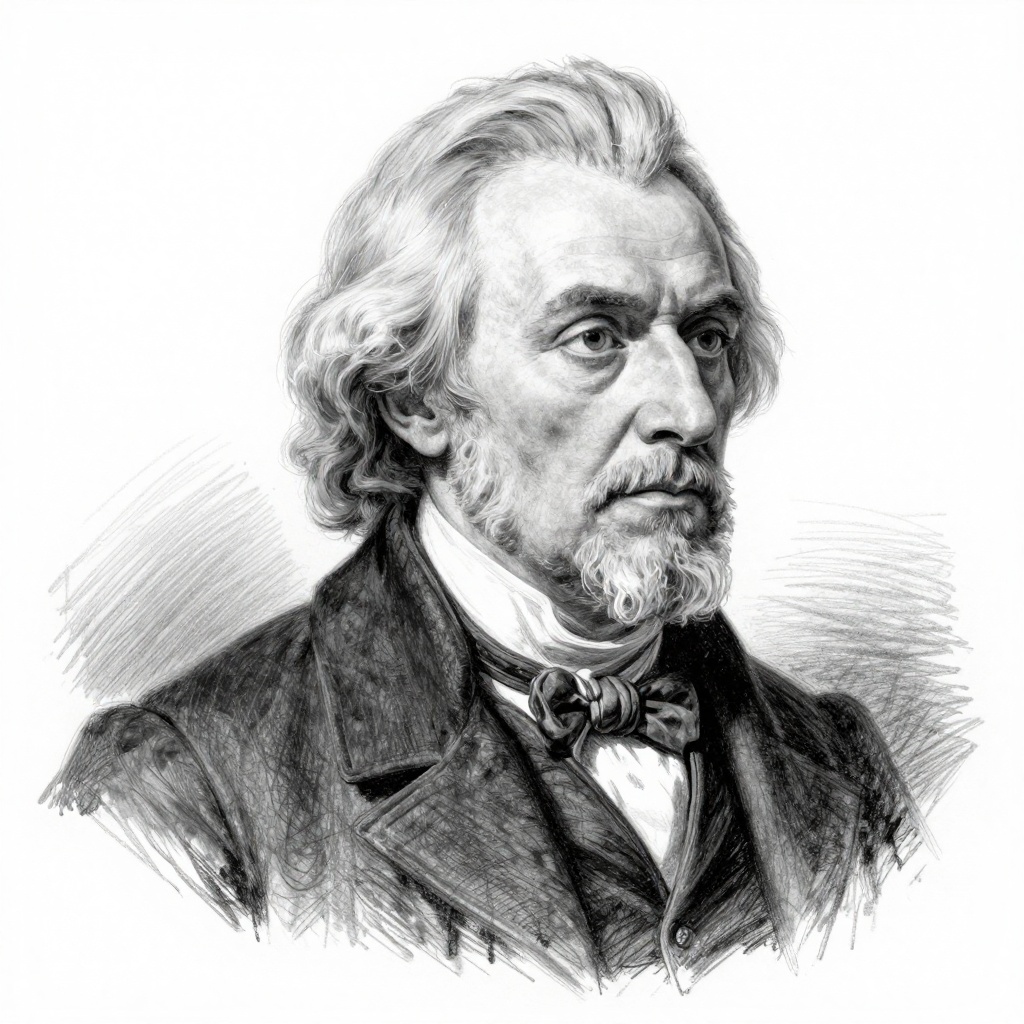
Immanuel Kant (1724–1804) was a German philosopher known for his work in metaphysics, ethics, and epistemology. He is considered one of the most influential thinkers in the history of Western philosophy, particularly for his ideas on the nature of knowledge, morality, and the mind.
Comments