Quote · Added 14 February 2026
Whatever comes from God is impossible for a man to turn back.
HerodotusHistories, Book 1, 430 BC
Filed undergod·fate·inevitability
Quote · Added 14 February 2026
Filed undergod·fate·inevitability
There's something oddly liberating in accepting that some things aren't up to you. We live in a culture obsessed with control—optimizing our routines, managing every outcome, refusing to let circumstances happen to us. But Herodotus points at something deeper: certain events arrive with such inevitability that fighting them becomes the actual problem, not the solution.
Think about the moments when you've wasted real energy resisting something that was already decided. A relationship ending, a job opportunity lost, a health diagnosis, even a difficult season in your life. The resistance itself often becomes the source of suffering, more than the thing itself. Not because you should be passive—planning and effort still matter. But there's a difference between doing what's genuinely in your power and exhausting yourself against the genuinely fixed.
The non-obvious part? Accepting this doesn't make you weak or defeated. It actually frees up tremendous energy. Once you stop demanding that reality be different than it is, you can finally work with what's actually in front of you. That freed-up mental space is where real resilience lives—not in the fantasy of total control, but in clarity about what can actually be influenced and what simply has to be survived and integrated into your story.
2004–425 BC
Herodotus was an ancient Greek historian known as the "Father of History." He is best known for his work "The Histories," which is considered one of the earliest works of history in Western literature. Herodotus is credited with pioneering the recording of past events in a factual and narrative form.
Also by Herodotus
Men trust their ears less than their eyes.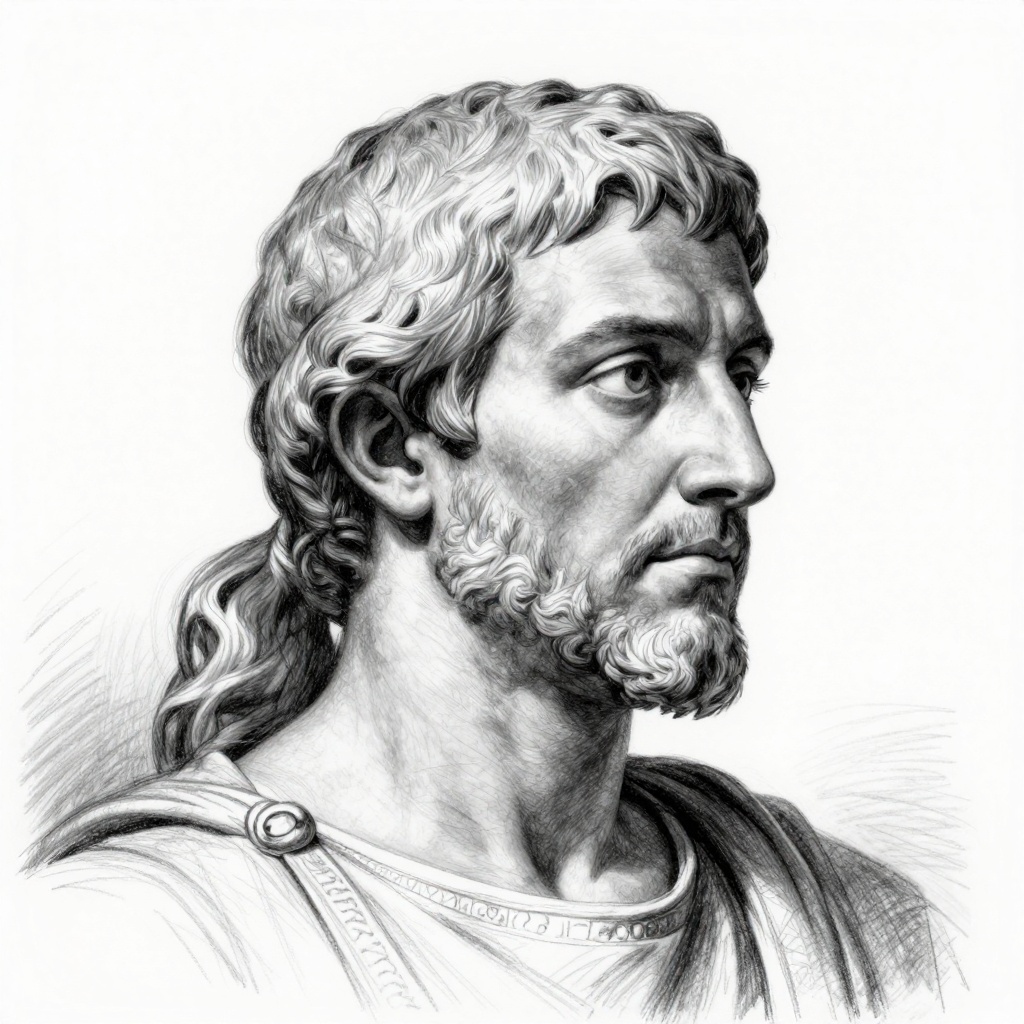
Comments