Quote · Added 14 February 2026
Reading
AI generatedIgnorance is the real enemy
This sounds almost too simple at first—of course knowledge is good, right? But the radical part is what Herodotus is really claiming: that ignorance itself is the root of actual harm. Not selfishness, not cruelty as standalone forces, but the not-knowing that lets those things happen.
Think about the arguments you regret most, or decisions you made and later realized you'd gotten the basic facts wrong. How much different would things have gone if you'd actually understood the situation? The same goes for bigger things: prejudice thrives on not knowing people. Bad policies get implemented because nobody involved understood the consequences. Even most accidents come from someone not grasping what they didn't know. When you trace things back far enough, ignorance is often the culprit.
The tricky part is that this cuts both ways. It means knowledge really does matter—reading, asking questions, staying curious isn't just a nice personal habit, it's almost a moral thing. But it also means that most people doing harm aren't necessarily evil in some deep way; they're just working with incomplete information. That's both humbling and oddly hopeful—it suggests more can change through understanding than through judgment alone.
The author
All 4 quotes by Herodotus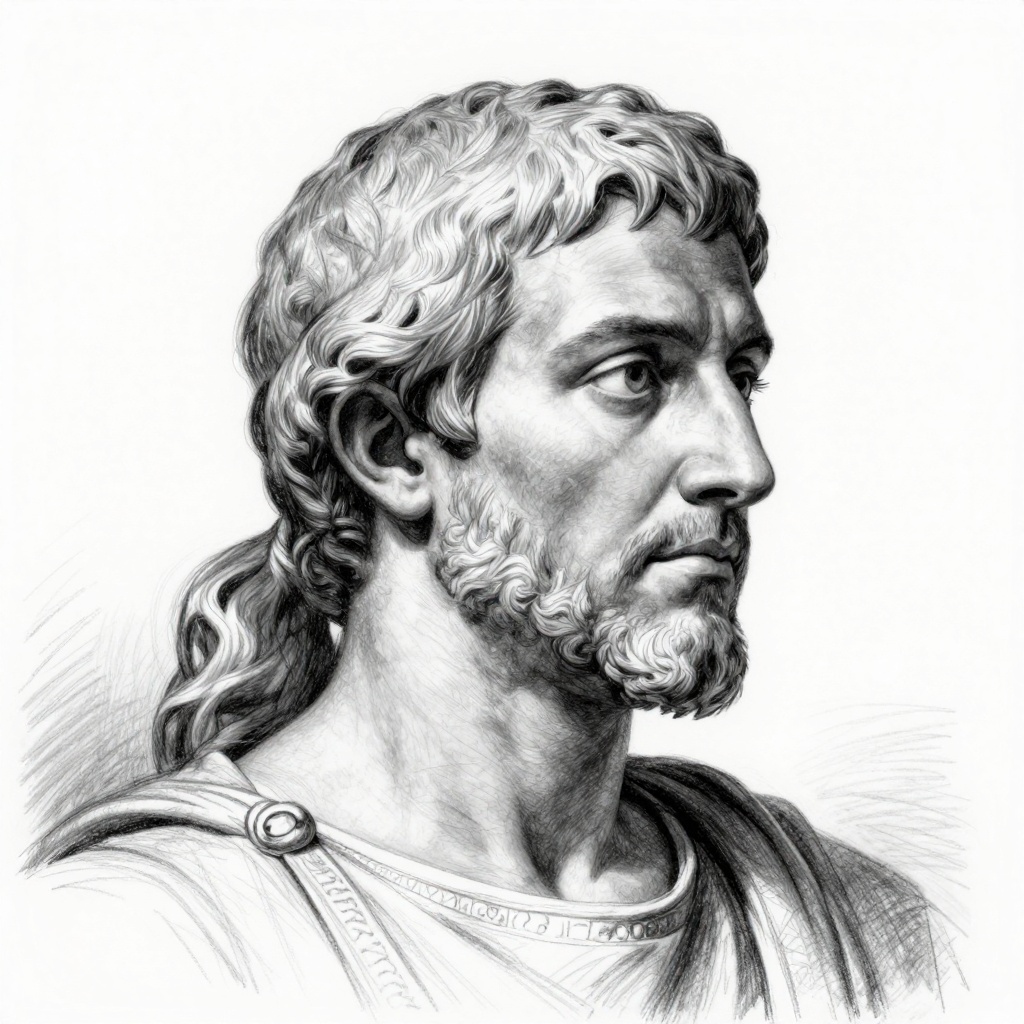
Herodotus
2004–425 BC
Herodotus was an ancient Greek historian known as the "Father of History." He is best known for his work "The Histories," which is considered one of the earliest works of history in Western literature. Herodotus is credited with pioneering the recording of past events in a factual and narrative form.
Also by Herodotus
Men trust their ears less than their eyes.
Comments