Quote · Added 14 February 2026
Men trust their ears less than their eyes.
HerodotusHistories, Book 1, 430 BC
Filed undertrust·perception·reality
Quote · Added 14 February 2026
Filed undertrust·perception·reality
We tend to think we're logical observers of the world, but the truth is we believe what we see far more readily than what we hear. A photo seems like proof; a story feels like it could be spun. This bias runs so deep that we built entire industries around it—marketing, design, visual media—all banking on the fact that watching something unfold feels more real than being told about it.
The tricky part is that this eye-bias can work against us. We might dismiss someone's lived experience because we haven't witnessed it ourselves, yet accept a carefully framed image as gospel. We watch a video clip without context and feel certain we understand the full situation. Meanwhile, the nuanced explanation—the thing that actually requires listening—gets tuned out as mere talk. In our scroll-heavy world, we've only amplified this ancient human tendency. The image gets shared a million times; the correction nobody sees.
The real insight is that trusting our eyes doesn't make us more informed—it just makes us more confident in our incompleteness. Real understanding usually requires both: seeing something AND hearing someone out. When we skip the listening part because we think we've already seen enough, we're just following an old habit dressed up as certainty.
2004–425 BC
Herodotus was an ancient Greek historian known as the "Father of History." He is best known for his work "The Histories," which is considered one of the earliest works of history in Western literature. Herodotus is credited with pioneering the recording of past events in a factual and narrative form.
Also by Herodotus
Whatever comes from God is impossible for a man to turn back.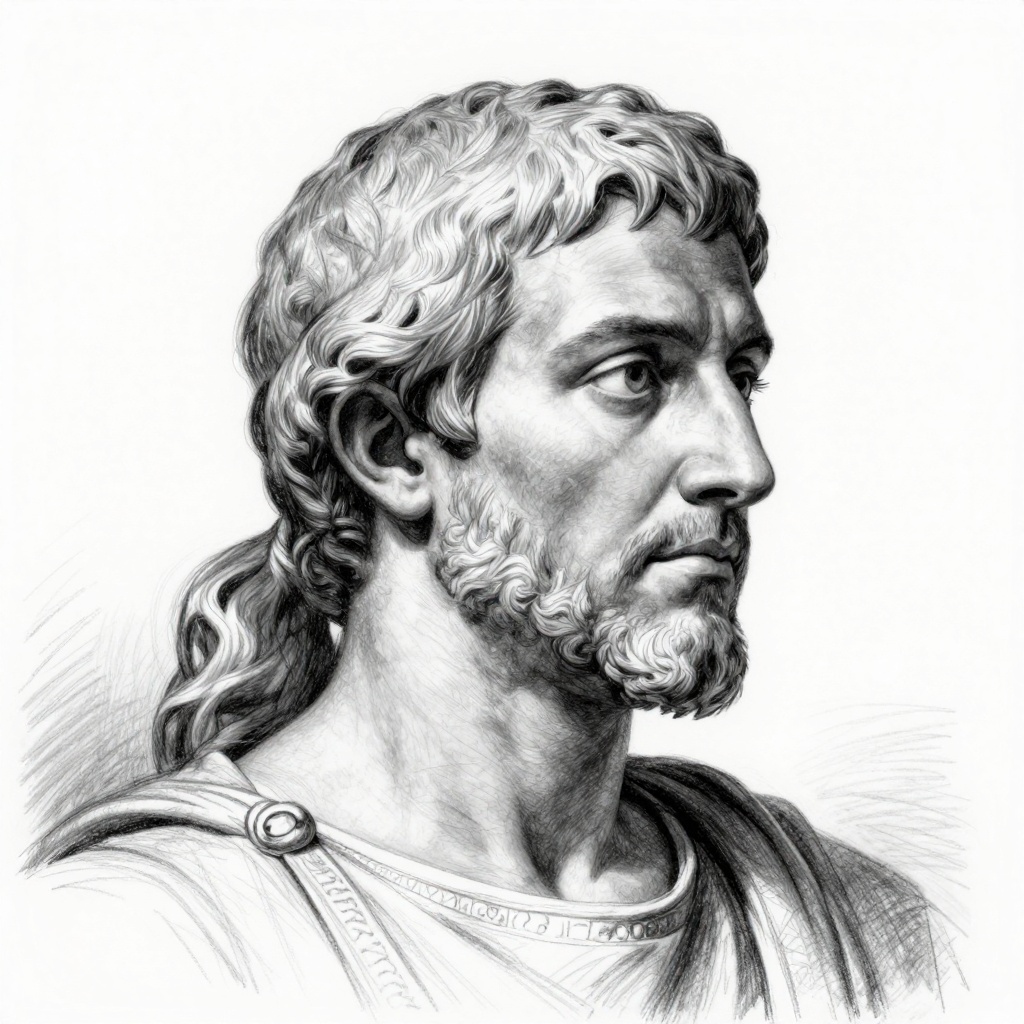
Comments