Quote · Added 11 November 2023
It is better to fail in originality, than to succeed in imitation.
Herman MelvilleHawthorne and His Mosses, 1850
Filed underoriginality·failure·success
Quote · Added 11 November 2023
Filed underoriginality·failure·success
We live in an age of templates. Career paths, relationship milestones, content strategies, even how to spend a weekend—there's always a proven formula waiting to be copied. And it works, at least on the surface. Following the map is safer. But Melville's point cuts deeper than just artistic ambition. He's suggesting that success built on someone else's blueprint comes with a hidden cost: it's not actually yours.
The real tension isn't between failure and success—it's between authenticity and comfort. Imitating what already works feels like the rational choice, especially when the stakes are high. But there's something quietly devastating about nailing someone else's playbook perfectly. You avoid the mess of failure, sure, but you also forfeit the discovery of what only you could create. The original attempt might crash and burn, but it's your crash.
What makes this surprisingly relevant now is how imitation has become invisible. We don't think of ourselves as copying—we're "following best practices" or "learning from what works." Yet Melville understood something we keep forgetting: the world doesn't need another perfect replica. It needs the specific, risky thing that only emerges when you're willing to be awkwardly, publicly wrong in your own way.
1819–1891·lived 72 years
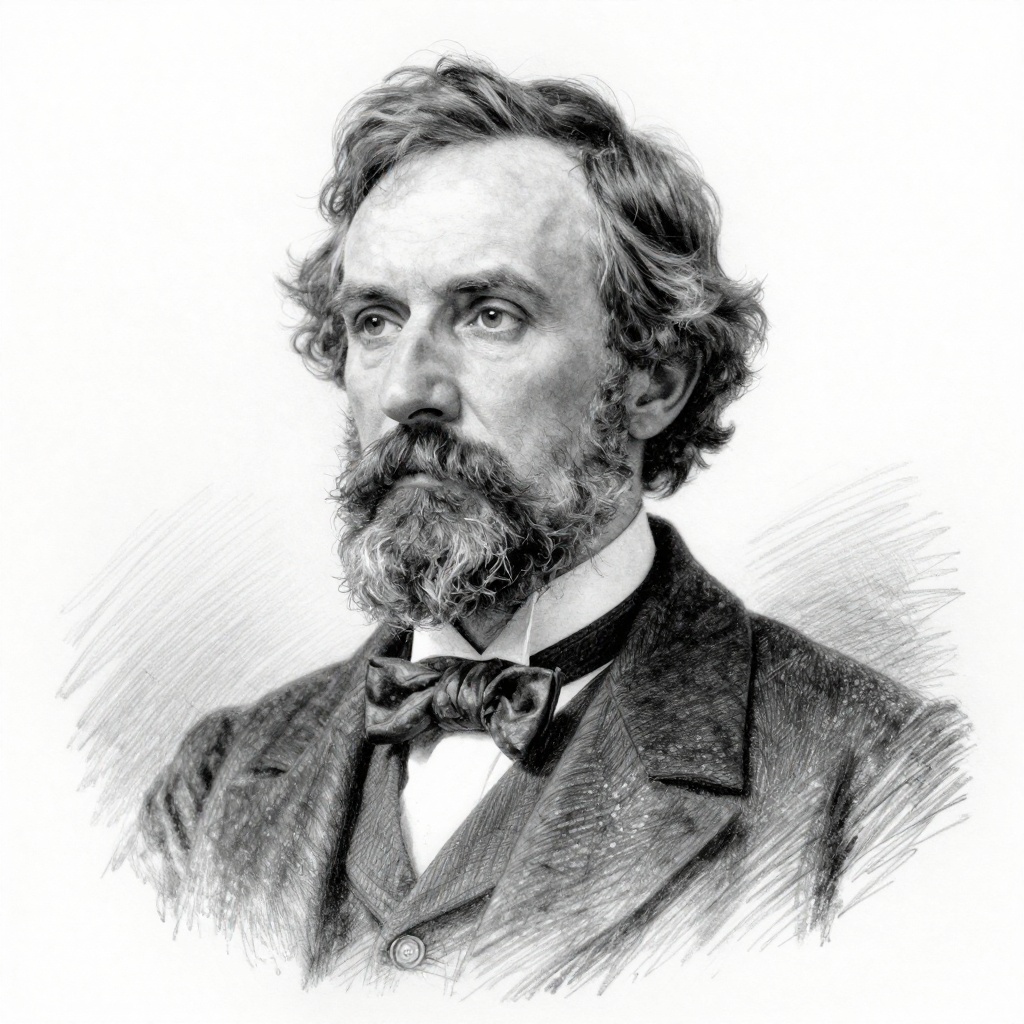
Herman Melville was an American writer and novelist best known for his masterpiece "Moby-Dick," a novel that explores themes of obsession, revenge, and the nature of good and evil. Melville's works are also celebrated for their philosophical depth and intricate prose style, solidifying his place as one of the greatest American writers of the 19th century.
Comments