Quote · Added 15 March 2026
Consider the subtleness of the sea; how its most dreaded creatures glide under water, unapparent for the most part, and treacherously hidden beneath the loveliest tints of azure.
Filed undersea·danger·perception
Quote · Added 15 March 2026
Filed undersea·danger·perception
There's something unsettling about this image that sticks with you, especially if you've ever felt that creeping unease beneath something beautiful. Melville isn't really talking about sharks or whales—he's pointing at a much more human problem: danger doesn't announce itself. The things that threaten us often arrive wrapped in appeal. We see this everywhere now. A social media platform that feels fun and connective can quietly erode your attention span. A relationship that looks enviable from outside might contain real manipulation. Even our own habits disguise themselves as harmless until they've taken root.
The subtlety matters more than the danger itself. A storm you can see coming lets you prepare. It's the hidden current that gets you. Melville knew that accepting the world's beauty doesn't require ignoring its teeth—it means holding both truths at once. The ocean is genuinely lovely and genuinely lethal. The same goes for most worthwhile things: opportunities that excite us often carry real costs, people who attract us might disappoint us, choices that feel good in the moment can have consequences we can't yet see.
The practical lesson, then, isn't cynicism. It's a kind of tender-eyed realism: look closer at what you're drawn to. Ask what's beneath the lovely tint.
1819–1891·lived 72 years
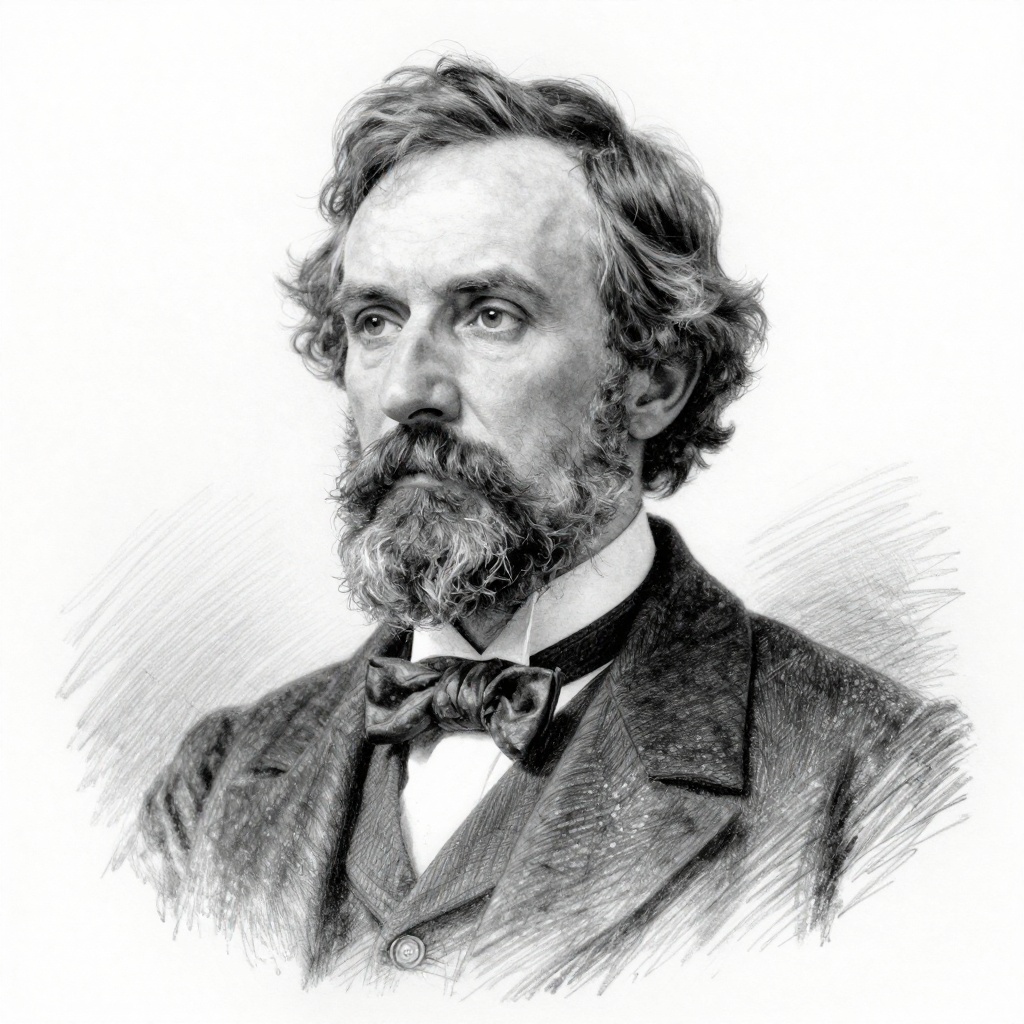
Herman Melville was an American writer and novelist best known for his masterpiece "Moby-Dick," a novel that explores themes of obsession, revenge, and the nature of good and evil. Melville's works are also celebrated for their philosophical depth and intricate prose style, solidifying his place as one of the greatest American writers of the 19th century.
Comments · 1
That's really something for people with thalassophobia, like my wife. 🌊