Quote · Added 15 February 2026
Reading
AI generatedThe longer you live, the less you sleep
There's something unsettling about insomnia in older age—and Melville captures why. The longer we live, the more we accumulate reasons to stay alert. It's not just the body's natural shift toward lighter sleep. It's that accumulated weight of memory, responsibility, and time itself. An older person lying awake at 3 AM isn't just counting sheep; they're partly refusing to surrender to anything that resembles the end.
This tension shows up everywhere in aging. There's often a fierce grip on routine, on staying mentally sharp, on remaining useful—all unconscious ways of insisting on continued relevance. Melville suggests this isn't neurosis or stubbornness, but something deeper: a natural human resistance. The more life you've lived, the more you understand what sleep actually resembles. So you stay vigilant.
The strange part is that this wakefulness might not always be a problem to solve. Maybe it's also an intensification—that after decades of experience, your mind actually has earned the right to move at night, to think, to simply be aware. The insomnia of age sometimes reflects not anxiety, but engagement with being fully, almost defiantly, alive.
The author
All 3 quotes by Herman Melville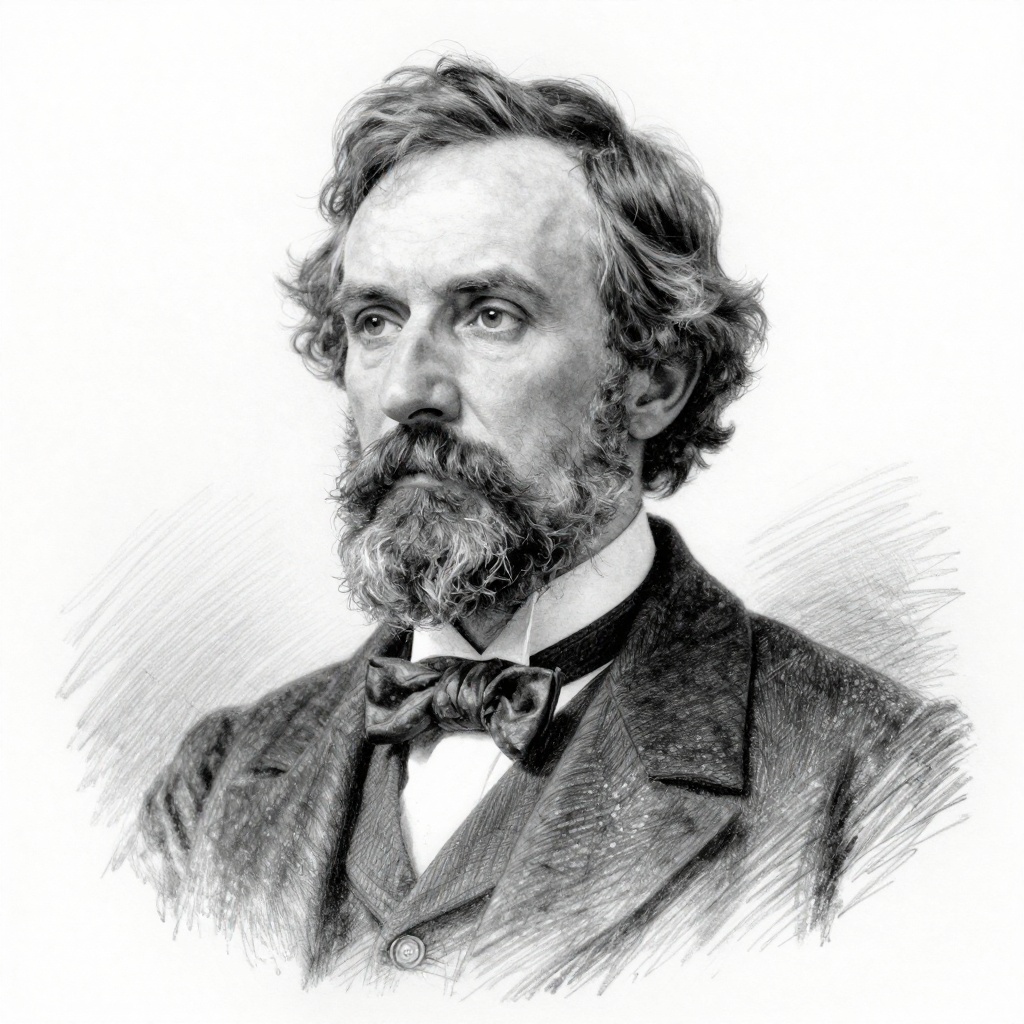
Herman Melville
1819–1891·lived 72 years
Herman Melville was an American writer and novelist best known for his masterpiece "Moby-Dick," a novel that explores themes of obsession, revenge, and the nature of good and evil. Melville's works are also celebrated for their philosophical depth and intricate prose style, solidifying his place as one of the greatest American writers of the 19th century.
Comments