Quote · Added 14 February 2026
All things must change to something new, to something strange.
Henry Wadsworth LongfellowKeramos, p. 42, 1845
Filed underchange·transformation·uncertainty
Quote · Added 14 February 2026
Filed underchange·transformation·uncertainty
We often talk about change as though it's a single thing—a career pivot, a move, a breakup. But Longfellow is pointing at something subtler: change isn't just about swapping one version of normal for another. It requires us to become genuinely strange to ourselves. The person who emerges from a major life shift isn't just reorganized; they're unfamiliar. And that strangeness is actually the whole point.
This matters because we spend so much energy trying to change while staying fundamentally recognizable—to ourselves and others. We want to lose weight without becoming "that person who counts calories." We want better boundaries without being seen as difficult. We want growth that doesn't require us to get weird. But real transformation has always required some foreignness. The versions of ourselves that matter most usually emerged when we stopped fighting the oddness and leaned into it instead.
The relief in accepting this is real. You don't have to engineer a smooth transition. You're not failing if you feel strange to yourself. That strangeness isn't evidence you're doing something wrong—it's evidence you're actually doing something.
1807–1882·lived 75 years
Henry Wadsworth Longfellow was an American poet and educator known for his lyric poems, including "Paul Revere's Ride," "The Song of Hiawatha," and "The Cross of Snow." He was one of the most popular and widely read poets of his time, celebrated for his ability to capture the spirit of American life and history in his works.
Also by Henry Wadsworth Longfellow
If you would hit the mark, you must aim a little above it.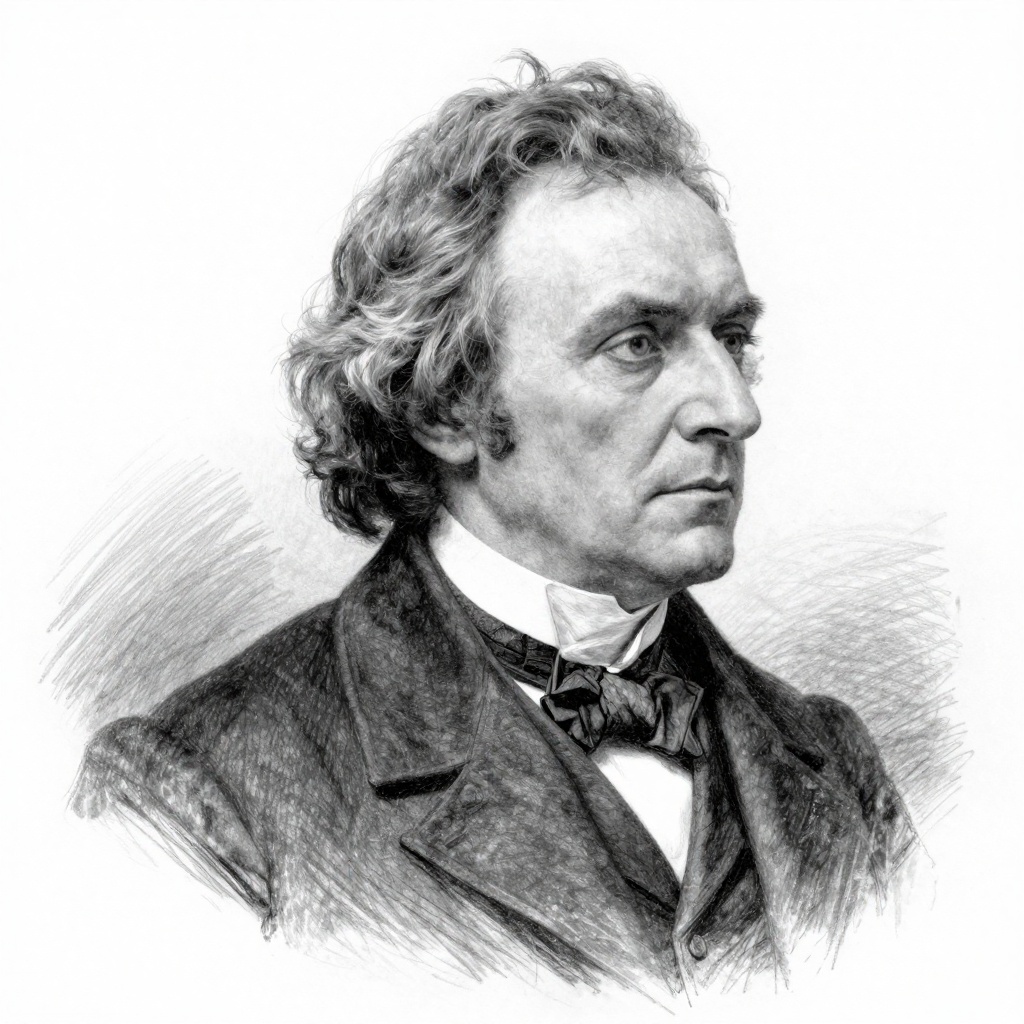
Comments