Quote · Added 15 February 2026
It takes less time to do a thing right, than it does to explain why you did it wrong.
Filed undertime·diligence·accountability
Quote · Added 15 February 2026
Filed undertime·diligence·accountability
We've all been there: rushing through a task, cutting corners because we're pressed for time, then spending twice as long afterward explaining, apologizing, or fixing what we broke. The irony is painful. That email sent without a second read. The shelf installed crooked. The promise made we couldn't keep. What seemed like a shortcut becomes the long way around.
The real insight here isn't about perfectionism or obsessive care. It's about the hidden costs of half-measures. When you do something sloppily, you don't just create a problem—you create a story you have to tell, a relationship you have to repair, maybe even extra work. Your reputation takes a small hit. People doubt you next time. Doing it right the first time feels slower in the moment, but it actually moves you forward. You're done. It's over. No cleanup required.
This hits different in our speed-obsessed culture, where multitasking and quick turnarounds feel like virtues. But notice how often the people you actually trust most are the ones who rarely need to explain themselves. They're not necessarily slower. They're just scarce with their "sorry" and their do-overs.
1807–1882·lived 75 years
Henry Wadsworth Longfellow was an American poet and educator known for his lyric poems, including "Paul Revere's Ride," "The Song of Hiawatha," and "The Cross of Snow." He was one of the most popular and widely read poets of his time, celebrated for his ability to capture the spirit of American life and history in his works.
Also by Henry Wadsworth Longfellow
If you would hit the mark, you must aim a little above it.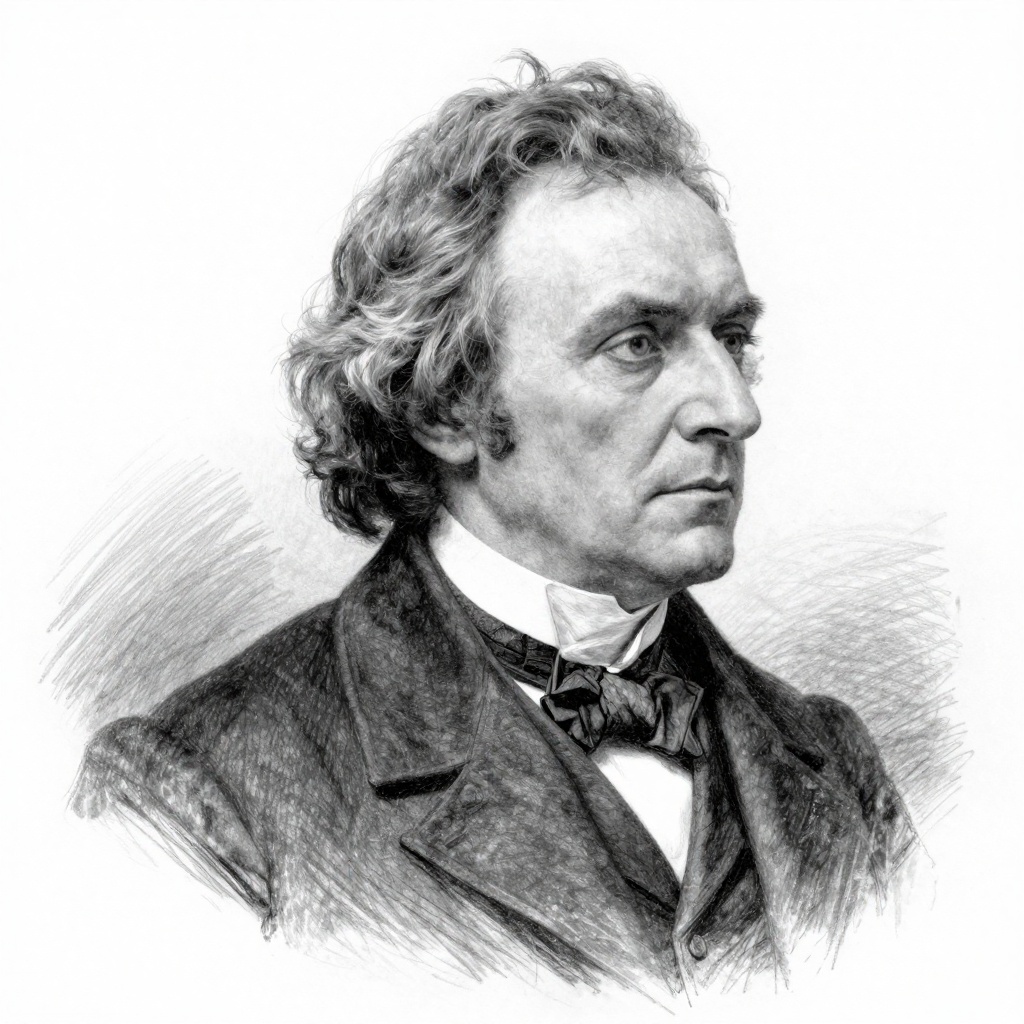
Comments