Quote · Added 15 February 2026
Every man has his secret sorrows which the world knows not; and often times we call a man cold when he is only sad.
Filed undersorrow·sadness·perception
Quote · Added 15 February 2026
Filed undersorrow·sadness·perception
We've all done it—written someone off as distant or unfriendly, only to learn later they were going through something brutal. That colleague who seemed aloof in meetings? Their marriage was falling apart. The friend who stopped reaching out? They were drowning in anxiety. It's one of the easiest mistakes we make, because pain doesn't announce itself with a megaphone. It often looks like coldness instead.
The tricky part is that sadness and withdrawal can feel almost identical from the outside. When you're hurting, you often pull inward—you have less energy for small talk, fewer smiles to spare, a harder time pretending everything's fine. To someone who doesn't know what's happening, this just reads as aloofness. And we're quick to judge what we don't understand, filing people away as "not warm" or "standoffish" without ever asking what's actually going on beneath the surface.
This quote is a quiet reminder to assume the best in people's struggles rather than their character. Before deciding someone is cold, it's worth wondering what secret weight they might be carrying. It won't change how they're acting, but it changes how we meet them—with curiosity instead of judgment, grace instead of distance.
1807–1882·lived 75 years
Henry Wadsworth Longfellow was an American poet and educator known for his lyric poems, including "Paul Revere's Ride," "The Song of Hiawatha," and "The Cross of Snow." He was one of the most popular and widely read poets of his time, celebrated for his ability to capture the spirit of American life and history in his works.
Also by Henry Wadsworth Longfellow
If you would hit the mark, you must aim a little above it.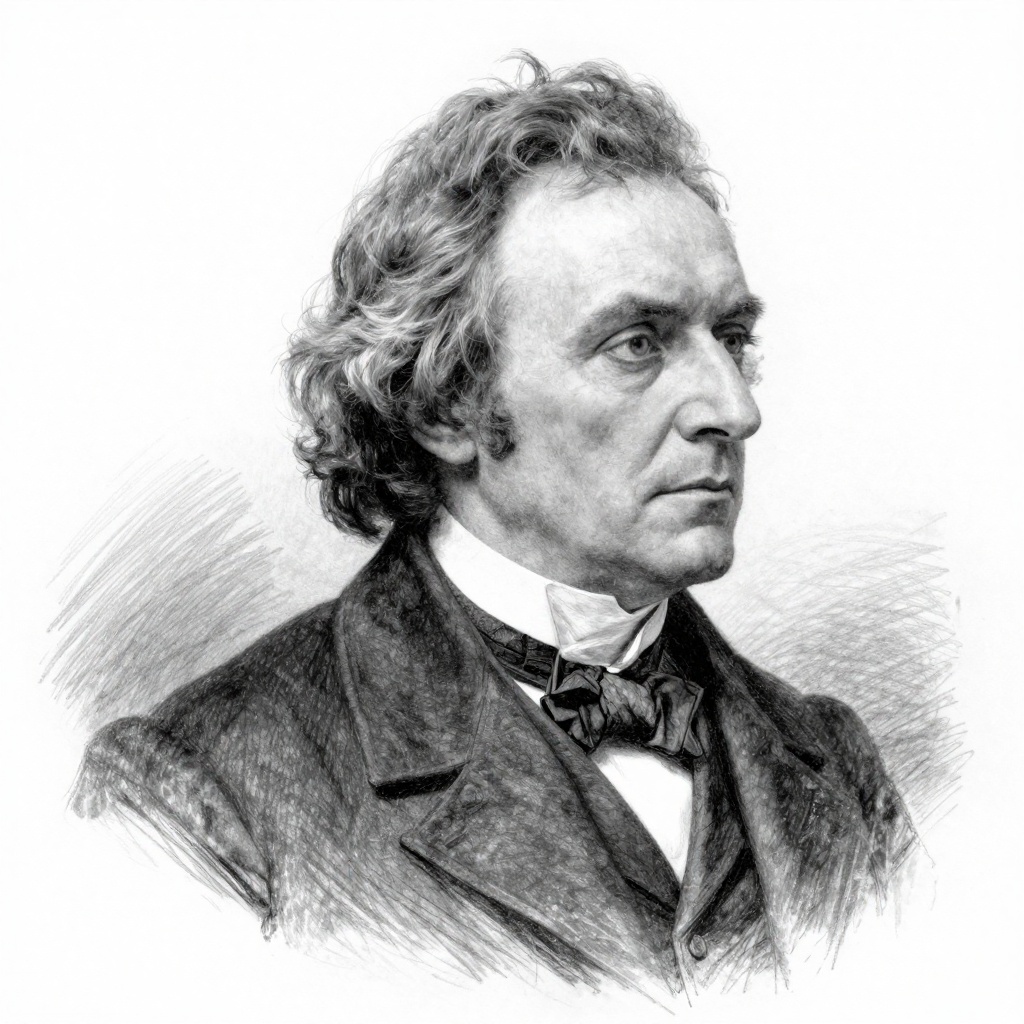
Comments