Quote · Added 28 February 2026
Reading
AI generatedAim higher to hit your mark
We live in a culture that celebrates hitting targets—making the goal, meeting the deadline, checking the box. But Longfellow's observation suggests that aiming exactly at what you want is actually a recipe for falling short. The physics are real: gravity pulls arrows down, wind pushes them sideways, and your own tension at the moment of release affects the trajectory. But there's something deeper here about human nature.
When you aim precisely at a goal, you're already accounting for failure in your mind. You're being "realistic." But realistic often means resigned. Aiming slightly above means you're building in a buffer of ambition—you're shooting for mastery instead of competence, for genuine understanding instead of just passing the test, for a relationship that actually thrives instead of one that merely survives. The paradox is that this "unrealistic" aim is what actually gets you to the realistic goal.
This matters in small ways too. When you commit to exercise, aim for a harder version than you think you need. When you prepare for a conversation that matters, over-prepare. When you set a deadline for yourself, give it less time than feels comfortable. Aiming above the mark isn't about perfectionism or burnout—it's about recognizing that our default setting is to underestimate what we're capable of, and what the moment requires.
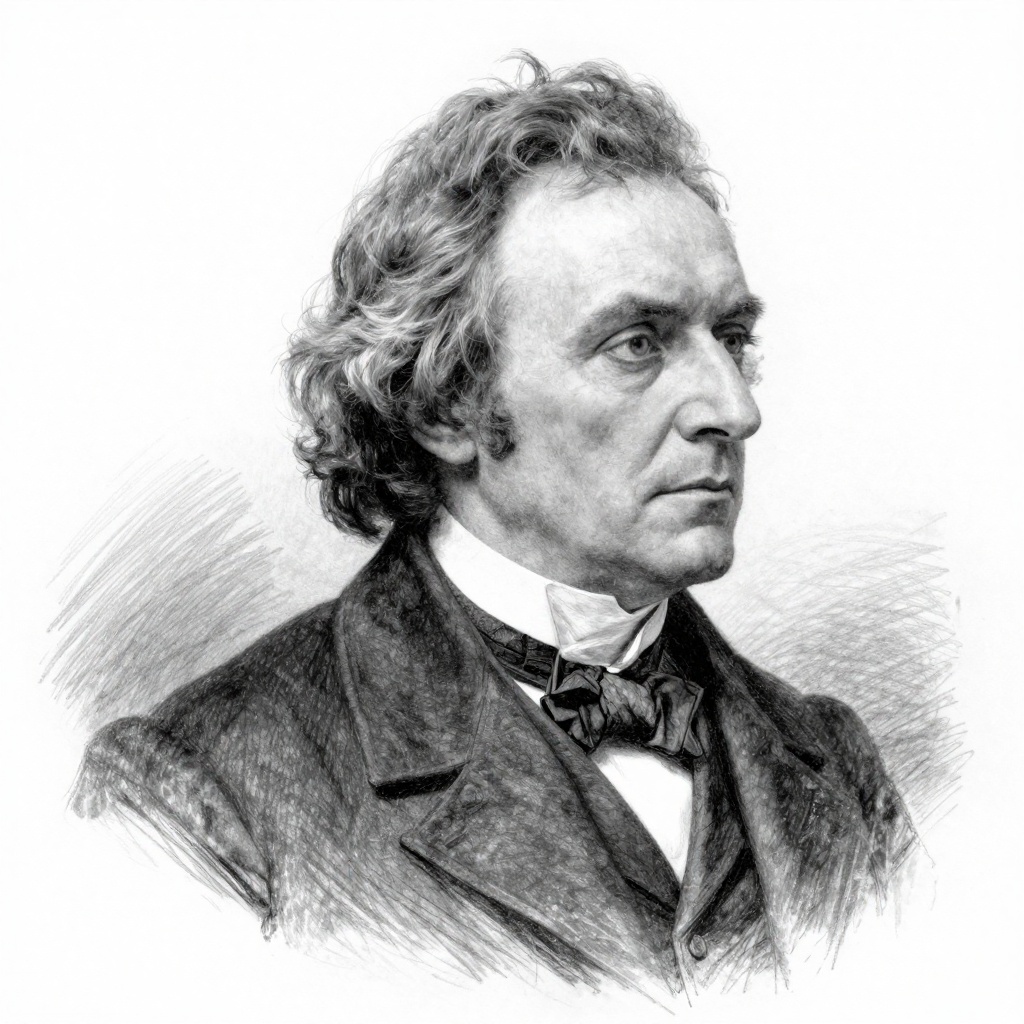
Henry Wadsworth Longfellow
1807–1882·lived 75 years
Henry Wadsworth Longfellow was an American poet and educator known for his lyric poems, including "Paul Revere's Ride," "The Song of Hiawatha," and "The Cross of Snow." He was one of the most popular and widely read poets of his time, celebrated for his ability to capture the spirit of American life and history in his works.
Also by Henry Wadsworth Longfellow
It takes less time to do a thing right, than it does to explain why you did it wrong.
Comments