Quote · Added 8 February 2026
A single conversation across the table with a wise man is better than ten years mere study of books.
Henry Wadsworth LongfellowHyperion, 1839
Filed underconversation·wisdom·learning
Quote · Added 8 February 2026
Filed underconversation·wisdom·learning
There's something in us that recognizes the difference between knowing something and getting something. You can read a hundred self-help books about resilience, but one conversation with someone who's actually rebuilt their life after failure hits differently. They show you the small hesitations, the contradictions, the real texture of the thing—not the polished version you'd write down in a book.
This matters more now than when Longfellow wrote it, oddly enough. We have infinite access to information, which tricks us into thinking we have wisdom. But wisdom isn't transferable as data. It lives in the pause before someone answers, in how they hold complexity without needing to simplify it. When a mentor or a thoughtful friend tells you something hard about yourself, you feel the weight of their experience backing it up. There's accountability in the room that a book can never create.
The twist is that this doesn't mean books are useless—it means they're best as preparation. Read widely to sharpen your questions, then seek out someone who's lived the answer. The conversation works because someone cares enough to meet you where you actually are, not where the chapter assumes you should be.
1807–1882·lived 75 years
Henry Wadsworth Longfellow was an American poet and educator known for his lyric poems, including "Paul Revere's Ride," "The Song of Hiawatha," and "The Cross of Snow." He was one of the most popular and widely read poets of his time, celebrated for his ability to capture the spirit of American life and history in his works.
Also by Henry Wadsworth Longfellow
If you would hit the mark, you must aim a little above it.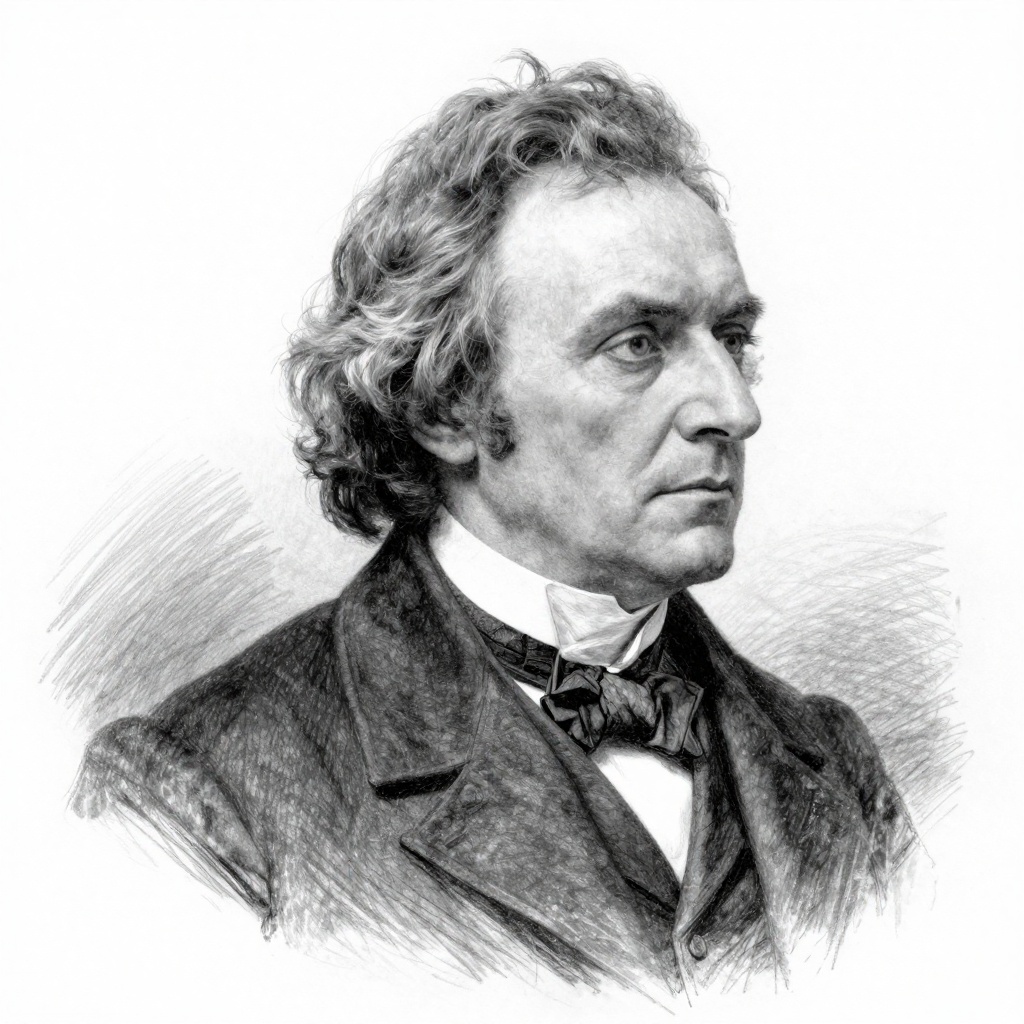
Comments