Quote · Added 14 February 2026
What lies behind us and what lies ahead of us are tiny matters compared to what lives within us.
Henry David ThoreauThe Journals of Henry David Thoreau, p. 99, 1962
No ratings yet
Filed underwithin·perspective·self
Quote · Added 14 February 2026
Filed underwithin·perspective·self
There's a temptation in modern life to treat your circumstances like they're everything—the job you didn't get, the rejection, the unfair thing that happened last year, or the uncertain future ahead. We obsess over these external facts as though they're the primary measurement of who we are. But Thoreau's point cuts against this completely. What actually shapes your life, and what you can actually control, happens in the invisible interior. Your character, your values, how you choose to think about difficulty, what you decide matters—these aren't side effects of your life. They're the main event.
This lands differently depending on where you are. If you're stuck in regret, it's permission to stop treating the past like a life sentence. If you're paralyzed by what might happen next, it's a reminder that your response to uncertainty is more influential than the uncertainty itself. The unsettling part is that this also means we're responsible for more than we'd sometimes like to admit. You can't always control what happens to you, but the person you become while it's happening? That's almost entirely on you. That's both the freedom and the weight in what Thoreau is saying.
1817–1862·lived 44 years
Henry David Thoreau was an American essayist, poet, and philosopher, known for his transcendentalist writings advocating for individualism, nature appreciation, and civil disobedience. He is best known for his book "Walden, or Life in the Woods," which reflects on simple living in natural surroundings and has inspired generations of environmentalists and activists.
Also by Henry David Thoreau
That man is richest whose pleasures are cheapest.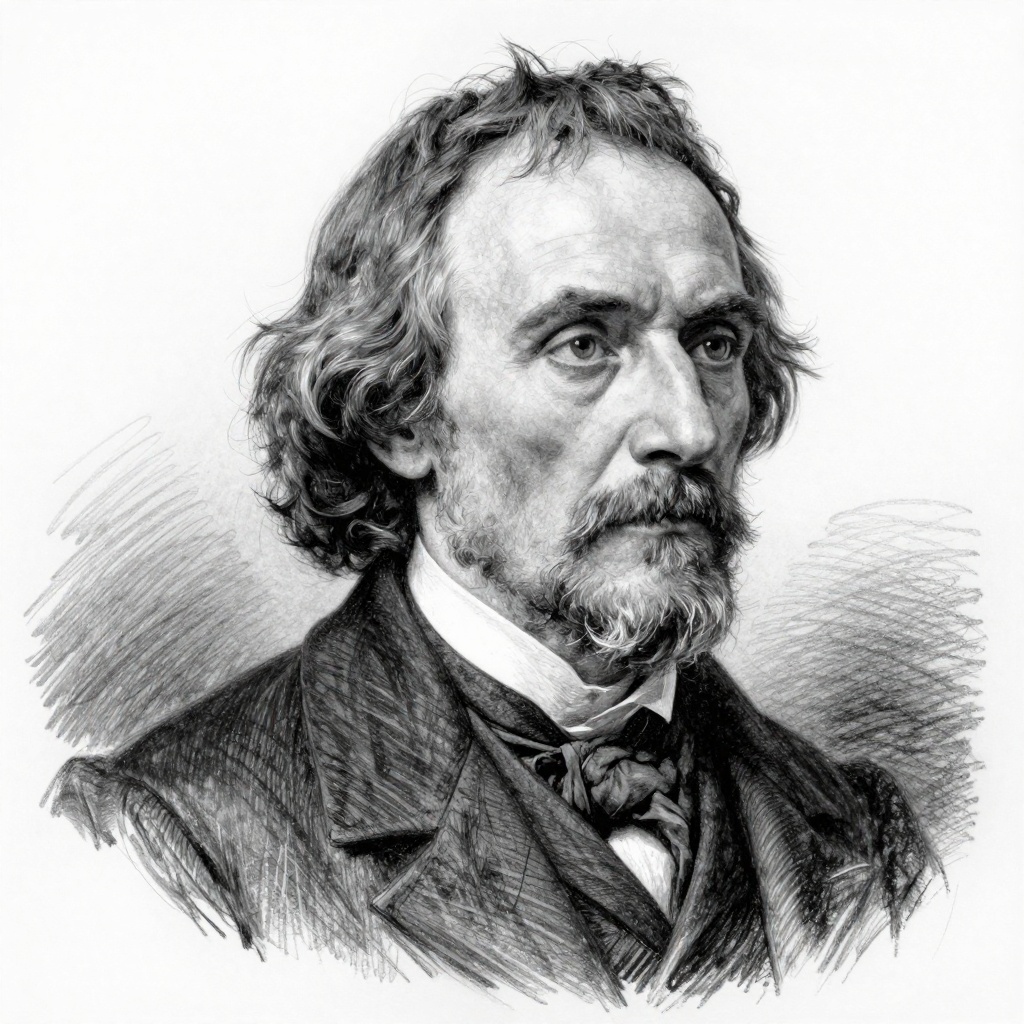
Comments