Quote · Added 10 February 2026
What is called genius is the abundance of life and health.
No ratings yet
Quote · Added 10 February 2026
We tend to imagine genius as something rare and mysterious—a lightning bolt of talent that strikes a lucky few. But Thoreau is pointing at something simpler and more hopeful: genius is just what happens when someone has real energy and vitality. It's not a special gift bestowed at birth. It's the natural overflow of a person who feels alive.
This reframes why so many brilliant ideas come during a walk, or why creative breakthroughs happen after we've slept well or exercised. When we're depleted—scrolling at midnight, stressed, eating poorly, stuck indoors—we don't just feel tired. We literally think differently. Our capacity to notice connections, to see problems fresh, to generate anything worth calling original just dims. Genius, by this measure, isn't mysterious at all. It's adjacent to health.
The tricky part is that our culture often treats vitality as optional, something to reclaim after we've already overcommitted ourselves. But if Thoreau is right, rest isn't laziness or self-indulgence—it's the actual infrastructure of good thinking. Protecting your sleep, moving your body, spending time outside: these aren't distractions from your real work. They might be the most important work you do.
1817–1862·lived 44 years
Henry David Thoreau was an American essayist, poet, and philosopher, known for his transcendentalist writings advocating for individualism, nature appreciation, and civil disobedience. He is best known for his book "Walden, or Life in the Woods," which reflects on simple living in natural surroundings and has inspired generations of environmentalists and activists.
Also by Henry David Thoreau
That man is richest whose pleasures are cheapest.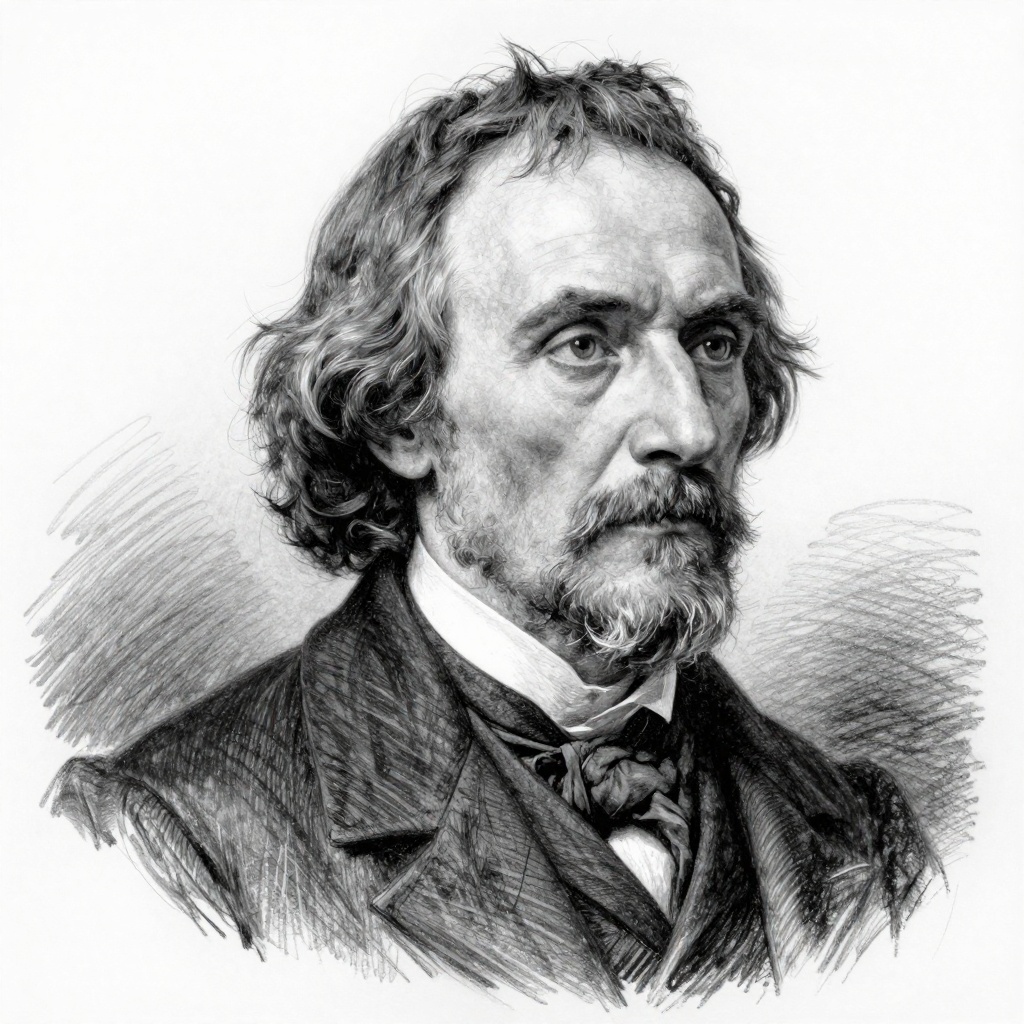
Comments