Quote · Added 14 February 2026
Wealth is the ability to fully experience life.
Henry David ThoreauWalden, p. 220, 1854
No ratings yet
Filed underwealth·experience·life
Quote · Added 14 February 2026
Filed underwealth·experience·life
Most of us think wealth means money in the bank, but Thoreau flips that on its head. Real wealth, he's saying, is having the freedom and presence to actually live—to taste your coffee, notice the light through trees, have a conversation that goes somewhere, or spend an afternoon doing nothing in particular. It's less about accumulation and more about availability.
The tricky part is that this kind of wealth doesn't always require being rich in the traditional sense. A person stressed and overcommitted, constantly checking their phone and rushing between obligations, might be financially comfortable but utterly poor in this deeper way. Meanwhile, someone with far less money but flexible time and genuine curiosity might be genuinely wealthy. The difference isn't the bank account—it's whether you're actually present for your own life.
What makes this harder today is that we've convinced ourselves these two wealths move together. We sacrifice the second kind (time, presence, the ability to pause) to chase the first (money), assuming we'll convert it later. But that rarely happens the way we imagined. The question worth asking isn't "Am I earning enough?" but "Can I actually experience the life I'm living?"
1817–1862·lived 44 years
Henry David Thoreau was an American essayist, poet, and philosopher, known for his transcendentalist writings advocating for individualism, nature appreciation, and civil disobedience. He is best known for his book "Walden, or Life in the Woods," which reflects on simple living in natural surroundings and has inspired generations of environmentalists and activists.
Also by Henry David Thoreau
That man is richest whose pleasures are cheapest.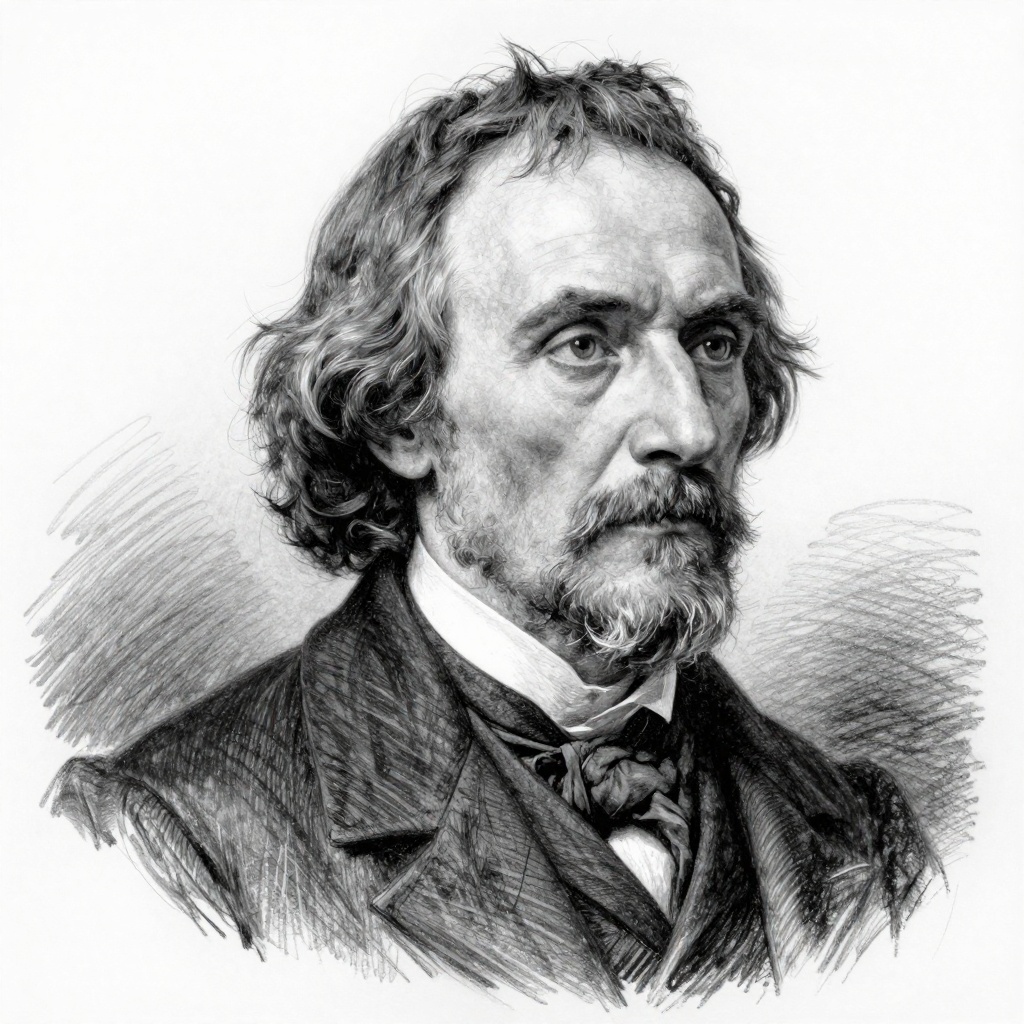
Comments