Quote · Added 14 February 2026
There is no remedy for love but to love more.
Henry David ThoreauA Week on the Concord and Merrimack Rivers, p. 123, 1849
No ratings yet
Quote · Added 14 February 2026
When you're stuck on someone, the last thing you want to hear is that the answer isn't to get over them—it's to lean in. But Thoreau's point isn't actually that romantic. He's describing something we experience all the time: the only way out of an emotional hole is usually deeper into feeling, not around it.
Think about any time you've tried to suppress something that matters to you. The more you resist the feeling, the more it grows in your mind, becomes distorted, takes up space. But when you actually sit with what you're experiencing—when you acknowledge it fully instead of fighting it—something shifts. The feeling loses its stranglehold. This applies to love, yes, but also to grief, fear, or even anger. The resistance is what keeps us stuck.
There's also a quietly radical suggestion here: that love itself is the antidote to love's pain. Not distraction, not time, not moving on before you're ready—but actually allowing yourself to feel the depth of what you care about. This transforms it from something that's happening to you into something you're actually choosing to experience. That distinction, small as it sounds, can change everything.
1817–1862·lived 44 years
Henry David Thoreau was an American essayist, poet, and philosopher, known for his transcendentalist writings advocating for individualism, nature appreciation, and civil disobedience. He is best known for his book "Walden, or Life in the Woods," which reflects on simple living in natural surroundings and has inspired generations of environmentalists and activists.
Also by Henry David Thoreau
That man is richest whose pleasures are cheapest.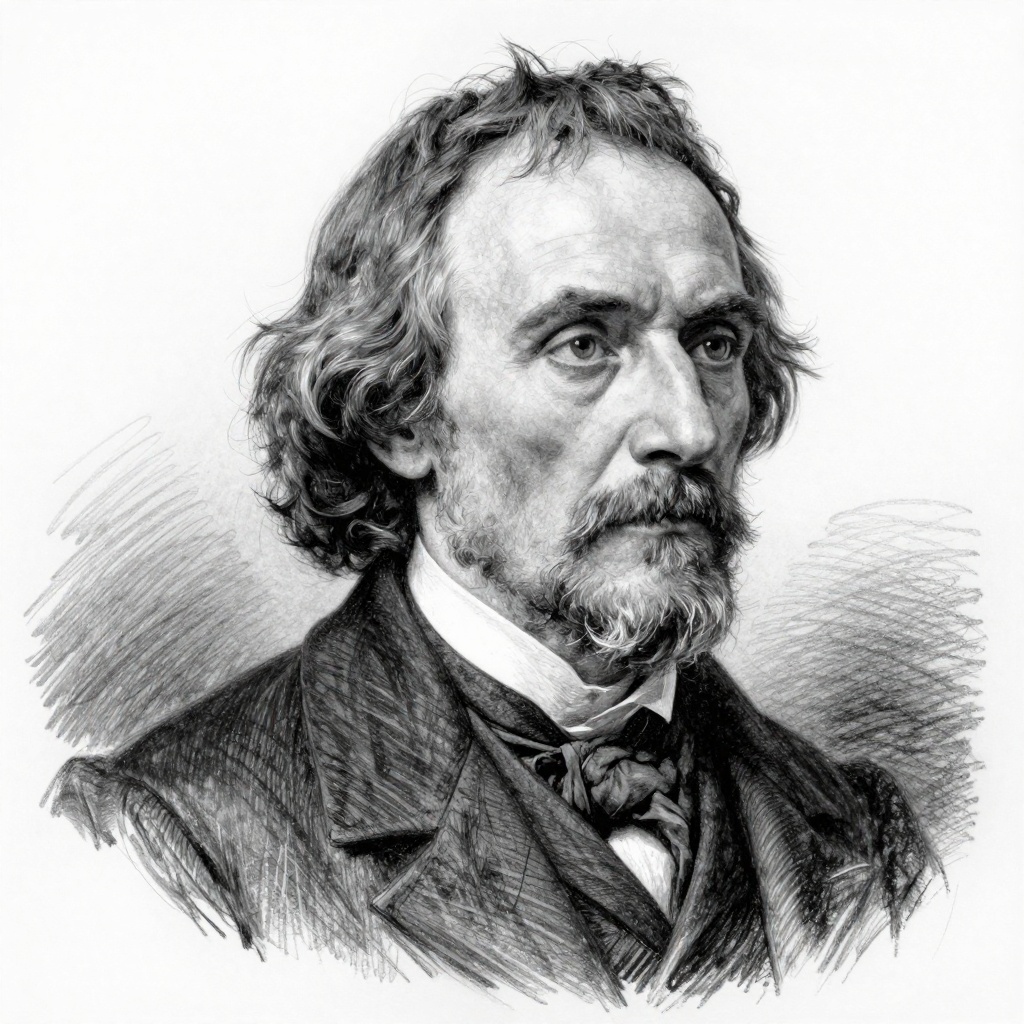
Comments