Quote · Added 14 February 2026
The mass of men lead lives of quiet desperation. What is called resignation is confirmed desperation.
Henry David ThoreauWalden, p. 86, 1854
No ratings yet
Filed underdesperation·resignation·existence
Quote · Added 14 February 2026
Filed underdesperation·resignation·existence
Most people aren't miserable in ways that grab headlines. They're just... stuck. They wake up, go through their routines, and feel a low-grade unhappiness they've learned to call normal. Thoreau's observation cuts because it names something we recognize but rarely say out loud: that quiet acceptance of an unlived life can actually be the most desperate state of all.
Here's what makes this sting: we often confuse resignation with maturity or wisdom. We tell ourselves that giving up on certain dreams is just "being realistic," that settling into a job we tolerate is "growing up." But Thoreau suggests something harder to swallow—that this kind of resignation might be desperation wearing a respectable mask. It's desperation that's stopped struggling, which somehow feels more permanent than active struggle.
The weight of the quote comes from recognizing yourself in it, which most of us do at some point. Not because life is objectively terrible, but because we've narrowed our own possibilities without quite admitting it. The uncomfortable question it raises isn't "Am I unhappy?" but rather "Have I stopped even asking what else might be possible?" That gap between resignation and hopelessness, between accepting reality and accepting a diminished version of yourself—that's where the quiet desperation actually lives.
1817–1862·lived 44 years
Henry David Thoreau was an American essayist, poet, and philosopher, known for his transcendentalist writings advocating for individualism, nature appreciation, and civil disobedience. He is best known for his book "Walden, or Life in the Woods," which reflects on simple living in natural surroundings and has inspired generations of environmentalists and activists.
Also by Henry David Thoreau
That man is richest whose pleasures are cheapest.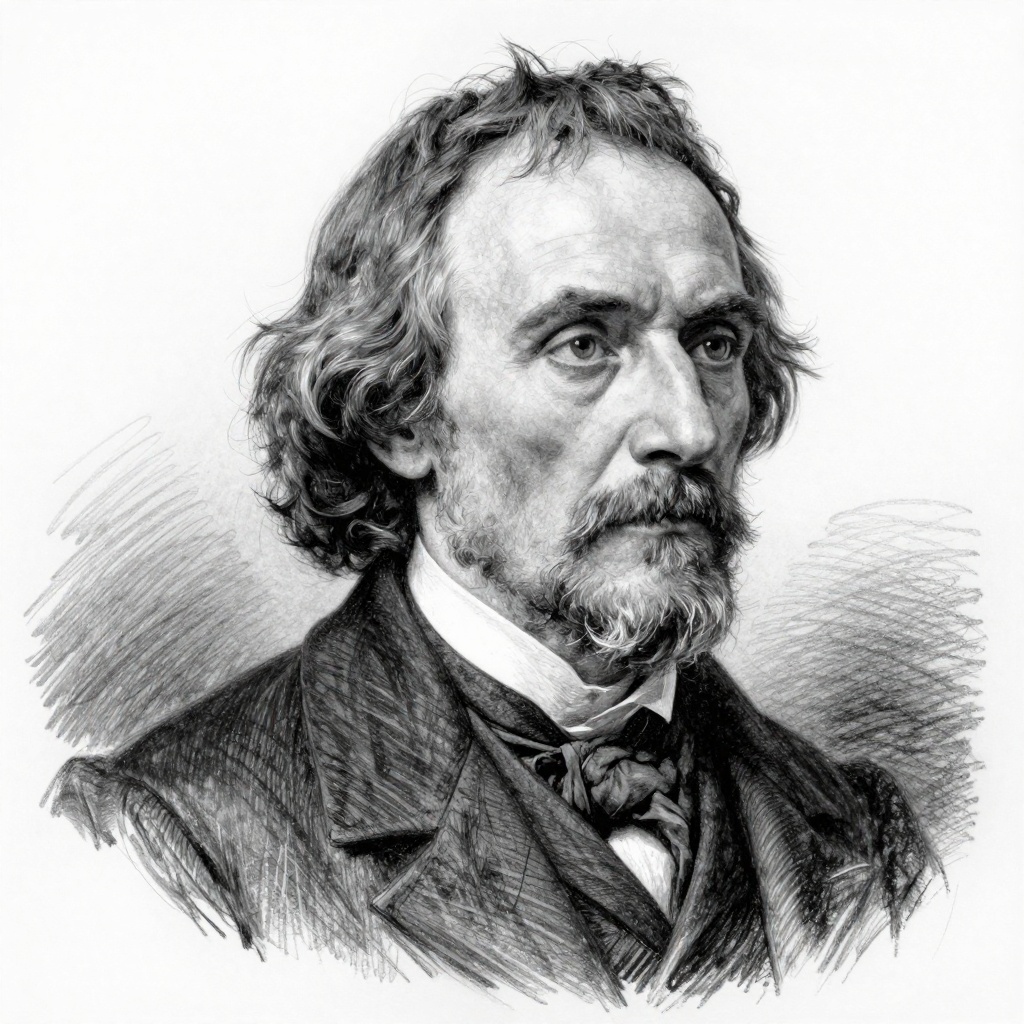
Comments