Quote · Added 12 February 2026
The light which puts out our eyes is darkness to us. Only that day dawns to which we are awake. There is more day to dawn. The sun is but a morning star.
Henry David ThoreauWalden, p. 220, 1854
No ratings yet
Quote · Added 12 February 2026
Most of us move through life half-asleep, mistaking busyness for awareness. We're so accustomed to our routines—the same commute, the same worries, the same scroll through our phones—that we stop actually seeing anything. Thoreau's point cuts deeper than just waking up earlier. He's saying that all the stimulus around us, the constant noise and light and information, can actually blind us to what matters. We mistake activity for living.
The strange part is that this darkness-from-too-much-light happens most to people who think they're the most awake. The successful person grinding toward their goal, the activist drowning in outrage, the social media maven tracking every trending moment—they're all potentially asleep, overwhelmed by their own intensity. Real consciousness, Thoreau suggests, isn't about seeing more. It's about seeing clearly, which requires stillness and genuine attention.
His final image—that there's more day to dawn—isn't pessimism disguised as poetry. It's an invitation. No matter how settled you feel in your life, no matter how thoroughly you think you understand your situation, there's another level of awareness waiting. You haven't seen everything yet. The question isn't whether the sun will rise tomorrow. It's whether you'll actually be awake when it does.
1817–1862·lived 44 years
Henry David Thoreau was an American essayist, poet, and philosopher, known for his transcendentalist writings advocating for individualism, nature appreciation, and civil disobedience. He is best known for his book "Walden, or Life in the Woods," which reflects on simple living in natural surroundings and has inspired generations of environmentalists and activists.
Also by Henry David Thoreau
That man is richest whose pleasures are cheapest.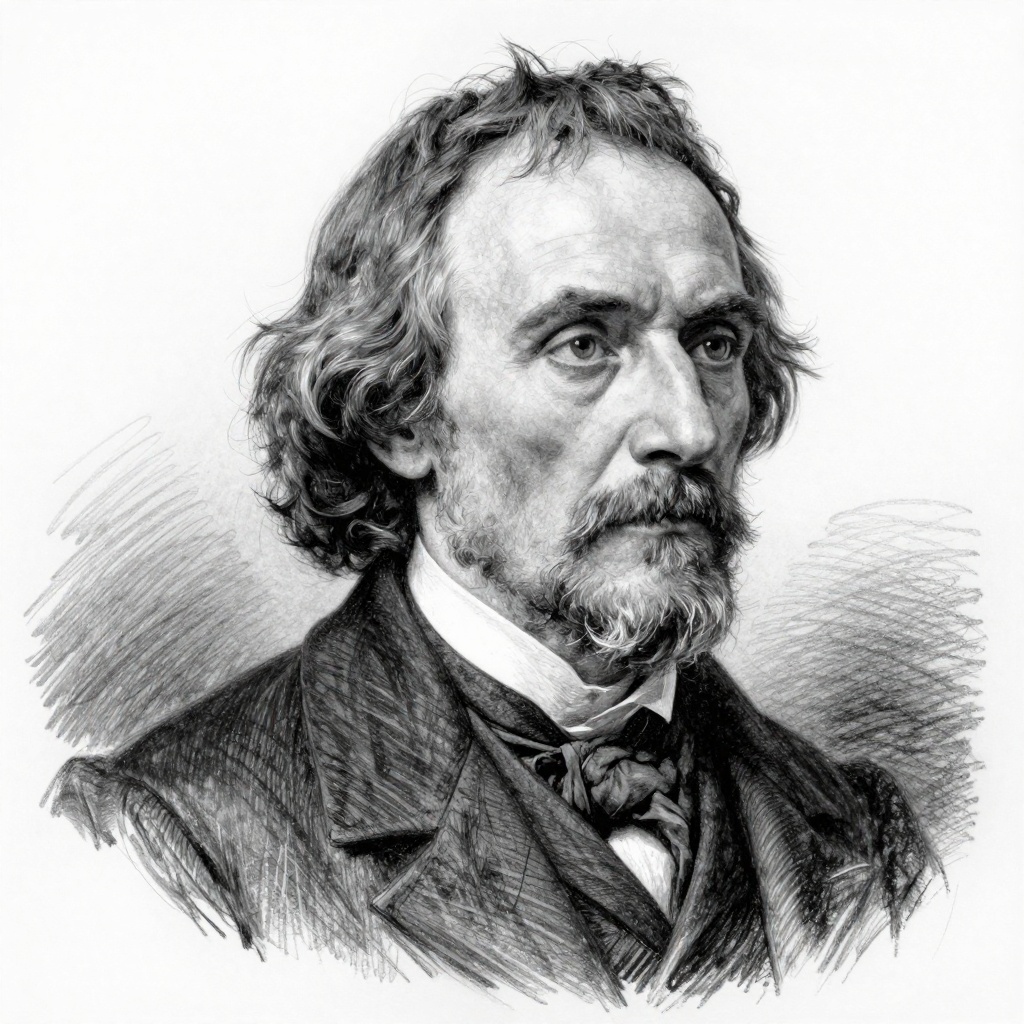
Comments